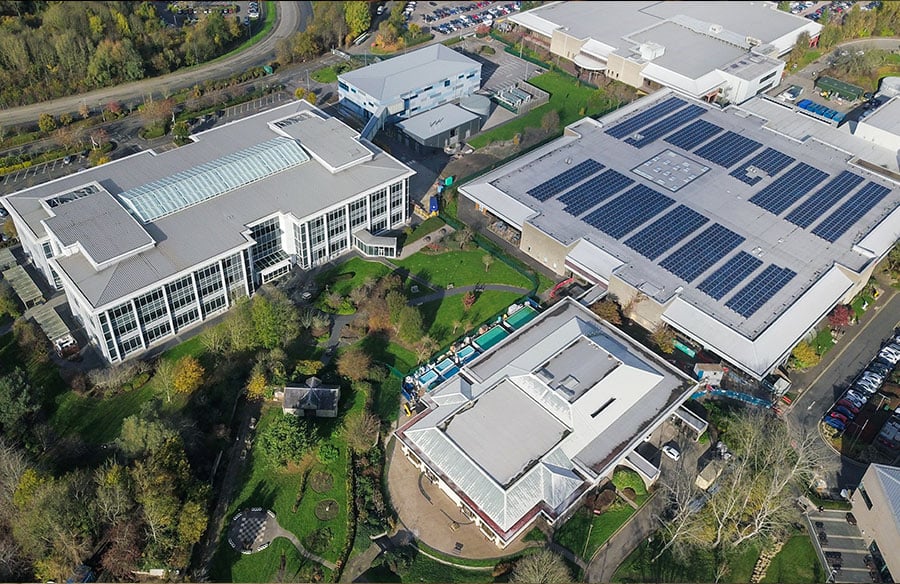
Solar panels are everywhere these days, right? From rooftops to parking lots, they’re popping up as a symbol of sustainability and smart energy use. But here’s the thing: incorporating solar panels into commercial buildings isn’t as straightforward as it might seem. Sure, the idea of free energy from the sun is appealing, but making it work seamlessly with a building’s design? That’s a whole different story. Let’s explore the challenges and how architects are finding ways to tackle them.
Striking the Right Balance Between Looks and Efficiency
Let’s face it—nobody wants a building that looks like it was attacked by a random patch of solar panels. Aesthetics matter, especially when it comes to commercial spaces. The challenge is figuring out how to install panels in a way that doesn’t mess with the building’s vibe. Should they blend in with the structure? Or maybe stand out as a bold design statement?
Now add in the need for maximum sun exposure. Panels work best when they’re angled just right and free from shade. Finding that sweet spot, where form meets function, is a tricky puzzle architects have to solve.
Can the Structure Handle It?
Here’s something most people don’t think about: solar panels are heavy. Not skyscraper-heavy, but enough to make engineers do a double take. Roofs and walls must be strong enough to support them without buckling under the extra weight.
It’s a whole different ballgame when retrofitting older buildings. Do you reinforce the roof? Find creative ways to distribute the weight? Or just scrap the idea altogether? For new constructions, it’s a bit easier since you can plan for the load from the get-go. But either way, it’s a lot more complicated than just slapping panels on top and calling it a day.
Location, Location, Location
Ever noticed how some buildings seem to have all the sunshine, while others are stuck in the shade? The location of a building can make or break its solar potential. In crowded urban areas, tall buildings and trees can cast shadows that ruin solar panel efficiency.
Architects have to get creative. Instead of sticking to traditional rooftop setups, they’re exploring vertical installations, solar canopies over parking lots, and even innovative designs that make use of unconventional spaces. Thinking outside the box—literally—can go a long way in overcoming these hurdles.
Fitting Into the Bigger Picture
Solar panels can’t just sit there doing their thing. They have to work hand-in-hand with the building’s other systems. How do they integrate with HVAC systems, electrical grids, and insulation?
Energy flow and storage are also part of the equation. Commercial solar energy storage systems, in particular, play a huge role in making these setups efficient. They ensure the building has a reliable energy supply even when the sun isn’t shining or when there’s surplus energy to save for later. Incorporating these systems adds another layer of complexity for architects and engineers.
The Rules of the Game
You might think installing solar panels is a no-brainer, but regulations and zoning laws can complicate things. Building codes often dictate everything from the materials you can use to how panels need to be mounted. In some areas, high wind zones require panels to withstand extreme weather, while fire safety standards might restrict certain installations altogether.
Navigating these rules can feel like jumping through hoops. Architects have to balance creativity with compliance, all while keeping the project timeline in check.
Is It Worth the Cost?
Let’s talk about money. Installing solar panels is a big investment, and convincing stakeholders it’s worth it isn’t always easy. Sure, there are long-term savings on energy bills, but the upfront costs can feel daunting.
And then there’s the return on investment (ROI). Will the panels generate enough energy to offset their cost? For retrofits, it can take years to break even. For new builds, the math can be a bit friendlier. Either way, it’s a numbers game that requires careful planning.
Keeping Things Running Smoothly
Even after panels are installed, the work isn’t over. They need to be maintained—cleaned, inspected, and sometimes repaired. Dust, debris, and even bird droppings can lower their efficiency.
Then there’s the question of longevity. What happens when panels age or wear out? The challenge is designing systems that are easy to maintain and replace without disrupting the building’s operations.
Looking Ahead
Despite these challenges, solar panels are here to stay. They’re not just a trend—they’re a crucial part of making commercial buildings more sustainable. While the road to integration isn’t always smooth, every challenge is an opportunity to innovate and push the boundaries of what’s possible.
So next time you see a solar-powered building, take a moment to appreciate the thought and effort that went into it. Because behind those shiny panels is a team of architects, engineers, and designers who overcame countless hurdles to make it happen. Isn’t that pretty amazing?