

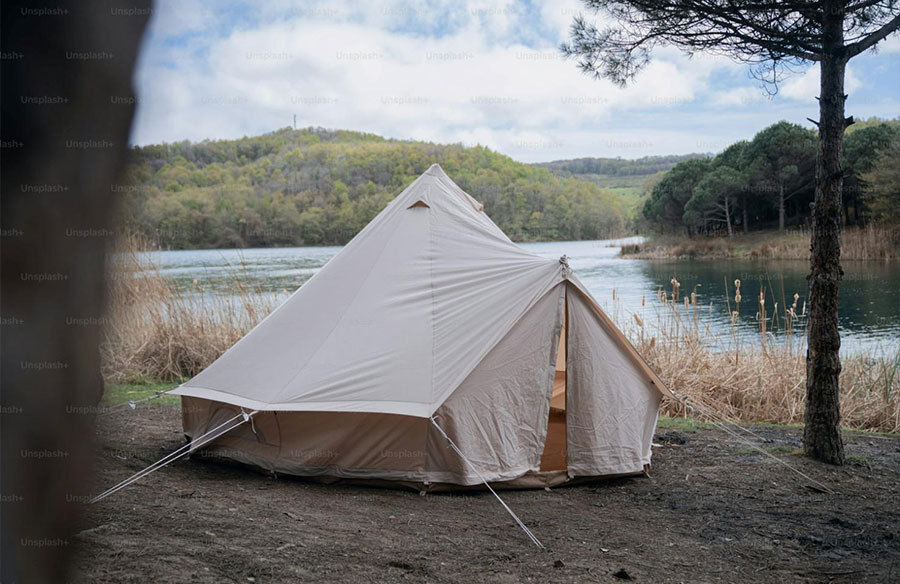
Camping is a fun, exciting, and rewarding outdoor activity that allows people to escape the hustle and bustle of modern business life and reconnect with nature. Camping is a great compromise between a classic backpacking trip and a regular hotel with all the amenities. On the one hand, you spend your free time in a breathtaking natural environment, and on the other hand, you get minimal service for a reasonable price. Whether you are a seasoned adventurer or a beginner, spending time outdoors, breathing fresh air, and experiencing nature up close are all incredibly relaxing. It is important to plan and prepare in advance to make your camping trip as enjoyable as possible. In this article, you will learn basic tips for your next camping trip, from choosing the right equipment to setting up a campsite and dealing with unexpected difficulties that may arise.
Choosing the right campsite. Where to stay?
The first key step in planning a successful vacation is choosing the right campsite. Depending on your location, you can choose between national parks, forests, lake shores, or even remote villages. When choosing a campsite, it is important to choose a quality tent. 1 person 4-season tent is an excellent choice for those who vacation alone. These tents are designed to withstand extreme weather conditions, making them suitable for use all year round. Unlike 3-season tents designed for warm climates, 4-season tents are built to withstand wind, rain, snow, and even frost. Their durable material and reinforced construction make them ideal for winter camping and unexpected situations. In addition to the tent, when choosing a campsite, consider the following important aspects:
- There must be a source of drinking water near your tent, which will allow you to drink and cook food. However, always pitch your tent a short distance from the water to avoid disturbing local wildlife. Also, always have a supply of drinking water in your tent in case of various unexpected situations;
- To pitch your tent, find a flat, dry place that is protected from the wind. Avoid low spots where water can collect during rain. Places with natural windbreaks, such as trees or rocks, can protect you from strong winds;
- A good camping spot should have a balance between sun and shade. Places with too much sun can be unbearably hot, while places with constant shade can be cool in the mornings and evenings;
- Consider the presence of wildlife in the area. Watch out for animals such as bears or snakes, and store food in airtight containers. Also, be prepared for insects, especially mosquitoes and ticks, and wear insect repellent and long-sleeved clothing;
- Choose a camping site that is easy to get to, especially if you are new to camping or want to bring a lot of extra gear or clothing. Also, make sure that the campsite is located a short distance from major roads to avoid unnecessary noise and traffic, but at the same time, the campsite location should be close enough to populated areas so that in case of any emergency, you can quickly get all the necessary help.
Choosing the right, high-quality camping equipment
After choosing a camping site, the next key step is to collect the entire necessary range of camping equipment. It is important to choose the camping equipment that meets your current needs, climate, and terrain. A tent is the most important camping equipment that we can take with us. A tent should reliably protect you from the elements and protect you from wildlife. Tents come in a wide variety of shapes, sizes, and materials, each suited to different types of camping. Investing in a quality 4-season tent will provide you with a comfortable and safe shelter, no matter where you are in the wilderness. When choosing a tent, consider its weight, size, and ease of setup. A lightweight tent is essential for travel, while a larger tent can be useful for car camping.
Camping Cookware
Food is an integral part of any camping trip, and cooking over an open fire or a portable stove can be an enjoyable experience. When choosing your cooking equipment, consider the length of your trip, the size of your group, and the type of food you plan to cook. A small portable stove is ideal for boiling water and cooking simple meals. You’ll also need a lightweight set of cookware, pots, and pans. If you’re using a gas stove, don’t forget to bring fuel.
Camping Clothing and Shoes
The clothing you wear while camping can greatly increase your comfort and safety. It’s important to dress in layers, especially on cold days. Layering allows your clothing to adapt to changes in temperature, keeping you warm and dry. When choosing clothing, look for materials that wick moisture, such as quick-drying wool or synthetics. Avoid cotton, as it traps moisture and can be cold. Bring a waterproof jacket and good hiking boots to comfortably explore the rugged trails.
Camping Tips
Now that you have all the gear you need, it’s time to set up camp. A few simple tips will make the process easier and more efficient, and ensure a stress-free start to your camping adventure. When pitching your tent, choose a flat, level spot away from rocks. Many modern tents come with a rainfly to protect you from rain and wind. Once you’ve set up your tent, organize your gear to make camping even more enjoyable. Create separate areas for your cooking utensils, food, and personal items. This way, you can quickly find what you need without rummaging through your entire bag.
Building a campfire is one of the most fun parts of camping, but it’s important to pay attention to fire safety. Always build a fire in a designated pit or area that is free of branches and dry grass. Keep the fire low and never leave it unattended. If open fires are prohibited in your area, you can still enjoy a campfire using a portable camping stove or torch.
You may encounter unexpected challenges, it is important to always be on the safe side. Camping is generally safe, but outdoor activities are always risky. Make sure you have a first aid kit, map, compass, or GPS. Keep an eye on the weather forecast as conditions can change quickly. In case of an emergency, it is important to know the basics of wilderness first aid and have a clear evacuation plan. Always let someone know your route before you go, bring power banks, and charge your mobile phones to 100%.
Summary
Camping is a fun, rewarding activity that allows you to disconnect from the modern world and enjoy the peace of nature. With the right equipment, planning, and precautions, your camping trip can be an unforgettable experience. For all your camping needs, you can count on high-quality equipment from RBM Outdoors to make your vacation experience even more positive and enjoyable. Visit their website, discover a wide range of camping products, and get ready for your next exciting adventure.







