

In recent years, cities worldwide have been transitioning toward becoming “smart cities.” These urban spaces use technology and data to improve quality of life, enhance sustainability, and optimize resources.
Among the many tools and innovations driving this transformation, one particularly useful and often overlooked tool is the QR code generator.
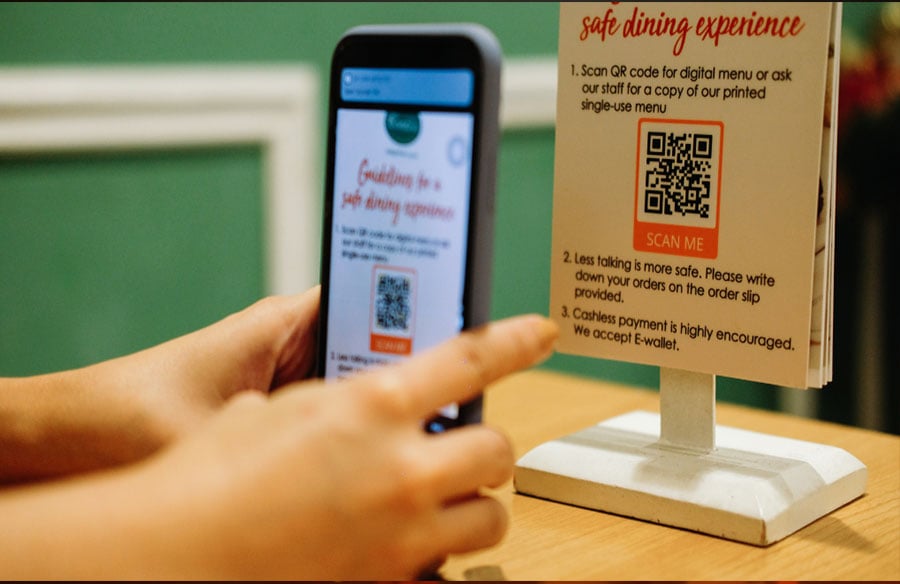
QR codes, or Quick Response codes, have become an essential part of modern life, appearing everywhere from product packaging to digital marketing campaigns.
However, their potential goes far beyond these conventional uses. When leveraged strategically, QR codes can play a crucial role in building sustainable, smart cities.
The Rise of Smart Cities and Sustainability
A smart city is one that uses digital technology to enhance the performance and well-being of its citizens. Smart cities aim to integrate various information and communication technologies (ICT) to manage assets and resources more efficiently.
This includes everything from transportation networks, water supply, and energy systems to waste management and environmental monitoring.
One of the critical challenges in developing smart cities is achieving sustainability.
Sustainable urban development involves creating urban spaces that can support the needs of present generations without compromising the ability of future generations to meet their needs.
It encompasses a wide range of objectives, such as reducing carbon emissions, minimizing waste, promoting energy efficiency, and ensuring equitable access to resources.
This is where QR codes come into play. As cities become more technologically advanced, QR codes are emerging as a tool that can contribute to sustainability goals in multiple ways.
With the help of best tools for generating QR codes, urban planners, businesses, and governments can create systems that foster transparency, ease of access, and innovation while also addressing environmental concerns.
QR Codes and Sustainability: A Perfect Match
1. Smart Waste Management
One of the most significant areas where QR codes can contribute to sustainability is in waste management. Waste collection and recycling programs in cities can be optimized using QR codes.
By placing QR codes on waste bins or recycling containers, local governments can track the types and amounts of waste collected. Citizens can use their smartphones to scan these QR codes and get information about proper recycling practices, collection schedules, and even tips for reducing waste.
Through a QR code generator, municipal waste management departments can create a system that encourages participation and compliance while providing real-time data on waste generation patterns.
This data can be used to improve waste collection efficiency and promote better waste management practices, ultimately leading to reduced landfill use and enhanced recycling efforts.
2. Energy Management and Efficiency
Smart cities aim to reduce their energy consumption and move towards renewable sources of energy.
QR codes can help monitor and manage energy consumption in real-time.
For instance, QR codes can be embedded on energy meters or household appliances, giving citizens and building managers access to detailed information about energy usage.
Using a QR code generator, energy providers can create personalized QR codes for consumers that link to their usage data and offer recommendations for reducing energy consumption.
This could include notifications about peak energy hours or suggestions for improving energy efficiency based on historical data.
By enabling consumers to monitor their energy use more closely, QR codes can help reduce wasteful practices and encourage smarter, more sustainable living.
3. Eco-Friendly Transportation
Transportation is a significant contributor to urban carbon emissions. In smart cities, QR codes can play a pivotal role in promoting sustainable transportation options.
For example, QR codes can be used for paperless ticketing on public transport systems, enabling people to quickly and easily access buses, subways, and trams without needing to print paper tickets.
Additionally, QR codes can be used to encourage the use of bike-sharing or car-sharing services. These services often use smartphone apps that integrate with QR codes for a seamless user experience.
By placing QR codes at key locations, such as bike stations or electric vehicle charging points, cities can provide citizens with easy access to eco-friendly transportation options, reducing the need for private car ownership and lowering carbon emissions.
4. Urban Farming and Food Sustainability
As the demand for local and sustainable food increases, urban farming has become an important initiative in many cities.
QR codes can be used in urban farming systems to promote transparency and traceability in food production.
By linking QR codes to specific plants or food items, consumers can learn about where their food comes from, how it was grown, and what practices were used in its production.
Urban farms can use QR code generators to create unique codes for each product, giving consumers the option to scan a code to access detailed information about the farm’s sustainability practices.
This level of transparency can encourage more people to support local and sustainable food systems, reducing the carbon footprint of transporting food long distances and encouraging healthier eating habits.
5. Environmental Monitoring
Sustainability is not just about reducing waste and conserving resources; it’s also about preserving the environment.
Smart cities rely on real-time data to monitor air quality, water quality, noise levels, and other environmental factors.
QR codes can be integrated into sensors and environmental monitoring stations, allowing citizens to instantly access environmental data in their area.
For instance, a QR code generator can be used to create codes placed near air quality sensors that give people access to up-to-date information on pollution levels.
This transparency empowers citizens to make informed decisions about their health and well-being, such as whether to go outside for exercise or if they need to take precautions due to poor air quality.
It also allows local governments and environmental agencies to respond more quickly to environmental issues.
6. Promoting Green Building Practices
In sustainable urban development, green building practices are crucial. QR codes can support these efforts by providing immediate access to information about the materials and design of buildings, their energy efficiency, and the sustainability practices used in their construction.
For example, building owners can use a QR code generator to create codes that link to certifications like LEED (Leadership in Energy and Environmental Design) or to detailed energy performance data.
For prospective tenants or buyers, scanning these QR codes can help them understand how sustainable a building is, which can influence their decision-making process.
By integrating QR codes into green buildings, developers can promote the importance of sustainable architecture and encourage more widespread adoption of energy-efficient and eco-friendly building designs.
7. Waste-Free Events and Public Engagement
Public events in cities, such as festivals, concerts, and markets, often contribute to waste and environmental degradation.
QR codes can be used to minimize waste at these events by providing digital tickets, schedules, and event materials rather than printed versions.
This eliminates paper waste and reduces the carbon footprint of event production.
Additionally, event organizers can use QR code generators to provide information about sustainability efforts at the event, such as waste separation stations, composting programs, and recycling initiatives.
QR codes can also be used for feedback surveys, enabling citizens to share their thoughts on how sustainable the event was and suggesting improvements for future gatherings.
This level of engagement fosters a community-centered approach to sustainability.
The Future of QR Codes in Smart Cities

By offering real-time access to data, promoting sustainable practices, and facilitating communication between citizens and urban services, QR codes can help foster a deeper sense of environmental responsibility.
As technology continues to advance, QR code generators will evolve to support even more innovative solutions.
From integrating with IoT devices to supporting advanced tracking and monitoring systems, QR codes will become even more integral to the smart cities of tomorrow.
By creating a seamless, user-friendly way for citizens to engage with sustainable initiatives, QR codes will empower individuals and communities to take control of their environmental impact.
Conclusion
In the quest for building sustainable, smart cities, QR codes are a powerful and versatile tool that can help make urban living more efficient, environmentally friendly, and connected.
From waste management to energy efficiency, transportation, and urban farming, QR codes can be employed across a wide range of sustainability initiatives.
As cities worldwide strive to meet the challenges of rapid urbanization and environmental degradation, integrating QR codes into the fabric of smart city infrastructure will undoubtedly help unlock the full potential of these urban spaces. In the end, QR codes represent a small but significant step toward building a more sustainable future for our cities and the planet.







