

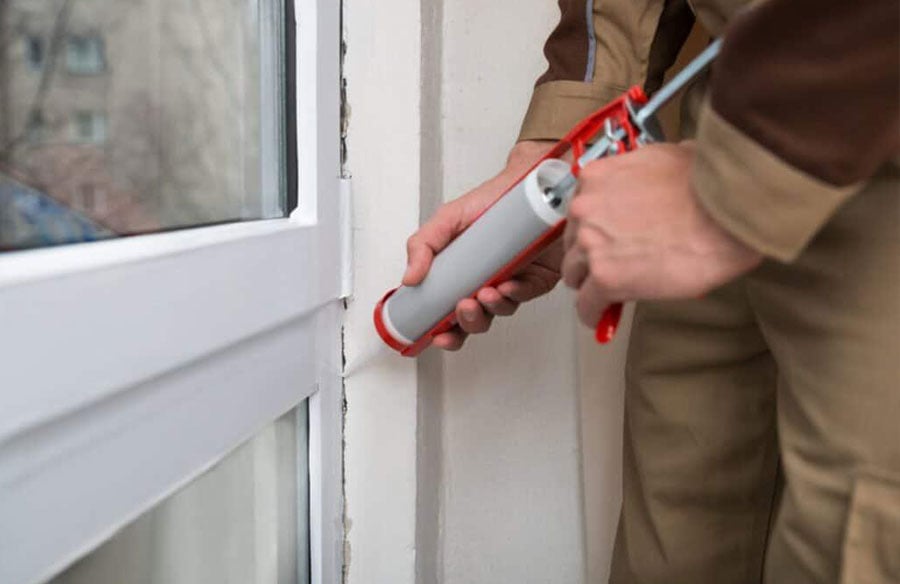
When it comes to keeping your home pest-free, you might think the biggest battle is waged with sprays, traps, or professional exterminators. But let’s not underestimate the power of the humble door and window seal. These often-overlooked components of your home’s structure play a massive role in keeping unwanted guests like insects, rodents, and spiders out where they belong. And most professionals offering pest control in Virginia Beach address these gaps.
If you’ve ever wondered how pests seem to sneak in even when your home is spotless, the answer might be as simple as a gap in your door or a poorly sealed window. Let’s dive into why door and window seals matter so much, how they work, and what you can do to optimize them for ultimate pest prevention.
Why Do Pests Love Gaps in Doors and Windows?
Imagine you’re a pest—a tiny ant, a curious cockroach, or even a field mouse. Your main goal is to find food, shelter, and safety. To you, a gap under a door or a crack in a window frame looks like a golden ticket to paradise.
Here’s why those gaps are so attractive to pests:
1. Easy Access
Small gaps are easy for pests to squeeze through. For example, mice can fit through a hole as small as a dime, while cockroaches only need a sliver to slide in.
2. Temperature Control
Pests are drawn to comfortable environments. In the winter, the warmth escaping through a poorly sealed door can be a beacon for cold critters looking for shelter.
3. Food and Water Sources
Homes are treasure troves of crumbs, pantry items, and water leaks. Even the tiniest crack can be an open invitation for pests to come and explore.
What Are Door and Window Seals?
Door and window seals, also known as weatherstripping, are materials designed to fill gaps around doors and windows. Their primary function is to prevent air leakage, which helps with energy efficiency. However, they serve a dual purpose by acting as a physical barrier to pests.
Common types of seals include:
- Adhesive Foam Strips: Flexible and easy to install, these strips stick to door and window frames to block gaps.
- Rubber Weatherstripping: Durable and effective, rubber seals are great for areas with frequent use.
- Door Sweeps: Installed along the bottom edge of doors, these prevent pests from sneaking in underneath.
- Brush Strips: Commonly used in garages, these have bristles that deter pests while allowing for airflow.
How Door and Window Seals Prevent Pests?
Effective sealing acts as a first line of defense in pest prevention. Here’s how:
1. Block Entry Points
Seals close the gaps that pests use to enter your home. Without an easy entry point, most pests won’t even bother trying.
2. Disrupt Scent Trails
Ants, for example, follow scent trails left by their colony members. A well-sealed door or window blocks these trails, making it harder for them to navigate into your home.
3. Minimize Attractants
By preventing air leaks, seals also keep smells—like food or garbage—from wafting outside and attracting pests.
4. Control Humidity
Gaps in windows and doors can allow moisture to seep in, creating the damp environments that pests like silverfish and cockroaches thrive in. Proper sealing keeps these areas dry.
Signs Your Seals Need Attention
Not sure if your door and window seals are doing their job? Look out for these telltale signs:
- Visible Gaps: If you can see daylight around your door or window frames, pests can definitely get in.
- Drafts: Feeling a breeze near closed doors or windows? That’s a sign of a poor seal.
- Pest Activity: Finding droppings, chew marks, or even live pests near doors and windows suggests an easy entry point.
- Wear and Tear: Over time, seals can crack, shrink, or wear down, reducing their effectiveness.
Upgrading Your Door and Window Seals: A Step-by-Step Guide
Ready to reinforce your home’s pest defenses? Here’s how to upgrade your seals:
1. Inspect Your Current Seals
Walk around your home and check every door and window for gaps, cracks, or worn-out seals.
2. Choose the Right Material
Select seals based on your specific needs. For heavy-duty doors, consider rubber or metal options. For windows, foam or adhesive strips may suffice.
3. Measure and Cut
Take accurate measurements of the gaps you need to fill. Cut the seal material to size to ensure a snug fit.
4. Install with Care
Follow the manufacturer’s instructions for installation. Adhesive seals should be applied to clean, dry surfaces. Screw-in options may require a drill.
5. Test the Seal
Close the door or window and check for drafts or light leaks. Adjust as needed to ensure complete coverage.
Benefits Beyond Pest Prevention
While keeping pests out is a major win, upgrading your door and window seals comes with additional perks:
- Energy Efficiency: Proper sealing reduces heating and cooling costs by minimizing air leaks.
- Noise Reduction: Seals block out external noise, creating a quieter indoor environment.
- Improved Comfort: With fewer drafts, your home will feel cozier year-round.
When to Call the Experts
DIY sealing is often enough to keep pests at bay, but there are times when professional pest control Virginia Beach VA help is necessary:
- Severe Infestations: If pests are already inside, sealing won’t solve the problem—you’ll need extermination services first.
- Structural Damage: Cracked foundations or warped frames may require professional repairs before seals can be installed.
Conclusion: Small Changes, Big Impact
Door and window seals might seem like a minor detail, but they play a huge role in protecting your home from pests. By taking the time to inspect, upgrade, and maintain these seals, you’re not only keeping pests out but also improving your home’s energy efficiency and comfort.
So, next time you spot a drafty window or a gap under your door, don’t wait. Grab some weatherstripping and take action. Your pest-free, energy-efficient home will thank you!







