

The architectural landscape is continuously evolving, and one often overlooked element speaks volumes about design philosophy: the fence. Far from being a mere property demarcation, modern fencing represents a sophisticated intersection of functionality, aesthetics, and technological innovation.
Materials: The Foundation of Architectural Expression
Contemporary fence design transcends traditional expectations. Architects and property owners now view fencing as an integral design element, not just a peripheral feature. Take aluminum fencing, for instance. Its versatility allows for remarkable design flexibility.
Regional experts like Local Choice Fence confirm that aluminum systems offer remarkable adaptability, creating clean lines that complement modern architectural styles. These aren’t just barriers; they’re architectural extensions that can dramatically transform a property’s visual narrative.
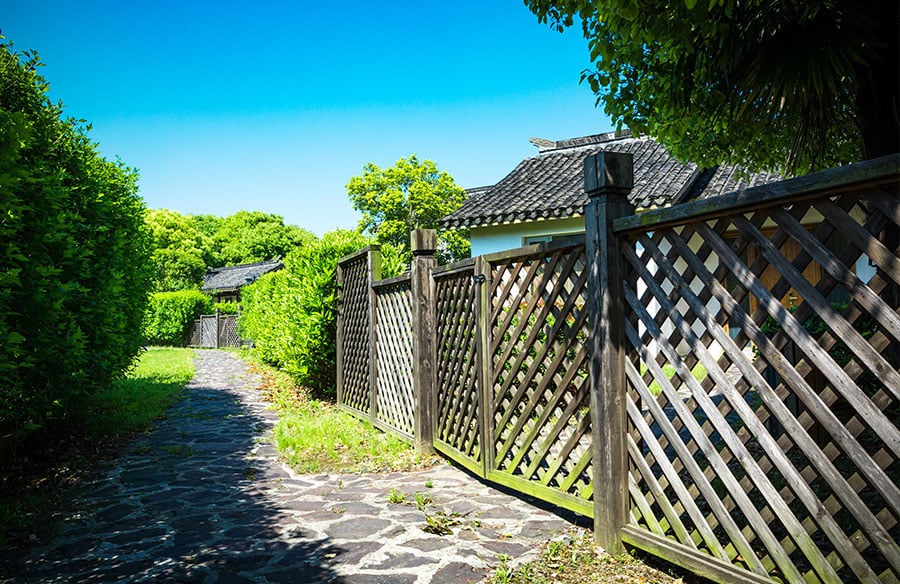
Wooden fencing continues to offer unique design opportunities as well. Cedar provides natural durability and aesthetic warmth. Its organic texture can bridge contemporary and traditional design languages, offering a timeless quality that resonates with various architectural approaches.
Architectural Symbiosis: Design Principles in Practice
Different architectural styles demand nuanced fencing approaches:
- Mid-century modern homes typically benefit from horizontal slat designs
- Victorian properties often require more intricate, vertical configurations
- Contemporary spaces might utilize mixed-material solutions
Technical Considerations in Fence Design
Beyond aesthetic considerations, professional designers must evaluate:
- Wind resistance parameters
- Local building code compliance
- Privacy requirements
- Material performance in specific environmental conditions
Coastal regions, for instance, require material selections that are different from those of inland environments. Powder-coated metals and composite materials offer superior performance in challenging climatic conditions.
Economic and Design Value
A strategically designed fence represents more than a visual element. Industry data suggests quality fencing can increase property value significantly, transforming what many consider a peripheral investment into a significant architectural asset.
Emerging Trends in Fence Design
The future of architectural fencing is marked by:
- Sustainable material innovations
- Integrated smart technologies
- Modular, adaptable design systems
Sustainability has become a driving force in material innovation. Manufacturers are developing fence components using recycled composites, exploring carbon-neutral production methods, and creating materials with extended lifecycle capabilities. The goal extends beyond simple environmental responsibility—these innovations are fundamentally reimagining how boundary systems interact with their surrounding environments.
Practical Measurements and Specifications
Architectural precision transforms fence design from a mere functional requirement into an art form. Professional installers must navigate a complex landscape of technical considerations that extend far beyond simple height and material selection. Municipal regulations, environmental conditions, and structural integrity all play critical roles in determining a fence’s ultimate design and effectiveness.
Post-placement and depth become crucial mathematical considerations. The relationship between post spacing, ground composition, and anticipated environmental stress determines not just the fence’s immediate appearance, but its long-term durability and performance. Designers must calculate wind load, understand soil composition, and anticipate potential environmental stressors that might compromise structural integrity.
A Design Philosophy
Fencing is no longer a peripheral architectural element. It represents a critical interface between private space and public landscape, a design opportunity that demands a thoughtful, integrated approach.
The most successful fence designs don’t just define boundaries—they tell stories, enhance architectural narratives, and create seamless transitions between built environments and natural landscapes.
Designers understand that a fence is more than a physical barrier. It’s a canvas that reflects architectural intent, a subtle yet powerful element that can elevate or diminish the overall aesthetic of a property. Whether sleek and minimalist or warmly traditional, the right fence becomes an intentional extension of architectural vision.







