

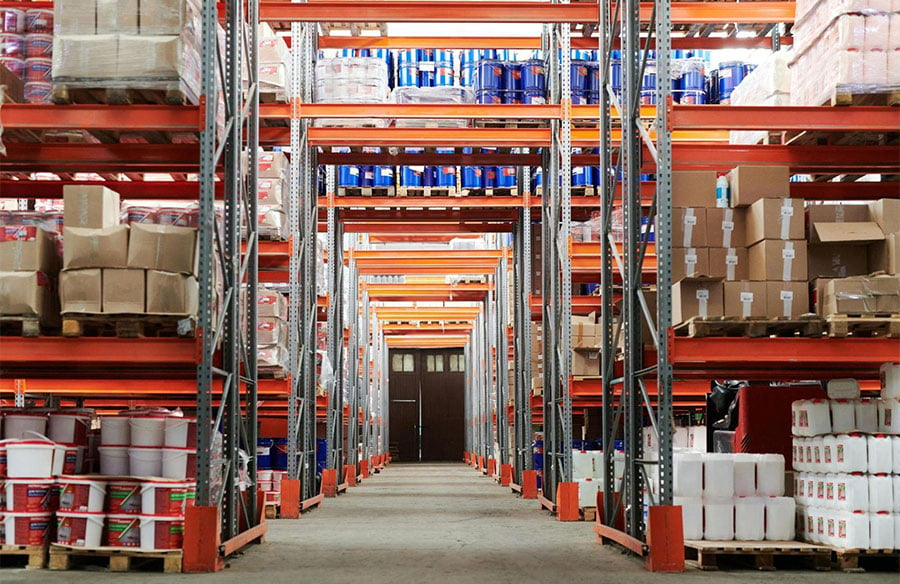
Warehousing plays a crucial role in many industries, from logistics and retail to manufacturing. However, space inefficiencies can increase operational costs significantly. Research from the Warehouse Education and Research Council (WERC) shows that poor space utilization can reduce warehouse capacity by as much as 30%.
In cities like Houston, a major hub for commerce due to its proximity to ports and transportation networks, optimizing warehouse space is critical to maintaining operational efficiency and staying competitive. Businesses operating in such high-demand markets must adopt smart strategies to make the most of their storage spaces.
Here’s a guide to help you optimize your warehouse space effectively.
1. Expand Your Storage Options
Maximizing warehouse space begins with exploring creative storage solutions. Mobile shelving systems are an excellent option for dynamic inventory needs. These systems allow you to move shelving units closer together when not in use, significantly reducing wasted space. For warehouses with high ceilings, mezzanine levels are a cost-effective way to create additional storage space without expanding the building’s footprint.
Another versatile solution is shipping containers. These durable, weather-resistant units are ideal for businesses managing seasonal inventory or requiring temporary storage. They can be placed on-site and repurposed as secure storage units or even modular workspaces. If you’re looking for shipping containers for sale Houston offers a wide range of options for both residential and commercial use, including new, used, and refurbished containers to suit various needs, from storage solutions to construction projects.
These containers are readily available and provide a flexible way to handle inventory without making permanent changes to your warehouse.
2. Use Vertical Space Effectively
Vertical space is often underutilized in warehouses, especially in facilities with high ceilings. Installing high-density shelving or pallet racking systems can help you maximize the available height. These systems not only increase storage capacity but also enhance organization by allowing you to categorize inventory more efficiently and retrieve items more quickly.
When utilizing vertical storage, safety should always remain a priority. Invest in durable, high-quality shelving that can handle heavy loads, and implement essential safety measures such as rack guards, load weight indicators, and proper anchoring. Equip your warehouse with tools like forklifts or automated lift systems to make accessing high shelves both easier and safer for employees. Additionally, schedule regular inspections to ensure these storage systems remain stable, secure, and compliant with safety standards.
3. Implement an Inventory Management System
An organized inventory system is the backbone of an efficient warehouse. Without one, it’s easy for stock to become misplaced, leading to wasted time and resources. Modern inventory management systems (IMS) allow businesses to track inventory levels, locations, and movements in real time, significantly improving efficiency.
Organize your inventory strategically by placing high-demand items in easily accessible areas and storing less frequently used items in harder-to-reach spaces. This method, known as demand-based slotting, minimizes the time spent retrieving items. Regular inventory audits are also essential to identify obsolete or slow-moving stock. Removing these items frees up space for more valuable products.
4. Create Functional Zones for Better Workflow
Dividing your warehouse into functional zones can streamline operations and improve productivity. For instance, designate specific areas for receiving, storage, packing, and shipping. This zoning ensures that items flow logically through the warehouse, reducing unnecessary movement and confusion while allowing employees to focus on specific tasks.
Label each zone clearly to guide workers and minimize errors. For example, the receiving area should be near the warehouse entrance to reduce the distance goods need to travel, while the shipping zone should be close to the loading docks for quicker dispatch. Consider adding a staging area where outgoing shipments can be organized and prepared. This simple addition can prevent bottlenecks, improve organization, and speed up the packing and loading processes.
5. Optimize Aisle and Pathway Design
Aisles and pathways are essential for smooth warehouse operations, but they can also consume a significant amount of space. To strike the right balance, ensure aisles are wide enough for forklifts and other equipment to move safely but narrow enough to maximize storage capacity. Incorporating narrow-aisle forklifts can help you make the most of tighter spaces while maintaining operational efficiency and safety.
Keeping pathways clear is equally important. Cluttered aisles can slow down operations, increase retrieval times, and pose significant safety risks to workers. Establish clear rules for maintaining obstruction-free pathways and conduct regular housekeeping checks to enforce these standards. A well-organized aisle system not only improves efficiency and navigation but also creates a safer and more productive work environment for employees.
6. Train Employees on Efficient Practices
Even the best-designed warehouse layout won’t deliver results without a well-trained workforce. Employees play a crucial role in maintaining efficiency, so it’s essential to provide them with proper training on storage methods, equipment usage, and inventory handling.
Encourage a culture of organization and cleanliness by implementing a “clean-as-you-go” policy. Workers should be trained to store items properly and return tools or equipment to their designated locations. Additionally, involve employees in process reviews and solicit their feedback. Their hands-on experience often reveals inefficiencies or opportunities for improvement that management might overlook.
7. Continuously Monitor and Improve
Warehouse optimization is not a one-time effort. As your business evolves, so will your storage needs. Regularly monitor your warehouse’s performance using analytics tools to track storage utilization, workflow efficiency, and bottlenecks. Many modern inventory management systems come with reporting features that provide valuable insights into these metrics.
Experiment with small changes to your layout or processes to identify what works best. For example, moving high-demand inventory closer to packing areas can save significant time. Stay informed about industry trends and advancements in storage solutions, such as automated retrieval systems or smart shelving, to ensure your warehouse remains competitive.
Efficient warehouse management is important for any business aiming to reduce costs and improve productivity. From exploring storage options to implementing inventory systems and training staff, there are numerous ways to optimize your space. By continuously monitoring and improving your warehouse operations, you can create a streamlined, efficient space that supports your business’s growth and success.







