

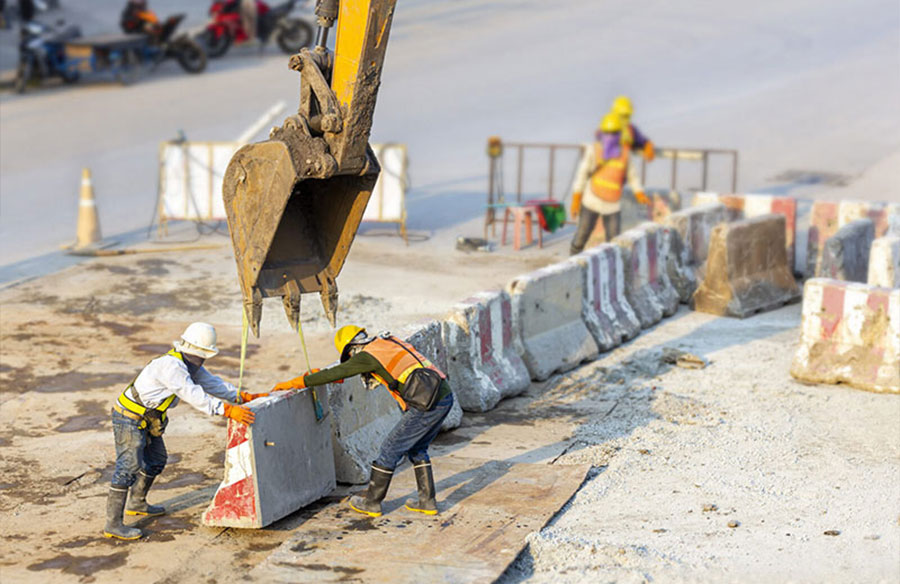
Concrete barriers play a crucial role in enhancing workplace safety within construction zones. These robust structures create a physical separation between active work areas and traffic, significantly reducing the risk of accidents and injuries. Concrete barriers effectively protect workers from errant vehicles, absorb impacts, and redirect traffic away from construction sites.
Implementing concrete barriers in construction zones offers multiple benefits. They provide a clear visual demarcation of work areas, helping to manage traffic flow and prevent unauthorized entry. The durability of concrete allows these barriers to withstand severe weather conditions and repeated impacts, making them a reliable long-term safety solution.
Concrete barriers for commercial use extend beyond road construction to various industries where site safety is paramount. Their versatility and strength make them ideal for crowd control, perimeter security, and protection against potential threats. By creating safe work environments, concrete barriers contribute to increased productivity and peace of mind for both workers and project managers.
Key Takeaways
- Concrete barriers create a physical barrier between construction zones and traffic, reducing accident risks
- Strategic placement of barriers enhances traffic management and work zone safety
- Versatile concrete barriers offer protection in various commercial and industrial settings
Essential Role of Concrete Barriers in Construction Zone Safety
Concrete barriers are critical safety elements in construction zones, providing robust protection for workers and motorists alike. They effectively separate work areas from traffic, minimize accidents, and control vehicle movement.
Understanding the Purpose and Functionality of Concrete Barriers
Concrete barriers serve as physical dividers between active construction sites and traffic lanes. These sturdy structures absorb impact energy, redirecting vehicles away from work zones. Their design allows for quick installation and removal as construction progresses.
Jersey barriers, a common type of concrete barrier, feature a distinctive shape that helps limit vehicle damage during collisions. The sloped lower portion reduces the risk of vehicles climbing or vaulting over the barrier.
Concrete barriers also aid in managing traffic flow. They create clear demarcation lines, guiding vehicles through modified road layouts. This helps maintain smooth traffic movement even in areas with reduced lane width or altered routes.
Types of Safety Barriers
Several types of concrete barriers are used in construction zones:
- Temporary barriers: Easily movable, used for short-term projects
- Permanent barriers: Fixed installations for long-term protection
- Portable barriers: Pre-cast units that can be quickly deployed
Barriers come in various heights and designs to suit different needs. Some feature integrated drainage systems or noise-reduction capabilities.
Water-filled plastic barriers offer a lightweight alternative for low-speed areas. However, concrete remains the preferred choice for high-traffic, high-speed zones due to its superior strength and durability.
Regulatory Standards for Barrier Implementation
Concrete barriers in construction zones must meet strict safety standards. In the United States, the National Cooperative Highway Research Program (NCHRP) 350 guidelines have long been the benchmark for barrier performance.
Recently, the Manual for Assessing Safety Hardware (MASH) has updated these standards. MASH criteria ensure barriers can withstand impacts from larger, heavier vehicles common on today’s roads.
Key regulatory considerations include:
- Minimum barrier height requirements
- Impact resistance specifications
- Proper barrier placement and end treatments
- Visibility enhancements (reflectors, markings)
Compliance with these standards is crucial for maximizing worker and motorist safety in construction zones. Proper implementation helps reduce accidents, injuries, and fatalities associated with road work areas.
Strategic Implementation and Best Practices
Concrete barriers require careful planning and ongoing management to maximize their effectiveness in construction zones. Proper placement, traffic flow assessment, and regular maintenance are critical components of a successful barrier strategy.
Proper Placement and Installation Techniques
Correct positioning of concrete barriers is crucial for optimal protection. Barriers should be placed to create a clear separation between work areas and traffic lanes. A minimum deflection space of 2 feet between the barrier and work zone is recommended. Barriers must be connected securely using approved connection methods to form a continuous system.
Installation should follow manufacturer guidelines and industry standards. Proper anchoring techniques, such as pinning barriers to the ground or using weighted systems, enhance stability. Tapered end treatments or crash cushions are essential at barrier beginnings and ends to reduce impact severity.
Assessing and Managing Traffic Conditions with Barriers
Traffic analysis is vital when implementing concrete barriers. Factors to consider include vehicle speeds, traffic volume, and road geometry. Temporary barriers may be warranted on high-speed roads or in areas with limited sight distance.
The Roadside Safety Analysis Program (RSAP) can help determine optimal barrier placement. This tool evaluates the cost-effectiveness of different barrier configurations based on site-specific data.
Barrier placement should accommodate safe merging areas and maintain adequate lane widths. Clear signage and pavement markings guide drivers through modified traffic patterns. Regular monitoring of traffic flow allows for adjustments as needed.
Maintenance and Regular Inspections for Barrier Integrity
Routine inspections are critical to ensure barrier effectiveness. Weekly visual checks should look for signs of damage, displacement, or deterioration. Any cracks, chips, or misalignments must be addressed promptly.
Cleaning barriers regularly improves visibility and reflectivity. Repainting or replacing reflective elements enhances nighttime visibility. After any vehicle impacts, barriers should be thoroughly examined and realigned if necessary.
Detailed inspection records help track barrier conditions over time. This data can inform maintenance schedules and replacement decisions. Proper maintenance extends barrier lifespan and maintains safety performance throughout the construction project duration.
Conclusion
Concrete barriers play a vital role in enhancing workplace safety in construction zones. They provide robust physical protection, effectively separating work areas from traffic and potential hazards. These sturdy structures help prevent accidents, reduce injuries, and create a safer environment for both workers and the public. By implementing concrete barriers, construction sites can significantly improve their safety standards and operational efficiency.







