
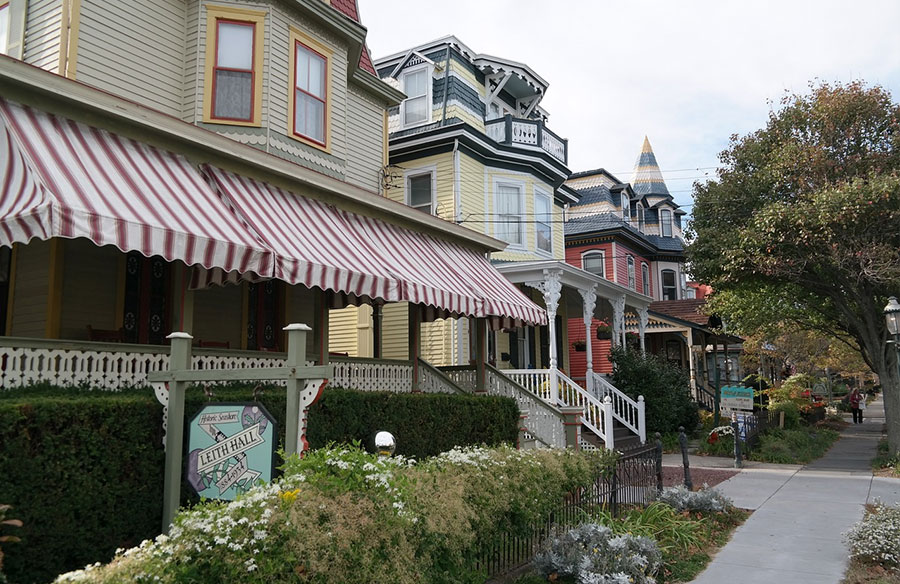
Awnings and canopies are more than functional features. They add character, enhance usability, and protect against the elements. When designed thoughtfully, they can complement a building’s style, preserve its historical charm, and improve its overall appeal.
This guide provides practical design guidelines for awnings and canopies, focusing on both historical accuracy and modern functionality. Whether you’re restoring a historic structure or designing something new, these tips will ensure your project meets both aesthetic and practical needs.
Balancing Tradition and Modernity in Awning Design
Maintaining historical integrity is essential when designing awnings and canopies. This is especially crucial for buildings with architectural significance.
Designs should respect the structure’s original character to blend seamlessly with its historical features. That means you need to:
- Use materials and styles that align with the building’s era.
- Avoid designs that obscure or damage significant architectural details.
- Ensure proportions and colors complement the existing facade.
That said, there’s still room for creativity while honoring tradition. Modern interpretations of historical awning and canopy designs are encouraged as long as they remain compatible with the building’s style and purpose. This balance preserves the charm of the past while accommodating contemporary needs.
Design Guidelines for Awnings
Awnings are integral to both form and function, providing shade, enhancing aesthetics, and protecting building interiors. Thoughtful design ensures they fit seamlessly with the structure’s style while serving practical purposes. These guidelines help maintain compatibility, proportions, and durability in awning design.
Material and Construction
Selecting the right materials and construction methods is essential for ensuring the durability and style of commercial awnings. The materials should complement the building’s design, provide weather resistance, and maintain a sleek appearance.
Here are a few things to consider:
- Choose durable fabrics or materials that resist fading and wear.
- Opt for operable awnings on historic or multi-functional buildings.
- Select colors that align with the facade’s palette. Solid colors or muted stripes are ideal.
- Avoid odd shapes like bullnose or bubble awnings on traditional structures.
Using appropriate materials not only ensures longevity but also enhances the awning’s integration with the building’s design, whether it’s historic or modern.
Proportional Fit
Awnings should be designed to fit the dimensions of the windows or storefronts they cover.
As a rule of thumb, the width of the awning should match or slightly exceed the window frame, typically extending 6 to 12 inches beyond each side for proper coverage. The height of the awning should allow for a minimum clearance of 7 feet above sidewalks or walkways to ensure usability and safety.
For example, a 4-foot-wide window might require a 4.5 to 5-foot-wide awning. A larger storefront measuring 10 feet wide could accommodate an awning of 11 to 12 feet for balanced proportions. These measurements ensure the awning is visually aligned and provides adequate coverage without overwhelming the building’s facade.
Mounting and Placement
Awnings should be mounted to accentuate character-defining features such as moldings or decorative trims. They must avoid obscuring or damaging key architectural details.
Careful mounting not only preserves the building’s aesthetic but also ensures the awning’s stability and longevity. Properly placed awnings contribute to both visual appeal and functional effectiveness.
Illuminating Awnings and Canopies
Lighting can add both functionality and ambiance to awnings, but it must be used thoughtfully. Overly bright or exposed lights can detract from the structure’s elegance.
Follow these tips to ensure effective lighting:
- Avoid internal illumination within the awning fabric.
- Conceal lights on the underside for a clean, unobtrusive look.
- Use low-wattage or shielded lights to create a subtle glow.
- Illumination that enhances sidewalk visibility is encouraged.
- Rope lights or similar decorative lighting should be limited to seasonal use.
Adhering to these principles makes sure lighting enhances the awning’s utility and aesthetics without overpowering its design. That thoughtful illumination creates a welcoming and polished atmosphere.
Maintenance Guidelines

Maintenance Guidelines for Fabric Awnings
Fabric awnings are often made from acrylic, polyester, or canvas. Regular cleaning prevents dirt, mold, and mildew buildup.
Start by spraying water on the underside to lift dirt. Then, rinse from the top to wash away debris. For stubborn stains, use a mild soap solution and a soft brush. Avoid harsh chemicals that can damage the fabric.
Inspect the fabric regularly for wear or damage. Replace torn or faded sections to maintain the awning’s appearance and function. Use a UV-protectant spray to reduce sun damage and extend the fabric’s lifespan.
Maintenance Guidelines for Metal Canopies
Metal canopies are usually made from aluminum or steel. Cleaning them requires a different approach.
Wash the surface with warm water and mild detergent. You also want to use a soft sponge or cloth to remove grime. Avoid abrasive cleaners that can scratch or strip protective coatings.
Remember to inspect regularly for rust or corrosion, especially in joints and seams. Sand and repaint rusted areas with weather-resistant paint to prevent further damage.
Finally, tighten loose hardware and check structural supports to ensure the canopy remains safe and durable.
Best Practices for Successful Awning and Canopy Design
Designing or installing awnings and canopies requires careful consideration to balance functionality, aesthetics, and durability. The following best practices will ensure the structure enhances the building while meeting practical needs.
- Choose materials that suit the local climate, such as UV-resistant fabrics or rust-proof metals.
- Ensure the design complements the building’s architectural style and proportions.
- Consider retractable options for flexibility in shade and coverage.
- Factor in local building codes and permits before installation.
- Prioritize safety by using sturdy mounting systems and proper hardware.
Designers and property owners can achieve a result that is both visually appealing and long-lasting by following the above tips. Thoughtful planning also reduces maintenance needs and maximizes the awning or canopy’s functionality over time.
Conclusion
Awnings and canopies add both beauty and function to a building. When designed well, they protect against the elements while enhancing the overall style.
This guide provides clear steps to create effective and attractive designs. Use the right materials, ensure proper fit, and maintain them regularly to achieve lasting results. Balancing tradition with modern needs will make your awnings and canopies stand out.







