

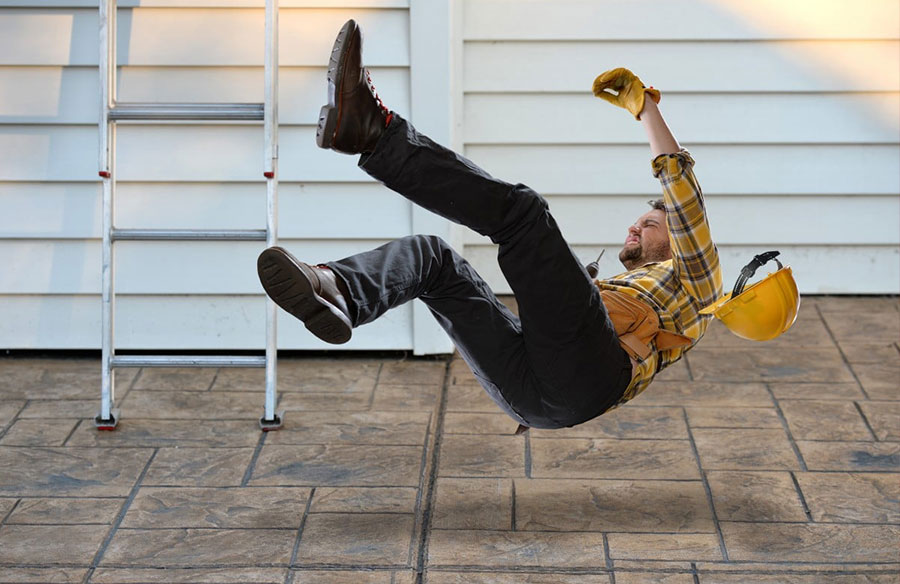
Imagine this: a quick trip up a ladder or a simple task on a rooftop takes a sudden and unexpected turn. Falls from heights are terrifying, and while the immediate injuries might seem like the worst part, the long-term effects can be even more life-altering. Whether it’s a fall at work, at home, or in a public space, the physical and emotional toll of such accidents often lingers far beyond the initial recovery.
Understanding the lasting impact of falls from heights is critical for both your recovery and your future. From ongoing medical care to lost work opportunities, the ripple effects of these injuries can touch every part of your life. Taking the time to address these challenges with the right medical and legal support can help you rebuild and move forward with confidence.
More Than Broken Bones: The Physical Aftermath
When people think of falls from heights, they often picture broken bones or fractures—and while these are common, they’re just the beginning. Falls can lead to traumatic brain injuries (TBIs), spinal cord damage, and internal organ trauma, all of which can have long-term consequences. Even injuries that seem minor at first can develop into chronic conditions, like persistent back pain or nerve damage.
The recovery process for these types of injuries often involves months or even years of medical treatment, from physical therapy to surgeries and specialized care. For many, mobility and independence are never fully restored. Understanding the full scope of your injuries early on is essential to planning for physical and financial recovery.
Emotional and Psychological Effects
The emotional impact of falling from a height is often underestimated but can be just as significant as the physical injuries. Many people experience anxiety or fear of heights after their accident, which can limit their ability to work or participate in everyday activities. Others may develop post-traumatic stress disorder (PTSD), reliving the accident or feeling constant fear in similar settings.
Depression is another common outcome, especially when injuries result in lost mobility, independence, or career setbacks. Seeking mental health support, whether through therapy or support groups, is an important step in addressing these challenges. Emotional recovery is as important as physical healing, ensuring that you’re able to live a fulfilling life after your accident.
Hidden Injuries That Show Up Later
After a fall from a height, some injuries may not become apparent immediately, posing risks if left untreated. Here are common hidden injuries to watch for:
- Internal Organ Damage- Damage to internal organs can remain unnoticed for days, presenting symptoms such as abdominal pain, dizziness, or unexplained fatigue. If left untreated, this can lead to life-threatening complications.
- Concussions- Head injuries may not show immediate symptoms but can result in delayed issues like persistent headaches, dizziness, memory problems, or sensitivity to light and sound.
- Hairline Fractures- Tiny bone fractures may not cause significant pain initially but can worsen over time, leading to swelling, discomfort, or limited mobility in the affected area.
- Soft Tissue Injuries- Sprains, strains, or damage to muscles and ligaments may appear later, causing pain, stiffness, or swelling as the body heals and inflammation sets in.
- Nerve Damage- Symptoms such as tingling, numbness, or shooting pain in the extremities could indicate underlying nerve injuries that require medical attention.
Financial Burdens That Last
Falls from heights often come with significant financial consequences, many of which extend long after the initial accident. Medical bills can quickly pile up, especially if you require surgeries, hospital stays, or long-term rehabilitation. Lost wages during recovery, combined with reduced earning potential due to permanent injuries, can create ongoing financial strain.
These challenges highlight the importance of seeking compensation for your injuries. Working with an attorney who understands the complexities of personal injury cases can help ensure you’re not left footing the bill for someone else’s negligence. For those in Boulder, trusted legal representation for personal injury claims in Boulder can make all the difference in securing the resources you need to move forward.
The Ripple Effect on Family and Relationships
A fall from a height doesn’t just affect the individual—it impacts their loved ones as well. Family members often take on caregiving roles, juggling work and personal responsibilities while supporting their injured loved ones. These changes can create emotional and financial strain as the household adapts to new realities like reduced income or increased medical expenses.
Open communication and seeking outside help, such as counseling or community resources, can ease some of this strain. Involving loved ones in recovery planning also helps them feel more equipped to handle the challenges ahead. Recognizing the ripple effects of your injuries ensures that everyone affected has the tools and support they need to move forward together.
Adapting to a New Normal
For many, a fall from a height marks a turning point in their lives. Adjusting to long-term injuries often means learning new ways to perform everyday tasks, using assistive devices, or relying on others for help. The emotional weight of these changes can be heavy, but finding a support network can make a world of difference.
Local organizations, community groups, and even online forums can connect you with others who’ve faced similar challenges. Hearing their stories and advice can provide motivation and practical tips for adapting to life after a fall. No one should have to navigate these changes alone, and leaning on others can make the journey a little easier.
Preventing Future Accidents
While recovery is critical, preventing future falls is just as important. Identifying the circumstances that led to your accident—whether it was a poorly maintained surface, inadequate safety equipment, or a simple misstep—can provide valuable lessons. These insights can also be used to hold responsible parties accountable and advocate for better safety practices in workplaces or public spaces.
Ensuring that safety standards are maintained not only safeguards you but also assists others in preventing similar incidents. Through legal action, raising awareness, or collaborating with local safety initiatives, tackling the underlying causes of your fall can lead to meaningful change. Sharing your experience and advocating for improved safety measures empowers others to take action and prioritize their well-being.







