

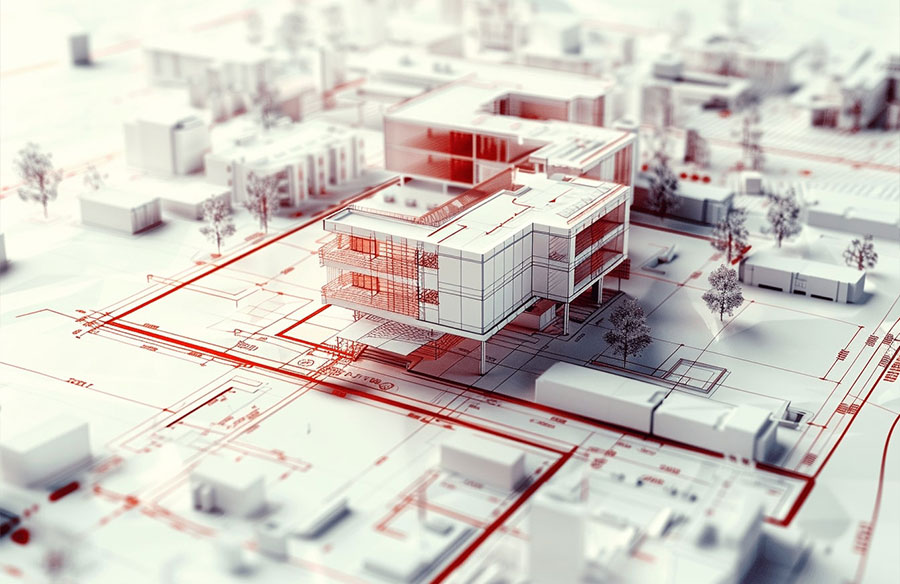
The architecture and design industry is undergoing a seismic shift, driven by advanced technologies and the need for streamlined, efficient processes. Interactive tools, powered by technologies like node admin framework, and modern solutions using Tailwind UI extended with Vue3, are redefining how architects approach their workflows. These tools integrate user-friendly interfaces with robust backend capabilities, enhancing design precision, collaboration, and efficiency.
This article explores the profound impact of digital transformation and interactive tools on architectural design, empowering professionals with unprecedented capabilities.
The Need for Digital Transformation in Architecture
Challenges in Traditional Architectural Processes
Traditional architectural workflows often involve:
- Manual Drafting: Lengthy processes with higher chances of human error.
- Face-to-Face Interactions: Dependency on physical meetings for client feedback.
- Limited Collaboration: Difficulty in coordinating across geographically dispersed teams.
These inefficiencies lead to delayed timelines, higher costs, and communication gaps. Digital transformation addresses these challenges by introducing speed, accuracy, and enhanced collaboration.
The Opportunity of Technology
Digital transformation integrates software, hardware, and real-time collaboration into architectural design processes. Technologies like Building Information Modeling (BIM), virtual reality (VR), augmented reality (AR), and web platforms powered by Vue3 enable professionals to create higher-quality designs while remaining agile to client feedback.
Interactive Tools Driving Change in Architectural Design
1. Cloud-Based Collaboration Platforms
Architectural projects often involve multiple stakeholders, including architects, engineers, contractors, and clients. Cloud-based platforms like BIM 360 centralize workflows, enabling real-time updates and collaborative editing.
Benefits:
- Centralized document management.
- Real-time collaboration.
- Transparency in the design process.
By extending these platforms with Vue3, teams can develop dynamic interfaces that simplify workflows and improve productivity.
2. Generative Design Tools
Generative design leverages artificial intelligence (AI) to explore countless design possibilities based on input parameters like materials, budget, and environmental factors. Tools like Autodesk’s Dynamo enable architects to innovate and optimize simultaneously.
Impact:
- Automation of repetitive tasks encourages creativity.
- Improved sustainability through energy-efficiency simulations.
- Rapid prototyping for better decision-making.
3. Interactive Visualizations with VR/AR
Virtual reality and augmented reality are transforming how designs are presented. VR immerses clients in a 3D representation of their future space, while AR overlays virtual designs onto real-world environments.
Features:
- Real-time walkthroughs of 3D models.
- Interactive tools for in-meeting design adjustments.
- Increased client engagement and understanding.
Using Node.js-powered frameworks, architects can seamlessly integrate these interactive tools with design software, making the experience intuitive and responsive.
The Role of Tailwind UI and Vue3 in Digital Architecture Platforms
Developing Back Offices with Tailwind UI
Tailwind UI simplifies the creation of responsive, visually appealing user interfaces. For architectural firms, it accelerates the development of tools like project dashboards, timeline trackers, and client portals.
Extending Functionality with Vue3
Vue3’s progressive framework enhances the flexibility and responsiveness of web applications. Combining Tailwind UI with Vue3 enables:
- Complex data visualizations for timelines and budgets.
- Responsive designs are adaptable to mobile and desktop platforms.
- Seamless, interactive client-side experiences.
Example:
An architecture firm could develop a back-office application using Node.js for backend logic, Tailwind UI for front-end aesthetics, and Vue3 for dynamic client-side interactions. Frameworks like AdminForth simplify this process further by providing prebuilt modules for real-time collaboration and data visualization. Features might include:
- A client portal for tracking project updates.
- Real-time collaboration tools for design teams.
- Integrated visualization tools for 3D models.
Benefits of Interactive Tools in Architectural Design
1. Enhanced Efficiency
Automation of tasks like generating floor plans or calculating structural loads reduces time consumption, allowing architects to focus on creative problem-solving.
2. Improved Client Collaboration
Platforms built with Tailwind UI and Vue3 enable real-time interaction, allowing clients to provide feedback directly within the platform.
Result: Better alignment and increased client satisfaction.
3. Increased Precision
AI and machine learning eliminate human errors, ensuring accurate calculations for structural integrity, material usage, and spatial planning.
4. Environmental Sustainability
Simulations powered by interactive tools help architects optimize designs for energy efficiency, natural lighting, and sustainable materials.
Overcoming Challenges in Digital Transformation
1. Resistance to Change
Many professionals accustomed to traditional methods hesitate to adopt new technologies. Training programs and demonstrations of long-term benefits can ease this transition.
2. High Initial Costs
The implementation of VR systems, generative design tools, or custom platforms can be expensive. However, the long-term savings in time and resources justify the investment.
3. Data Security Concerns
As firms rely more on cloud-based platforms, robust security measures—like encryption and regular audits—are critical to protect sensitive project information.
The Future of Architectural Design
The integration of AI, blockchain, and advanced machine learning will further revolutionize architecture. Innovations such as AI-driven generative design, blockchain-based contract management, and digital twins are reshaping the industry.
Emerging Trends:
- AI-Powered Design: Automating concept generation based on predefined criteria.
- Blockchain for Contracts: Enhancing transparency and security in project transactions.
- Digital Twins: Virtual replicas of buildings for ongoing monitoring and maintenance.
Conclusion
Digital transformation in architectural design is not optional—it’s essential. By adopting technologies like Node.js, Tailwind UI, and Vue3, architectural firms can achieve enhanced collaboration, greater precision, and a superior client experience.
As the industry evolves, those who embrace these tools and frameworks will lead the way in innovation, redefining how spaces are imagined, built, and experienced. The opportunity to push boundaries and create enduring designs has never been greater. How will your firm embrace digital transformation?







