

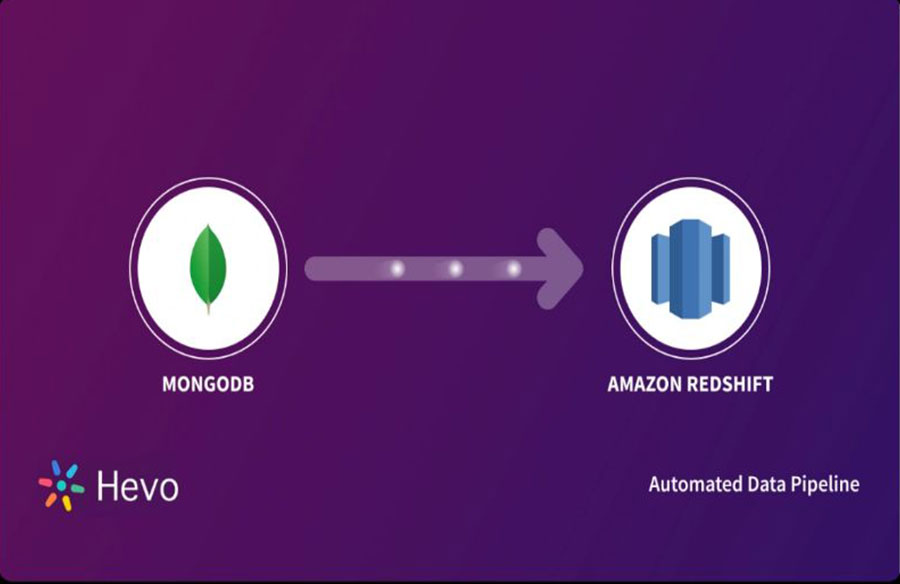
Migrating data between databases can often be a complex task, but it is an essential step in improving data management and optimizing performance. When migrating from one database to the other, a structured and efficient process ensures minimal disruption and smooth transition. This article provides an overview of the migration process, including various methods and key considerations.
Proper planning and strategy can make a significant difference in achieving a smooth migration with minimal errors. For organizations looking to scale their data infrastructure, the transition from MongoDB to Redshift offers a robust, cloud-based solution. Understanding the technical aspects and choosing the right method will ensure the migration is both cost-effective and efficient in the long run.
Data Migration Methods from MongoDB to Redshift
There are multiple approaches for moving information from MongoDB into Redshift, depending on the specific requirements of the project. The two most common methods are using Hevo Data or crafting a custom script to facilitate the transfer. Choosing the right method depends on factors such as the size of the dataset, the complexity of the structure, and the level of control required over the migration.
Both options have their advantages and potential drawbacks, so it is important to weigh them carefully. For smaller, simpler datasets, automated tools like Hevo may be sufficient, while larger or more complex migrations might benefit from the flexibility of custom scripts. A MongoDB to Redshift migration using custom scripts can provide the flexibility to manage large datasets and implement specific transformations. Each method can be customized to fit the unique needs of the business.
With Hevo Data
Hevo Data is a cloud-based platform that automates the data migration process. It integrates easily with both MongoDB and Redshift, simplifying the entire pipeline. Hevo Data offers several benefits, including:
- No coding required: This tool is user-friendly and doesn’t require programming expertise.
- Real-time data syncing: Hevo supports continuous synchronization between MongoDB and Redshift.
- Built-in data transformation: Data can be transformed as it moves from MongoDB into Redshift.
By using Hevo, organizations can cut down on the complexities that come with a traditional migration and instead focus on their core operations, knowing the information will be accurately and securely moved. The platform’s intuitive interface allows for seamless setup and monitoring throughout the entire process. In addition, Hevo offers real-time tracking, so users can monitor the progress of their migration with ease. The scalability of Hevo ensures that it can support growing volumes as business needs evolve, making it a valuable long-term solution.
Using Custom Script
For those with specific needs or those who prefer greater control over the migration process, a custom script offers a more hands-on approach. Writing a script in Python, Java, or other languages gives the flexibility to handle large volumes of data and manage how it is transformed during migration. This method requires a deep understanding of both MongoDB and Redshift data structures and might take more time to implement compared to automated solutions.
Custom scripts allow businesses to integrate complex logic that may not be supported by automated tools. Additionally, developers can fine-tune the performance of the migration to suit their specific requirements. For example, when looking to load data from MongoDB to Redshift, a custom script can be designed to optimize data transformation, ensuring that the correct schema is applied for efficient querying in Redshift.
When creating a custom script, several factors should be taken into account, such as:
- Handling data type mismatches
- Managing integrity during migration
- Ensuring optimal performance by limiting downtime
This method can be advantageous for projects with complex workflows but requires skilled developers for successful execution. Moreover, custom scripts can be optimized for specific data sets, reducing the risk of errors that might occur in automated transfers. However, it is essential to carefully monitor and test the migration, as mistakes in script logic could lead to serious issues with consistency. The flexibility of custom scripts makes it a powerful tool for tailored migrations, but only for teams with the right technical expertise.
Benefits of Using Hevo Data
The use of Hevo Data offers significant advantages over manual migration methods. Its ease of use, automation features, and scalability make it a top choice for organizations looking to move large amounts of data quickly and securely. One of the standout benefits of Hevo is its ability to automate both the migration and transformation processes, saving businesses considerable time and effort. The platform’s real-time syncing feature also ensures that data stays up-to-date across systems. Moreover, MongoDB to Redshift integration through Hevo reduces the complexity of the migration, allowing businesses to focus on leveraging their information in Redshift without worrying about manual intervention.
Key benefits include:
- Speed: Hevo Data simplifies the entire migration process, reducing the time spent on manual transfer.
- Accuracy: With its automated syncing and transformation features, Hevo ensures that data integrity is maintained throughout the migration.
- Scalability: Hevo can handle increasing volumes of information as the needs of the business grow, making it a great long-term solution.
Overall, using Hevo Data can streamline the migration process and make it more efficient while minimizing the risk of errors. With features like automated error detection, users can rest assured that the migration process will be closely monitored for issues. Additionally, Hevo offers 24/7 support, ensuring that any concerns during the migration can be addressed promptly. This makes it a reliable and user-friendly option for those looking for a hands-off migration experience.
Conclusion
Migrating from MongoDB to Redshift involves multiple methods, each with its own advantages and challenges. Whether choosing a simple automated solution like Hevo Data or opting for the flexibility of a custom script, businesses need to consider their specific needs, resources, and technical capabilities before making a decision. With the right approach, moving data into Redshift can result in better performance, scalability, and more insightful analytics. In choosing the migration method, factors such as the complexity of the data, the timeline for migration, and the available resources should be carefully evaluated.







