

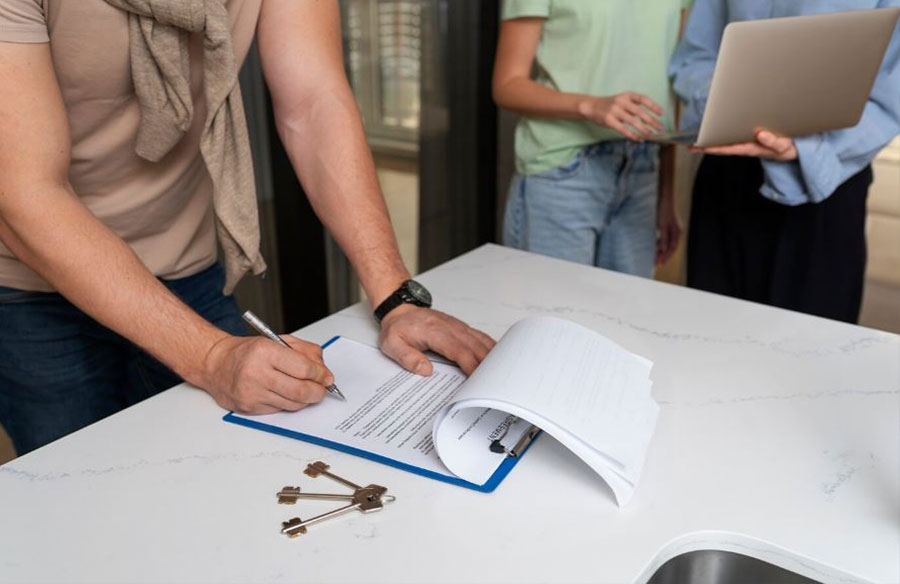
Building a home is an exciting and significant step for anyone, but for foreigners, embarking on a house construction project in a country that isn’t their own comes with unique legal challenges. Whether you’re looking to build a vacation home, an investment property, or a permanent residence, understanding the legal landscape is crucial to avoid complications. This article outlines the essential legal steps that foreigners must consider when starting a home construction project.
1. Understanding Property Ownership Laws
The first legal hurdle foreigners often encounter is understanding the property ownership laws of the country where they plan to build. In many nations, local laws may restrict or regulate foreign ownership of land. For example, some countries permit foreigners to own property but may restrict land ownership in certain areas, such as near borders or coastlines. In other countries, foreigners may only be able to purchase property through specific legal structures, such as forming a local company or entering into a long-term lease agreement.
Before starting the construction process, it’s critical to research the local property laws or consult with a local real estate attorney who can clarify your rights and options. Understanding the full scope of what is legally possible will ensure that you are working within the bounds of the law and avoid potential disputes or even losing the property later on.
2. Verifying Zoning and Land Use Regulations
Every piece of land is subject to zoning and land use regulations that dictate what can and cannot be built. As a foreigner, it’s essential to verify whether the land you’re considering for your home project is zoned for residential use. Zoning laws vary widely by location and can include restrictions on building types, size, and even the materials used in construction.
Before making any investment, it’s advisable to conduct thorough research or hire a local architect or consultant who understands the zoning laws. They can help navigate these regulations and ensure that your plans align with the local requirements, saving you from costly changes or potential legal battles down the road.
3. Securing Building Permits and Approvals
Building permits are a critical legal step in the construction process. In most countries, regardless of whether you’re a foreigner or a local, obtaining the proper building permits is required before any construction can begin. These permits are granted by local authorities and ensure that your project complies with safety standards, environmental regulations, and local construction codes.
The permitting process can be complex and vary significantly between jurisdictions. Depending on the scope and location of the project, the approval process could take weeks or even months. It’s important to factor in these timeframes and ensure that all necessary permits are obtained before breaking ground. A local architect, contractor, or project manager can often assist with navigating the permit process.
4. Hiring a Local Architect or Builder
One of the most significant legal steps in building a house as a foreigner is ensuring that the construction is managed by a reputable and legally registered architect or contractor. In many countries, only licensed professionals can oversee construction projects. A licensed architect will not only help you design a home that meets your needs and desires but also ensure that the plans comply with all local codes and regulations.
Choosing a reputable builder is equally important. Make sure to verify that your builder is registered with the local authorities and has a solid track record of completing projects according to the law. If you’re unfamiliar with local construction standards, hiring a local project manager or construction manager to oversee the project can help you avoid costly mistakes and ensure the process is legally compliant. In addition, if you require assistance with immigration-related matters while starting your project, consulting a Spar & Bernstein family immigration lawyer can help address any legal concerns about your residency or visa status.
5. Drafting and Signing Contracts
Contracts are an essential part of the construction process, especially for foreigners who may not fully understand the local legal system. Whether you’re hiring an architect, contractor, or any other service provider, it’s important to have a clear, legally binding contract in place. This contract should detail the scope of work, timelines, costs, payment schedules, and dispute resolution procedures.
A well-drafted contract will protect both parties in case of disagreements or delays. Ensure that you fully understand the contract’s terms and, if necessary, seek legal advice to clarify any areas of concern. Contracts should be written in a language you understand, and it’s advisable to use a bilingual lawyer to ensure everything is translated and explained properly.
6. Understanding Tax Implications and Costs
Construction projects often involve significant financial outlays, and understanding the tax implications is crucial for foreign investors. Many countries impose specific taxes on construction, including property taxes, VAT (Value Added Tax), and land transfer taxes. It’s also important to consider whether the local tax system offers any benefits or incentives to foreigners building homes.
Before starting your project, consult with a local tax professional or financial advisor to understand your obligations and potential tax liabilities. This will help you plan your budget more accurately and avoid any unexpected costs that could arise during the construction process.
7. Hiring Legal Representation
When undertaking a construction project in a foreign country, having legal representation is highly recommended. A lawyer specializing in property law can help you navigate the legal landscape, ensuring that you meet all the requirements and protect your interests throughout the project. They can assist with reviewing contracts, ensuring compliance with local laws, and resolving any legal disputes that may arise.
Having legal representation can be particularly important if you’re dealing with international contracts or need assistance with property ownership regulations. A local lawyer will have an in-depth understanding of the legal system and can help bridge any gaps in understanding that may arise due to language or cultural differences.
8. Navigating Dispute Resolution
Disputes can arise during any construction project, whether related to building delays, contract breaches, or disagreements between the parties involved. Foreigners may find themselves at a disadvantage in these situations, especially if they are unfamiliar with local laws or the legal system.
To mitigate the risk of disputes, it’s important to clearly outline expectations and responsibilities in contracts and ensure that all parties understand the legal framework. If a dispute arises, knowing the dispute resolution process is key. Many countries have mediation and arbitration services that can help resolve issues without resorting to lengthy court proceedings. Understanding these processes beforehand will give you peace of mind and help you handle any issues more effectively.
9. Insuring Your Property and Construction
Construction insurance is another important aspect of the legal process. Many countries require insurance for construction projects to protect against unforeseen circumstances, such as natural disasters, accidents, or property damage during the building process. Ensure that you have the proper coverage to avoid any financial setbacks should something go wrong during construction.
Insurance can also cover workers’ compensation, public liability, and other essential aspects of the project. Be sure to speak with an insurance advisor who understands the specific risks in the country where you’re building and ensures that you’re adequately protected.
Conclusion
Starting a home construction project as a foreigner is an exciting opportunity, but it comes with various legal considerations. You can confidently navigate the process by understanding the local laws, securing the proper permits, hiring the right professionals, and ensuring you have the necessary legal protections. Take the time to research and seek legal counsel to ensure a smooth and successful project, and your dream home will soon become a reality.







