

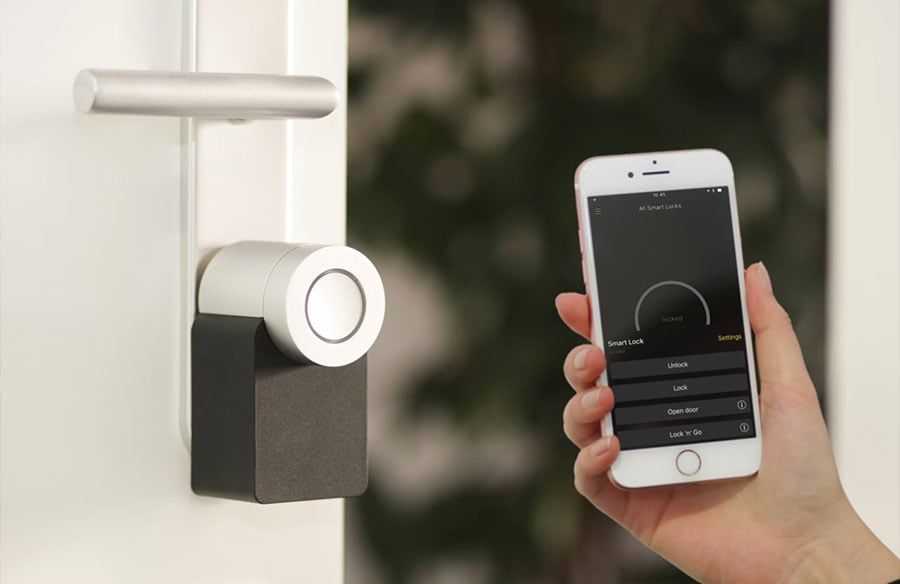
As the population ages, the demand for living spaces that best suit the needs of older adults is on the rise. Smart home design offers a unique opportunity to enhance the lives of seniors by integrating technology into living spaces.
This guide explores the latest trends in smart home design, focusing on the needs of senior residents. From easy-to-use interfaces to safety-enhancing features, we’ll examine how architecture and technology can come together to create spaces that are aesthetically pleasing and improve the daily lives of older adults.
The Rise of Smart Home Technology for Seniors
Smart home technology has rapidly evolved, offering various devices and systems to make life more convenient and secure. These advancements can significantly enhance seniors’ quality of life, providing greater independence and peace of mind.
The key to successful smart home design for seniors lies in selecting technology that is both user-friendly and beneficial.
One primary consideration for integrating technology into senior living spaces is ease of use. Devices with intuitive interfaces and clear instructions are essential for seniors to interact comfortably with the technology in their homes.
Additionally, features that enhance safety, such as fall detection and emergency response systems, are crucial for providing a secure living environment.
Designing Spaces With Technology in Mind
Architects and designers are vital in creating homes that seamlessly integrate technology. By planning spaces with tech integration in mind, they can ensure that smart devices are accessible and functional.
This includes designing areas for charging stations, incorporating built-in features that support technology use, and selecting materials and layouts that complement the devices.
When designing a smart home for seniors, it’s important to consider technology placement within the space. Devices should be easily accessible, with controls within reach and easily read displays.
This may involve installing smart home hubs at a comfortable height, ensuring that lighting controls are intuitive, and placing charging stations in convenient locations.
The Role of User-Friendly Devices
Selecting the right devices is crucial for creating a smart home that meets the needs of seniors. User-friendly devices with large, clear displays are particularly important, making it easier for older adults to interact with technology.
Motorola phones, available through Consumer Cellular, are an excellent example of devices designed for seniors. These phones offer large screens and simple interfaces, making them ideal for older users who may have difficulty with smaller, more complex devices.
Other smart home devices, in addition to smartphones, can enhance the living experience for seniors. Voice-activated assistants, like Google Home or Amazon Alexa, allow seniors to effectively manage various aspects of their homes with simple voice commands.
Smart thermostats can assist in maintaining a comfortable temperature, while smart lighting systems can improve visibility and reduce the risk of falls.
Safety-Enhancing Features in Smart Homes
Safety is a top priority when designing smart homes for seniors. Fortunately, technology offers a range of features that can boost the safety and security of older adults. For example, smart security systems can provide real-time monitoring and alerts, making seniors feel more secure in their homes.
These systems can include cameras, motion sensors, and doorbell cameras, all of which can be accessed remotely by family members or caregivers.
Another important safety feature is fall detection technology. Devices equipped with sensors can detect when a fall occurs and automatically alert emergency services or designated contacts. This can be a massive perk for older adults who live alone, providing peace of mind for the individual and their loved ones.
Promoting Independence Through Technology
One of the massive advantages of smart home technology for seniors is the ability to promote independence. By integrating technology into their living spaces, seniors can maintain control over their environment and daily routines.
This can include everything from setting reminders for medication to adjusting the thermostat.
Smart home technology can also assist seniors in maintaining connections with family and friends. Smartphone and tablet video calling features allow face-to-face communication, while social media platforms provide a way to keep in touch with loved ones.
These digital connections can be invaluable for seniors with mobility limitations.
Considerations for Implementing Smart Home Technology
While smart home technology offers a plethora of benefits for seniors, it’s important to consider the potential challenges. Privacy and security are key concerns, as connected devices can be severely vulnerable to hacking or unauthorized access.
To mitigate these risks, it is essential to choose devices with robust security features and regularly update software to protect against potential threats.
Another consideration is the cost of implementing smart home technology. While prices have become more affordable in recent years, the initial investment can still be significant. It’s important to weigh the benefits against the costs and explore options for financing or assistance programs that may be available for seniors.
Designing for Accessibility and Comfort
In addition to integrating technology, smart home design for seniors should prioritize accessibility and comfort. This includes wider doorways, non-slip flooring, and grab bars in key areas like bathrooms. These design elements can help prevent accidents and make it easier for older adults to get around their homes.
Lighting is another important consideration. Adequate lighting can improve visibility and reduce the risk of falls, while smart lighting systems can offer customizable options to suit individual preferences. For example, motion-activated lights can provide illumination when entering a room, while dimmable lights can create a comfortable ambiance.
Creating Spaces That Enhance Quality of Life
Ultimately, the goal of smart home design for seniors is to create spaces that enhance quality of life. By integrating technology thoughtfully and intentionally, architects and designers can help seniors maintain their independence, stay connected with loved ones, and enjoy a safe and comfortable living environment.
The key to successful smart home design lies in understanding seniors’ unique needs and preferences. By prioritizing user-friendly devices, safety-enhancing features, and accessible design elements, we can create homes that truly meet the needs of older adults.







