

A roof is a home’s first line of defense against weather and environmental elements, making its upkeep critical to maintaining the safety and comfort of your living space. Over time, even the most durable roofs begin to show signs of wear and tear, necessitating timely attention to prevent further damage. Recognizing when it’s time for a roof overhaul can save homeowners significant repair costs and ensure their property remains in optimal condition.
Visible Deterioration and Aging
The first and most obvious sign of a roof needing an overhaul is visible aging and deterioration. Over time, roofs are exposed to varying weather conditions, including rain, wind, and extreme temperatures, which can lead to wear. Look for curling or cracked shingles, sagging areas, and discoloration, as these are strong indicators of an aging roof.
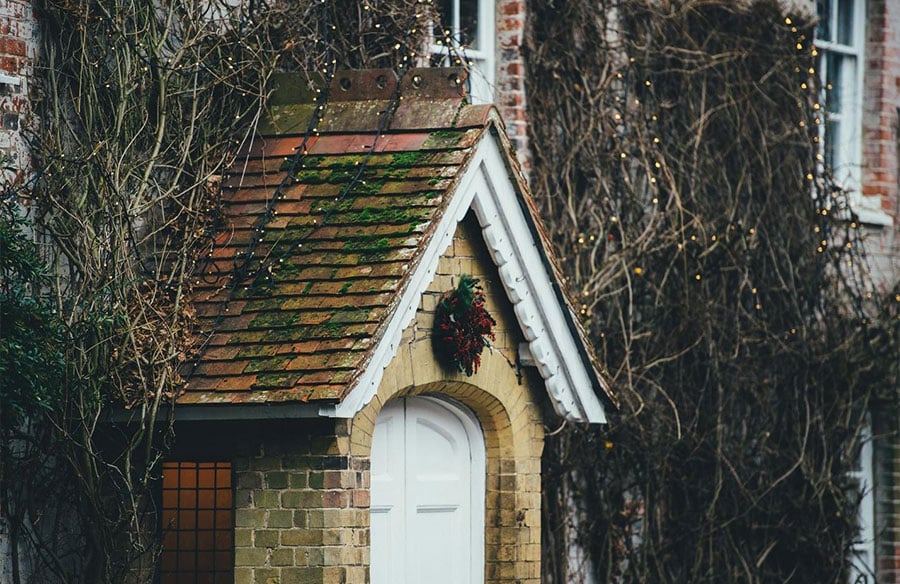
For asphalt shingles, granule loss can also signal that your roof is nearing the end of its lifespan. Granules protect the shingles from harmful UV rays, and their absence can make your roof more susceptible to damage. Similarly, moss and algae growth not only mar the appearance of your roof but can also retain moisture, accelerating the aging process.
Roofs typically have a specific lifespan depending on the material—20-30 years for asphalt shingles and longer for materials like metal or clay tiles. If your roof is nearing or has surpassed its expected lifespan, it’s time to assess its condition closely and plan for a replacement.
Issues with Metal Roofing and Seamless Transitions
When it comes to metal roofs, their durability is often unmatched. However, they are not immune to problems over time. If you notice rust spots, loose fasteners, or panels that have become warped or detached, these are red flags. In some cases, these issues might indicate the need for a metal roof replacement, particularly if repairs are no longer cost-effective or the roof has reached the end of its lifecycle.
A professional inspection can help determine whether minor repairs will suffice or if a full replacement is necessary. Metal roofing offers excellent longevity and resistance to weather damage, so addressing these concerns promptly can extend its lifespan and maintain its structural integrity.
Frequent Leaks and Water Damage
Leaks are one of the most common indicators of a failing roof. Water stains on ceilings, walls, or attics suggest that moisture is making its way through the roofing structure. These stains often appear as yellow or brown patches and may be accompanied by peeling paint or sagging areas in the ceiling.
Unchecked leaks can lead to serious problems, including mold growth, structural weakening, and damage to insulation. Even small leaks can quickly escalate, causing widespread damage to your home’s interior. If water damage becomes a recurring issue, it’s a clear sign that a roof overhaul is necessary.
Additionally, pay attention to your gutters during heavy rains. If water is overflowing or if you notice excessive debris like shingle fragments in the gutters, this can point to a compromised roof unable to effectively handle water drainage.
Structural Weakness and Sagging
A sagging roof is a critical warning sign that should not be ignored. This issue often indicates severe structural damage, which could be caused by water infiltration, rotting wooden supports, or a weak foundation. A sagging roof poses significant safety risks, as it can collapse under heavy pressure, such as snow accumulation or strong winds.
Inspect your roofline from a distance—if it appears uneven or drooping, it’s time to call a professional. A full roof overhaul may be required to replace the damaged framework and restore the roof to its original stability. Prompt action can prevent further deterioration and protect your home and family from potential hazards.
Increased Energy Costs
A poorly functioning roof can also affect your home’s energy efficiency. If you’ve noticed a sudden spike in your energy bills, your roof could be to blame. Damaged or poorly insulated roofing materials allow heat to escape during winter and make it harder to cool your home during summer, putting extra strain on your HVAC system.
Inspect for drafts, cold spots, or unusually warm attic temperatures, as these can be signs of poor insulation or ventilation. In many cases, a roof overhaul can include modern energy-efficient materials and improved ventilation systems, helping to reduce your overall energy costs while keeping your home comfortable year-round.
Damaged Flashing and Ventilation Systems
Flashing, the material used to seal and protect the roof around chimneys, skylights, and vents, plays a vital role in preventing water infiltration. Over time, flashing can become cracked, corroded, or loose, creating entry points for moisture. Inspect these areas regularly, as even minor damage can lead to significant problems if left unaddressed.
Similarly, ventilation systems are crucial to maintaining a healthy roof structure. Poor ventilation can trap moisture in the attic, leading to mold growth, rotting wood, and other structural damage. If you notice musty odors, warped wood, or persistent condensation in your attic, it’s time to consider a roof overhaul to address these underlying issues.
Storm Damage and Emergency Repairs
Severe weather events like hailstorms, hurricanes, or heavy snowfalls can cause sudden and significant damage to your roof. Even if the damage isn’t immediately apparent, it’s essential to conduct a thorough inspection after such events. Look for dents, missing shingles, or any debris that may have punctured the roof.
While minor repairs might suffice for isolated damage, widespread issues caused by storms often require a complete roof replacement. Neglecting storm damage can result in ongoing problems, including leaks, structural weakening, and compromised safety.
The Impact of Location on Roofing Needs
Your geographic location plays a significant role in determining your roof’s longevity and maintenance requirements. Harsh weather conditions, such as intense heat, freezing temperatures, or heavy rainfall, can accelerate wear and tear. For example, in areas like [location], seasonal changes may take a toll on your roof’s durability.
Understanding the specific challenges posed by your local climate can help you take proactive measures to maintain your roof. This includes regular inspections, timely repairs, and considering weather-resistant materials during a roof overhaul.
All in all, your roof plays a critical role in safeguarding your home and knowing the warning signs of its decline is essential for timely action. Whether it’s addressing leaks, replacing aging materials, or responding to storm damage, taking proactive steps can prevent costly repairs and ensure your home remains a safe and comfortable haven.
If you’re noticing signs of deterioration, it may be time to evaluate your roof’s condition and consult a professional to determine the best course of action.







