

Creating a restful sleep environment goes beyond just picking the right mattress. The furniture in your bedroom plays a crucial role in promoting relaxation, comfort, and quality sleep. When it comes to designing a sleep sanctuary, the right furniture can complement your mattress, support your sleep posture, and contribute to your overall well-being. Whether you’re looking for a new bed frame, bedside tables, or storage solutions, choosing the right furniture is essential for achieving a peaceful and restful night’s sleep. For those dealing with discomfort, a mattress for back pain relief is essential, but it is also important to consider how your bedroom furniture enhances the overall comfort of your sleep environment. In this guide, we’ll explore how furniture choices can enhance your sleep environment and help you get the rest you deserve.
1. Start with the Right Mattress for Back Pain Relief
Before considering other furniture pieces, it’s essential to prioritize the most important element of your sleep environment—the mattress. A quality mattress is crucial for back pain relief and ensuring your body gets the support it needs. A mattress that is too firm or too soft can cause discomfort and exacerbate back pain. For those suffering from chronic back pain, a mattress designed for spinal alignment is a must.
Look for a medium-firm mattress that supports your spine while providing comfort. Memory foam, latex, or hybrid mattresses are popular choices, as they offer great support and contour to the shape of your body. A mattress with proper back support can significantly improve the quality of your sleep and alleviate pain, making it an investment worth considering.
2. Selecting the Right Bed Frame
Once you’ve chosen the perfect mattress, it’s time to focus on the bed frame. The bed frame not only supports your mattress but also plays a role in your bedroom’s aesthetics. It’s essential to select a bed frame that complements the overall design of your room while providing sturdy support for your mattress.
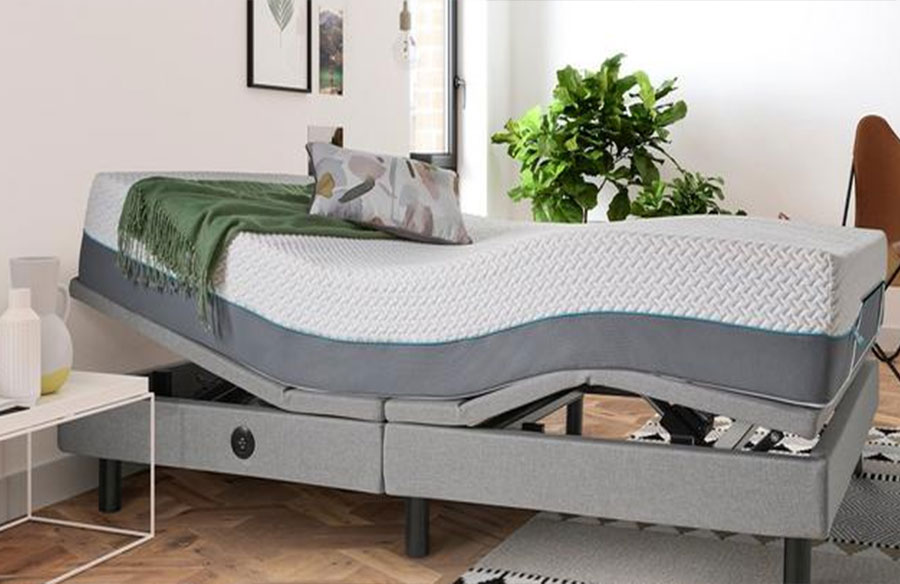
Consider a bed frame that’s adjustable if you prefer varying your sleeping position for extra comfort. Adjustable frames allow you to raise your head or feet, providing relief for conditions like acid reflux or lower back pain. A platform bed frame is another great choice, as it offers a low-profile design and often eliminates the need for a box spring.
3. Opt for Nightstands That Offer Functionality
Nightstands are essential pieces of furniture in a sleep environment, providing a convenient space for essentials like your alarm clock, a lamp, or a glass of water. However, choosing the right nightstand goes beyond just functionality—it should also fit within the overall design of your room.
Look for nightstands with enough storage space to keep clutter at bay, as a clutter-free environment contributes to a more restful atmosphere. Consider nightstands with drawers to keep items like books, electronics, or medications out of sight. Additionally, adjustable nightstands can be beneficial for accommodating different bed heights, ensuring easy access to your items without straining your body.
4. The Importance of Lighting
Lighting is another critical element that impacts your sleep environment. Harsh overhead lights can disrupt your natural circadian rhythm, making it harder to wind down before bed. Soft, ambient lighting is ideal for creating a calm and inviting atmosphere.
Table lamps or wall-mounted reading lights next to your bed can provide the perfect level of illumination for nighttime activities like reading or checking your phone. Adjustable lighting options allow you to control the brightness and create a soothing atmosphere that promotes relaxation before sleep.
5. Incorporating Storage Solutions
A cluttered bedroom can cause unnecessary stress and make it difficult to relax. Efficient storage solutions are essential for maintaining an organized, peaceful space. Consider furniture pieces that combine both style and storage, such as storage ottomans, bed frames with built-in drawers, or multi-functional furniture like storage benches.
Storage furniture not only keeps your bedroom tidy but also maximizes space. You’ll want to store things like extra bedding, pillows, or seasonal clothing out of sight, reducing visual distractions and creating a more serene sleep environment.
6. Comfortable Seating for Relaxation
In addition to your bed, having a comfortable seating area in your bedroom can contribute to a restful sleep environment. A cozy chair or bench can provide a place to relax before bedtime, whether you’re reading a book, meditating, or simply unwinding.
Choose a chair or bench that is both comfortable and complements the rest of your room’s décor. If space is limited, opt for a smaller piece that can fit comfortably into the room without overcrowding it. A relaxing seating area in your bedroom can provide a transitional space between the hustle and bustle of the day and the calm of nighttime rest.
7. Choosing the Right Bedding and Accessories
Your furniture choices aren’t the only factors that influence the comfort of your sleep environment. The right bedding and accessories can enhance the coziness of your room and make your bed even more inviting. Soft sheets, a supportive pillow, and a warm comforter or duvet are essential components of a restful sleep setup.
Investing in quality linens made from breathable materials like cotton or linen can help regulate your body temperature throughout the night. Additionally, pillows designed for specific sleep positions (like memory foam for side sleepers or contoured pillows for neck support) can further improve your comfort and sleep quality.
8. A Calming Color Palette
The color of your bedroom furniture and decor also plays a significant role in creating a restful sleep environment. Soft, neutral tones such as whites, grays, and pastels are ideal for promoting relaxation. These calming colors create a serene atmosphere that encourages sleep by reducing visual clutter and overstimulation.
If you prefer more color in your space, consider using accent pieces such as throw pillows, blankets, or artwork to add personality and warmth without overwhelming the room. A calming, cohesive color palette can make your bedroom feel like a peaceful retreat.
9. Keep Technology to a Minimum
While modern technology can be an asset in many areas of life, it’s best to minimize its presence in your sleep environment. Avoid having a television, smartphone, or laptop within arm’s reach of your bed, as these devices can disrupt your sleep patterns and lead to restlessness.
If you need to keep your phone near you, consider using a nightstand with a designated space to store it away from your sleeping area. Reducing your exposure to blue light and electronic devices before bedtime can improve your sleep quality, allowing your body to fully relax and recharge.
Conclusion
The furniture in your bedroom plays a pivotal role in creating a restful sleep environment. From choosing the right mattress for back pain relief to selecting functional nightstands and adding cozy seating, each element contributes to the comfort and serenity of your space. By thoughtfully selecting furniture and accessories that complement your personal preferences, you can create a sleep sanctuary that promotes deep, restful sleep every night. Remember, the key to a peaceful sleep environment lies in a balanced approach to comfort, functionality, and style.







