

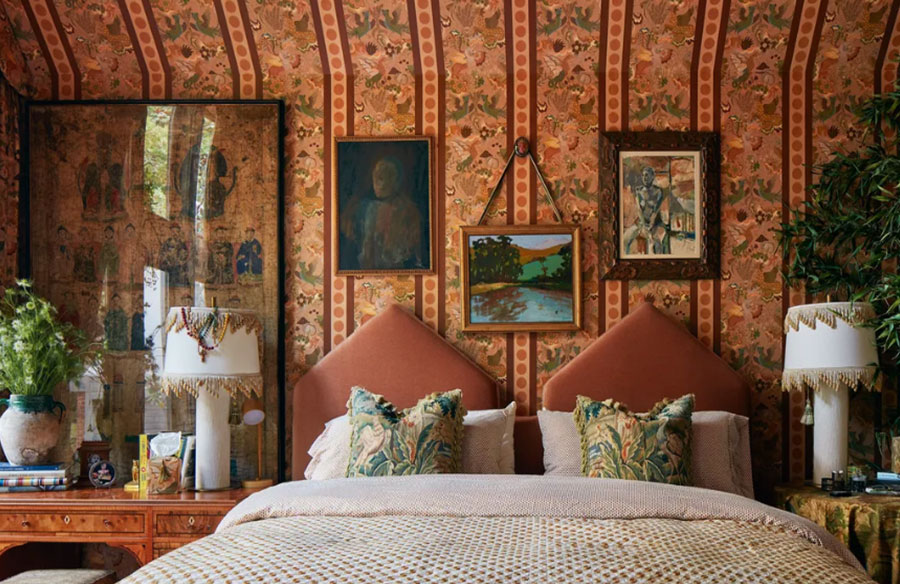
Architecture has the unique ability to influence the way we live, work, and interact within our homes and communities. The layout, design, and structure of a space can evoke emotions, enhance functionality, and contribute to overall well-being. Whether it’s creating a cozy atmosphere, fostering productivity, or encouraging relaxation, good architecture shapes the experience of living in a space. In this guide, we will explore how architecture can inspire better living spaces, from design principles to practical applications, all while considering how elements like furniture, layout, and natural light can create a harmonious environment. Enhance your home with the best queen size mattresses, as the right design influences not only your living space but your comfort and overall lifestyle.
The Role of Space in Architecture
The layout and flow of a home or room are foundational to creating a positive living experience. A well-thought-out floor plan can encourage ease of movement, create distinct zones for different activities, and ensure that spaces are used efficiently. The positioning of walls, doors, and windows can help maximize natural light, reduce clutter, and provide a sense of openness or intimacy. Architects often use the concept of “space-making” to ensure that rooms feel expansive yet cozy, providing an environment that supports both functionality and relaxation.
For instance, an open-plan living area can foster social interaction, making it perfect for family gatherings or entertaining guests. Alternatively, more intimate, smaller spaces like a reading nook or a home office can provide a retreat from the outside world. The architectural choices made in these spaces are fundamental to how individuals experience their environment.
Natural Light and Ventilation: Key Elements in Architecture
One of the most powerful tools in architecture is the strategic use of natural light. Daylight can transform a room, making it feel larger, more welcoming, and healthier. When architects design spaces, they consider how sunlight can enter through windows, skylights, or even glass walls, ensuring that the space feels alive throughout the day. Natural light not only enhances the aesthetics of a room but also plays a crucial role in improving the mood and mental health of the people who inhabit it.
Ventilation, closely tied to natural light, is another crucial aspect of creating a healthy living environment. Proper airflow is essential for maintaining indoor air quality, preventing the buildup of moisture, and regulating temperature. Good ventilation can help create a fresh and breathable atmosphere, making the space more comfortable and enjoyable to live in.
Creating Harmony Between Architecture and Furniture
While architectural elements set the tone of a space, the furniture you choose adds to its comfort and functionality. A well-designed home integrates both architectural elements and furniture to create a cohesive living experience. Furniture should complement the architectural style while contributing to the space’s functionality. For example, in a minimalist space, clean-lined, functional furniture will enhance the simplicity of the design. Meanwhile, in a more traditional setting, furniture with classic detailing can help elevate the elegance of the room.
When considering furniture, think about how it interacts with the space. Enhance your home with the best queen size mattresses, as choosing the right furniture pieces can significantly impact your comfort and lifestyle. A mattress, for example, is not just a functional piece; it influences how well you rest and recover. Architects and interior designers often collaborate with furniture experts to ensure that each piece contributes to the overall atmosphere of the home.
Incorporating Sustainable Design in Living Spaces
In today’s world, sustainability has become an integral aspect of architectural design. Many architects now focus on creating energy-efficient homes, utilizing eco-friendly materials, and designing spaces that minimize environmental impact. This approach not only benefits the planet but also improves the quality of life for residents by reducing energy costs and creating healthier living environments.
Sustainable design can take many forms, from passive solar homes that use sunlight for heating and lighting, to the use of natural, non-toxic materials like bamboo and reclaimed wood. Green roofs, rainwater harvesting systems, and energy-efficient appliances are just a few of the elements that can be incorporated into the design of a living space to make it more sustainable. These choices not only contribute to better living conditions but also align with the growing desire for homes that reflect environmental responsibility.
The Importance of Color and Texture in Design
Color and texture play an important role in how we perceive and experience a space. Colors can evoke a range of emotions, from the calming effect of blues and greens to the energy and warmth created by reds and oranges. In interior design, the careful selection of color palettes can influence how a space feels—whether it’s soothing, invigorating, or cozy.
Textures, too, contribute to the tactile experience of a space. The softness of a plush rug underfoot, the sleekness of a polished countertop, or the roughness of exposed brick all affect how we interact with a room. Combining different textures and colors can create a layered, dynamic environment that feels balanced and comfortable.
Maximizing Small Spaces
In urban environments where space can be limited, architects often face the challenge of designing compact yet functional living spaces. Maximizing the potential of smaller homes requires clever design strategies that make the most out of every square foot. Multi-functional furniture, built-in storage solutions, and modular designs can help optimize space while maintaining a comfortable and stylish atmosphere.
Vertical design, such as incorporating tall shelving units or lofted beds, can also make a small room feel more expansive. Additionally, using mirrors and light colors can create the illusion of space, making rooms feel airier and larger than they are. For those living in apartments or homes with limited space, thoughtful architectural design can turn even the smallest area into a stylish, functional living space.
Personalization: Making a Space Your Own
Good architecture is not just about function and aesthetics—it’s also about personalization. A well-designed home should be a reflection of the people who live in it. Personal touches, such as artwork, family heirlooms, or custom-made furniture, can help transform a space from a generic living area to a place that feels truly like home.
Architects and designers often collaborate with homeowners to ensure that the space is tailored to their lifestyle. Whether it’s designing a home office that fosters productivity, a cozy reading nook, or a luxurious master bedroom, personalization adds the final layer that makes a house feel like a home.
Conclusion
Architecture is more than just the design of buildings; it’s the foundation for creating better living spaces. By focusing on space planning, natural light, ventilation, sustainable design, and personalization, architects can inspire environments that foster comfort, productivity, and well-being. A thoughtfully designed space not only improves the quality of life but also encourages a deeper connection to the home. Whether you’re designing your own home or looking for inspiration, understanding how architecture can inspire better living spaces will help you make choices that enhance your lifestyle and create a harmonious living environment.







