

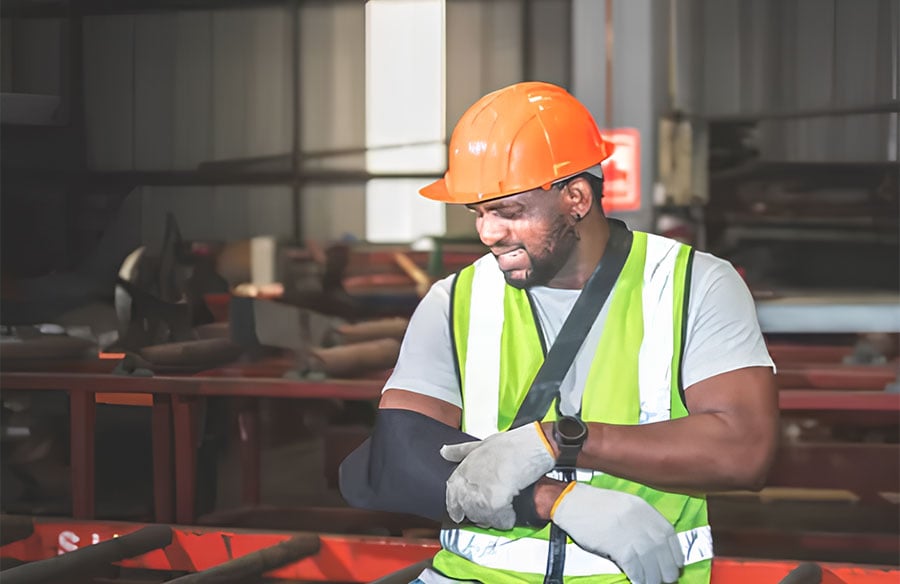
The architecture industry is evolving, with an increasing focus on sustainability. As building designs become more energy-efficient and environmentally conscious, the need for a more robust approach to Environmental Health and Safety (EHS) training, such as IIPP training, and WVPP training has never been more critical. This training is essential for ensuring that architects, engineers, and all professionals involved in construction work are well-equipped to meet safety standards while promoting eco-friendly practices in every phase of design and construction.
The Role of EHS Training in Sustainable Architecture
IIPP training serves as a foundation for creating buildings that not only support environmental sustainability but also safeguard human health and ensure safety. As sustainable practices are integrated into building designs—such as the use of renewable energy sources, energy-efficient insulation, and low-impact materials—it is equally important to understand the risks and hazards associated with these new technologies. Proper training ensures that professionals in the field are prepared to handle these challenges.
Ensuring Worker Safety During Construction
In sustainable building projects, the use of new materials and technologies can present new safety risks. From handling hazardous substances in insulation materials to working with advanced machinery for energy-efficient systems, workers must be trained in proper safety protocols. Comprehensive IIPP training helps mitigate the risks associated with these innovations by providing workers with the knowledge of how to safely manage new technologies and construction methods.
Promoting Environmental Stewardship
Sustainable architecture prioritizes reducing environmental impacts, and EHS training supports this goal. By educating architects and construction teams about eco-friendly practices—from reducing carbon emissions to ensuring waste is disposed of properly—training helps avoid practices that could undermine the green building initiative. Proper IIPP training encourages the careful selection of materials that meet both environmental and safety standards, ensuring that the finished project is both sustainable and safe for future generations.
Compliance with Legal and Regulatory Standards
The architecture industry is governed by a variety of local, national, and international standards. IIPP training helps professionals stay compliant with evolving regulations related to environmental protection, worker safety, and sustainable practices. Many of these regulations, such as OSHA standards or environmental laws, are directly linked to how buildings are designed and constructed. Professionals who are trained in EHS protocols, including IIPP, are better equipped to navigate these complex rules and avoid legal pitfalls.
Key Aspects of EHS Training in Sustainable Architecture
Effective EHS training covers various elements that are integral to sustainable architecture projects:
-
Risk Assessment and Hazardous Materials Handling:
Understanding potential hazards and how to mitigate them, especially when working with innovative, eco-friendly building materials, is essential. Training should focus on assessing risks throughout the project lifecycle.
-
Sustainable Design Principles:
Architects and engineers must understand how to design structures that minimize energy use and environmental impact. IIPP training should incorporate sustainable design principles, including energy efficiency, resource conservation, and renewable energy systems.
-
Waste Management and Recycling:
Sustainable architecture focuses on reducing waste and promoting recycling. IIPP training should educate professionals on best practices for handling construction debris and ensuring it is properly recycled or disposed of, in line with green building standards.
-
Health and Safety Regulations:
As sustainable buildings may include features like green roofs or alternative energy systems, IIPP training must cover the safe installation and maintenance of such elements. Furthermore, ensuring worker safety while using new, potentially hazardous materials is paramount.
The Future of EHS Training in the Architecture Industry
As sustainability continues to shape the future of architecture, the role of EHS training will only grow in importance. Incorporating safety and environmental responsibility into every phase of a project—from initial design to post-construction maintenance—will be crucial to ensuring that buildings not only meet the highest standards of sustainability but also protect the well-being of those who design, build, and inhabit them.
The rise of smart buildings, renewable technologies, and green construction practices calls for a workforce that is fully prepared to tackle these innovations in a safe and environmentally responsible manner. This training, including IIPP training, is no longer an optional aspect of the design and construction process; it is an essential investment in the future of sustainable architecture.
Conclusion
In conclusion, as the architecture industry continues to embrace sustainability, integrating comprehensive training into every project will be essential for achieving truly sustainable and safe designs. Work with ehs training specialists, to make your professionals feel that they are not only creating buildings that contribute positively to the environment but also ensuring the safety and well-being of everyone involved in the process.







