

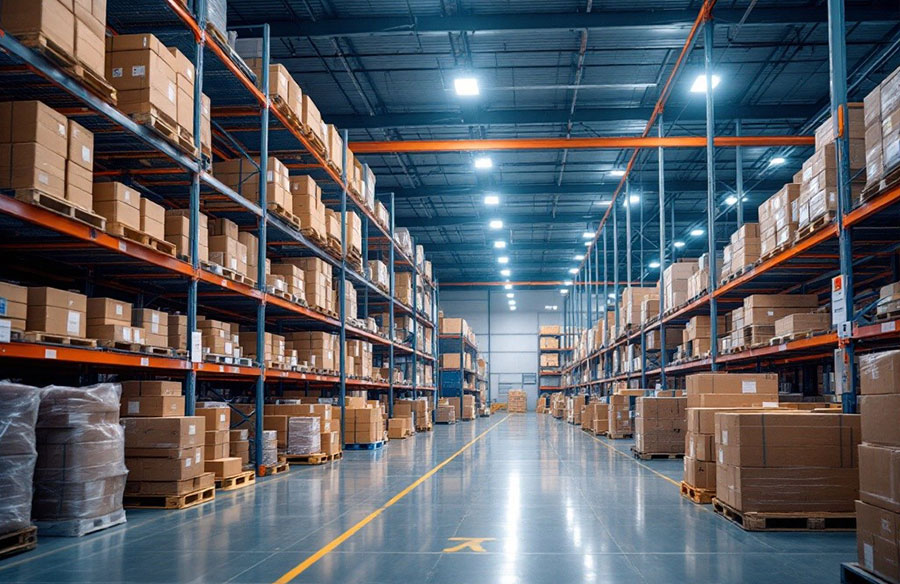
International trade involves the movement of goods across borders, which can be a complex and time-sensitive process. To manage the flow of goods efficiently, businesses often rely on temporary warehousing as a solution. Temporary warehousing offers a wide range of advantages, helping companies to streamline their logistics, reduce costs, and improve operational flexibility. This article explores the key benefits of using temporary warehousing for international trade, shedding light on how it can enhance supply chain management and support global business growth.
1. Flexibility and Scalability
One of the most significant benefits of temporary warehousing is its flexibility. International trade is often subject to fluctuating demands, seasonal variations, and unpredictable market conditions. Temporary warehousing allows businesses to adjust their storage space needs on a short-term basis, accommodating peaks in demand without the long-term commitment associated with traditional warehouse leasing. This scalability ensures that companies can efficiently manage inventory levels and respond to changes in trade volumes, ensuring they meet customer demands promptly.
For businesses engaged in international trade, the ability to scale up or scale down storage space as needed through warehouse service can be a game-changer. It enables companies to adapt to market shifts, such as sudden surges in import/export activities, without the burden of unused warehouse space during slower periods.
2. Cost-Effective Solution
Establishing permanent warehouse facilities for international trade can be a significant financial investment, particularly when businesses only need extra space during peak seasons or for specific shipments. Temporary warehousing offers a cost-effective alternative, eliminating the need for long-term leases, property taxes, and maintenance costs associated with owning or renting permanent warehouse space. With temporary warehousing, businesses only pay for the space they use for the duration of their storage needs, resulting in reduced operational costs.
This cost savings can be particularly valuable for small and medium-sized enterprises (SMEs) involved in international trade, allowing them to compete more effectively with larger players in the market. By reducing overhead costs, temporary warehousing makes global trade more accessible and affordable.
3. Improved Inventory Management
Temporary warehousing plays a crucial role in improving inventory management by providing businesses with additional space to store goods as they await processing, sorting, or shipping. When businesses use temporary warehouses, they can keep inventory in a centralized location, reducing the risk of stockouts, delays, or overstocking. This centralized system also allows for better organization of inventory, improving tracking and order fulfillment efficiency.
Temporary warehousing solutions often come with advanced inventory management systems, allowing businesses to track their goods in real time. This visibility into inventory levels helps businesses make more informed decisions regarding procurement, distribution, and delivery schedules, ensuring smoother operations.
4. Enhanced Supply Chain Efficiency
Temporary warehousing can significantly enhance the efficiency of the entire supply chain. By using temporary storage facilities, businesses can create buffer zones between production, shipment, and delivery, which can help reduce lead times and mitigate disruptions. For instance, products can be temporarily stored closer to shipping ports, which reduces the time needed to transport goods to the final destination. This geographical advantage can speed up processing times and lower transportation costs.
Furthermore, temporary warehousing can improve coordination between international suppliers, customs authorities, and distributors, leading to more streamlined customs clearance processes. This results in faster delivery to the end customer, increasing overall satisfaction and loyalty.
5. Facilitates Cargo Sorting and Packing

For international trade, this sorting and packing process is critical in ensuring that goods are shipped efficiently and in compliance with local regulations. By using temporary warehousing, businesses can streamline the packing process and reduce the chances of costly errors or delays at customs checkpoints.
6. Supports Just-in-Time (JIT) Deliveries
Temporary warehousing supports Just-in-Time (JIT) inventory strategies, which are particularly important in industries where product demand is high but the cost of maintaining large inventories is prohibitive. With JIT deliveries, businesses rely on temporary storage to hold goods until they are needed in the production process or ready to be shipped to customers. This eliminates the need for large, long-term stockpiles of goods, reducing storage costs and minimizing inventory waste.
By utilizing temporary warehousing, businesses can store goods closer to the point of demand, ensuring that products are available when needed without tying up capital in excess inventory. This agility enhances supply chain responsiveness and can help businesses reduce lead times and improve delivery speeds.
7. Reduces Risk of Stock Damage
Shipping goods internationally involves exposure to various risks, including damage, theft, and environmental factors. Temporary warehouses offer a safe environment for goods in transit, reducing the risk of damage before they are sent to their final destination. Many temporary warehouses are equipped with climate control systems, security measures, and fire prevention systems, ensuring that products remain in optimal condition during storage.
For businesses dealing with sensitive or high-value goods, such as electronics or perishable items, using temporary warehousing can minimize the risk of product deterioration. This protection enhances the overall reliability of the supply chain and reduces the likelihood of costly returns or re-shipments.
8. Eases Customs and Regulatory Compliance

Temporary warehouses also often have experienced staff who are familiar with international trade regulations, making it easier for businesses to navigate complex paperwork and avoid costly penalties for non-compliance.
9. Enables Consolidated Shipments
Temporary warehousing allows businesses to consolidate shipments, which is particularly beneficial for international trade. When goods from multiple suppliers are stored in a temporary warehouse, they can be combined into one larger shipment, reducing shipping costs and improving overall supply chain efficiency. This consolidation not only helps businesses save money but also reduces the environmental impact by minimizing the number of individual shipments and associated transportation emissions.
For businesses with multiple global suppliers, temporary warehousing provides a convenient hub to consolidate goods and ship them as a single, coordinated delivery, streamlining logistics and reducing complexity.
10. Streamlined Final Delivery
Temporary warehousing provides a strategic location to manage the final delivery of goods to customers. After goods are processed, sorted, and packed in the warehouse, they can be sent out for final delivery with minimal delay. By strategically locating temporary warehouses near major ports, transportation hubs, or major markets, businesses can ensure faster shipping times, lower transportation costs, and more reliable service.
For businesses that rely on just-in-time deliveries or need to maintain a steady flow of goods to international customers, temporary warehousing offers a solution to ensure efficient last-mile delivery.
Conclusion
Temporary warehousing offers a wide range of benefits for businesses engaged in international trade. From enhancing flexibility and scalability to reducing costs and improving supply chain efficiency, temporary storage solutions help businesses stay competitive in the fast-paced global market. By providing the space needed for inventory management, packing, and sorting, temporary warehousing supports smoother operations, reduces risks, and helps businesses comply with international regulations. Whether it’s accommodating fluctuating demand, consolidating shipments, or ensuring the safe storage of goods, temporary warehousing is a valuable tool for businesses seeking to optimize their international trade processes and deliver products efficiently to customers worldwide.







