

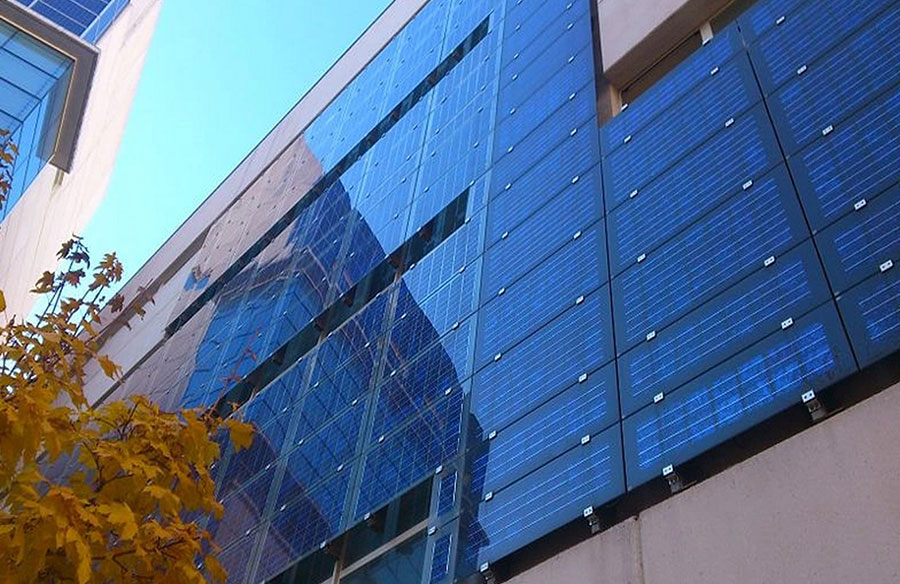
Just a few years ago, real estate agencies showed little interest in implementing solar installations on their properties. The lack of necessity and additional expenses served as strong incentives to ignore these innovations.
Over the past decade, green energy adoption in America‘s commercial sector has grown by an average of 7.0% annually. This growth has been driven by declining costs of photovoltaic panels, government policies, increasing demand for clean energy, and a shift towards eco-friendly living.

From this article, you will learn about the specifics of partnerships between solar energy companies and real estate agencies and the benefits they can offer.
Features of Implementing Solar Installations in Commerce
A key feature of commercial solar energy systems is their distributed generation. This means that energy can be used not only where it is generated but also in nearby facilities.
There are different types of commercial solar panels. Industrial solar installations can be located on building roofs, various ground arrays, parking lots, or carports.
Technologies like BIPV (Building Integrated Photovoltaics) or BAPV (Building Applied Photovoltaics) integrate photovoltaic elements into any part of a building. These elements generate electricity and provide an attractive appearance, insulation, or shading for open areas.
Numerous innovations have been applied in the solar industry, including the development of thin-film panels. Commercial enterprises are not required to purchase solar systems; it is sufficient to lease them or consume solar electricity under a third-party agreement.
Real Estate Agency and Green Energy: Expectations and Benefits
The increase in utility tariffs coupled with decreasing overall costs of solar installations is prompting many entrepreneurs to consider the savings achievable from generated solar power.
Installing solar panels on a property can provide the following benefits:
- Alignment of the building with environmental criteria
- Reduction in vacant spaces
- Enhancement of building prestige, potentially increasing rental rates
- Increased demand for properties among real estate leads focused on sustainability and energy efficiency
- Opportunity for revenue generation from energy production
However, real estate agencies may have concerns regarding:
- Potential increase in property costs due to additional investments in solar installations
- Possible rise in loan interest rates
- Theoretical expiration of incentives for utility companies
Additionally, in some states, legislation may not permit agreements to purchase electricity from third parties.
Costs of Installing a Solar Power Station: 4 Methods of Cost Recovery
To quickly and efficiently recover all costs associated with installing solar energy stations, companies need to analyze possible methods and choose the most optimal one.
There are four methods of cost recovery:
- Gross Lease Rental Payments: Including the gross amount.
- Enhanced “Green” Lease: Emphasizing the environmental friendliness of the property.
- Direct Sale of Solar Electricity to Tenants: May require special licensing.
- PACE (Property Assessed Clean Energy): All operational costs, including property taxes, are solely transferred to tenants.
Alternatively, the installation can be leased to a third-party solar energy company looking to expand its capacity.
Financing Options: Discounts and Incentives for Real Estate Agencies
Government programs subsidizing the solar industry are gaining momentum. Various incentives significantly reduce capital expenditures associated with launching projects.
Such incentives include:
1. Federal Investment Tax Credits (ITC) and Accelerated Depreciation (MACRS)
With tax incentives and accelerated depreciation, direct purchase of photovoltaic systems becomes viable.
2. Equipment Leasing
This option appeals to real estate agencies with minimal tax obligations.
3. Property Assessed Clean Energy (PACE) Financing
Solar energy system costs are included in property assessments and paid as part of property tax.
4. Power Purchase Agreements (PPA)
This model is widely used by corporate clients as a smart solar energy approach when the buyer pays a fixed price for the generated solar electricity over a period of 20 years.
5. Federal Solar Energy Tax Credit
Available to real estate agencies with tax liabilities to the government.
Additionally, numerous local incentives operate at the state level. Their availability and alignment with criteria should be sought in the region’s legislative framework.
Solar Business Opportunities: Benefits of Investments
It’s important to note that green energy provides incredible investment profitability. Despite substantial initial costs, solar energy ensures long-term savings and rapid return on investment.
Let’s further explore the benefits that commercial solar projects can bring.
| Benefits | Description |
| Cost savings | Electricity generated from sunlight is cheaper than traditional sources. Additionally, the constant increase in utility tariffs should not be overlooked. |
|
Return on investment |
Various government incentives reduce the overall cost of investments in green energy. |
| Reliability of energy systems | Solar energy systems are durable, with a lifespan of up to 40 years, requiring minimal maintenance. |
| Energy storage | A solar battery system allows for the accumulation of excess energy for future periods when greater electricity demand arises. |
| Reputation | Commitment to responsible business practices and environmental stewardship can enhance a company’s rating and establish a strong reputation. |
Another benefit is the opportunity to earn from selling generated solar energy. However, there’s a small caveat: it is not officially permitted in some states. Additionally, businesses can explore solar lead generation to connect with potential clients interested in adopting solar technologies.
Solar Power Systems: Your Guide in the World of Solar Power Stations
Solar real estate is becoming increasingly common today. The presence of house solar systems increases the value of a home and simultaneously reduces its time on the market.
However, access to financing programs makes the implementation of solar installations in residential or commercial properties more accessible. Therefore, it’s important for real estate agencies, real estate agents, and homeowners to be interested in solar panel reviews and expand their knowledge of solar energy.







