

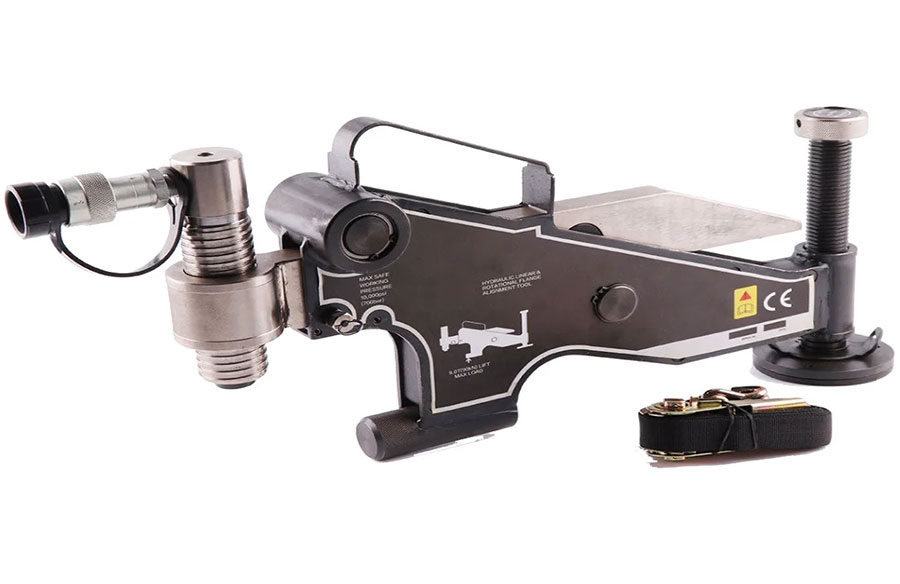
Working with hydraulic tools is a matter of utmost safety issues. Strong tools, playing an essential role in almost every industry, ranging from construction to manufacturing industries, must be handled with immense care so they will not bring upon very severe accidents or mistakes at a great cost. RIVERLAKE acknowledges the fact that hydraulic tools require the utmost care. This user guide will give you the essential safety tips, effective handling techniques, maintenance recommendations, and best practices so that you can ensure a safe working environment with high productivity.
Understanding Hydraulic Tools
Hydraulic tools are designed to use the pressure of fluid to produce force; this enables the workers to do different things with great effectiveness and much power. Some hydraulic jacks, lifts, presses, and wrenches need special techniques in handling to avoid accidents. First-timers and veterans require proper knowledge of safe operating procedures when using such powerful machines.
1. Prioritize Safety with Proper Training
Adequate training must be done before using any hydraulic tool. It can never be overstated that knowing what your tools do, safety procedures, and how to act in an emergency situation can definitely reduce accidents. RIVERLAKE offers great resources along with knowledgeable experts to ensure you always follow the utmost safety standards. Even if you have years of experience working with hydraulic tools, it makes sense to refresh your knowledge periodically.
2. Inspect Your Tools Before Use
Another critical safety operation entails the regular inspection of hydraulic tools. Always inspect your equipment for leaks and signs of damage or wear before you can begin work. Security should be tested and hoses and fittings should have no cracks or abrasions. Such quick checks can make much worse issues down the road and ensure that your tools are working perfectly. At RIVERLAKE, we often recommend that an individual reserve some daily time for checking the tools and keeping them organized.
3. Use the Right Tool for the Job
Tools have been designed for specific jobs. Many of you may know that using the incorrect tool on a task can have the tool break, you being hurt, or damaging equipment or materials. Know the specification of each tool so that you apply the correct tool to the job. Below is a series of tool descriptions and usage where we have utilized these tools, including here at Riverlake. Never replace tools in a way that threatens safety.
4. Wear Personal Protective Equipment (PPE)
PPE is a significant part of hydraulic tool safety. A person should always wear safety goggles, gloves, ear protection, and steel-toed boots. Hydraulic fluids carry a tremendous amount of pressure inside them and can cause very serious lacerations if touched by the skin, eyes, or face. So, this must be very important: having gloves and appropriate protective clothing that will prevent possible splashes of fluid. Furthermore, wearing hearing protection will protect your ears from the loud noises produced by some hydraulic equipment. In embracing personal protective equipment as a personal habit, you can be able to give yourself another layer of protection from perils associated with hydraulic tools.
5. Follow Manufacturer’s Guidelines
All hydraulic tools are supplied with an operation manual that provides critical safety information as well as guidelines. From there, you will be able to see whether you are appropriately working within the given limits of the tool. Some of the limits include load allowances, pressure settings and many more specific cautions. RIVERLAKE offers readable and clear product guides for you to be informed of the technicalities of each tool. Following manufacturer guidelines is among the easiest ways of preventing accidents and making sure that your tools last long.
6. Maintain Your Hydraulic Tools Regularly
Probably, the most important aspect of hydraulic tool safety will be maintenance. Wear and tear bring about degradation of parts with time and eventually to malfunction or failure. Check hydraulic hoses regularly for leaks, inspect seals, and change the hydraulic fluid as recommended by the manufacturer. Properly maintained hydraulic tools don’t only work better, but expose less tendency to break down while in use; hence preventing early downtime and reducing the rates of accidents. RIVERLAKE provides maintenance tools and products to keep your hydraulic equipment in the best possible condition.
7. Understand the Risks of High-Pressure Systems
Hydraulic systems operate strictly by use of a high-pressure fluid. It poses extreme danger if not managed suitably. Always handle pressure parts with care and avoid any jerky movement that can pose dangers by causing malfunctions in equipment. All body parts and tools must be kept off areas under pressure to reduce any injuries in case they occur. For RIVERLAKE, we impart the culture of maintaining a steady hand and always being conscious of pressure.
8. Store Hydraulic Tools Safely
Proper storage of hydraulic tools has to be done so that they can be always in good working condition and available for use. Clean all your tools after every job after removing soil, dirt or debris and hydraulic fluid. Store them in a dry, clean, secure location such that they are not exposed to extreme heat, extreme cold, or moisture. This will prevent them from getting corroded, hence staying functional for a long period.
9. Troubleshoot Carefully
In some cases, hydraulic tools may develop pressure drop, become noisily loud or develop fluid leakage. However, when developing problems, spend some time troubleshooting and proceed with your work. Never try to carry out any form of repair on hydraulic tools when they are pressurized or when you feel you might not understand the problem. Refer always to the manufacturer’s guide on how to troubleshoot or seek professional help if you need it. Correct troubleshooting saves you time and money and prevents the equipment from being damaged further.
10. Foster a Safe Work Environment
A safe working environment has to be ensured when using hydraulic tools to ensure that no accidents occur. The workplace has to be clean and free of any thing that may be distracting in movement. Light up the area well for proper vision in checking and good operating of tools. All members will also be important to know the safety precautions as well as trained in responding to emergencies such as dealing with hydraulic fluid leakage or jamming of the tool.
Conclusion
Hydraulic tools are so precious in terms of efficiency and power; however, this capability comes with the crucial responsibility of safe usage. Training, proper inspection and maintenance, and use of proper safety gear ensure a working environment that is both safe and maximizes the effectiveness of your hydraulic tools. Here at RIVERLAKE, we’re dedicated to making sure you have the expert advice, state-of-the art equipment, and guides to help you work both safely and efficiently. Whether you’re an old hand at hydraulic tools or just getting started, these tips will help you minimize your risks on every job and bring you the best possible outcomes.
For more information about the selection, maintenance, and safe use of hydraulic tools, visit RIVERLAKE for your trusted hydraulic tool safety and performance partner.







