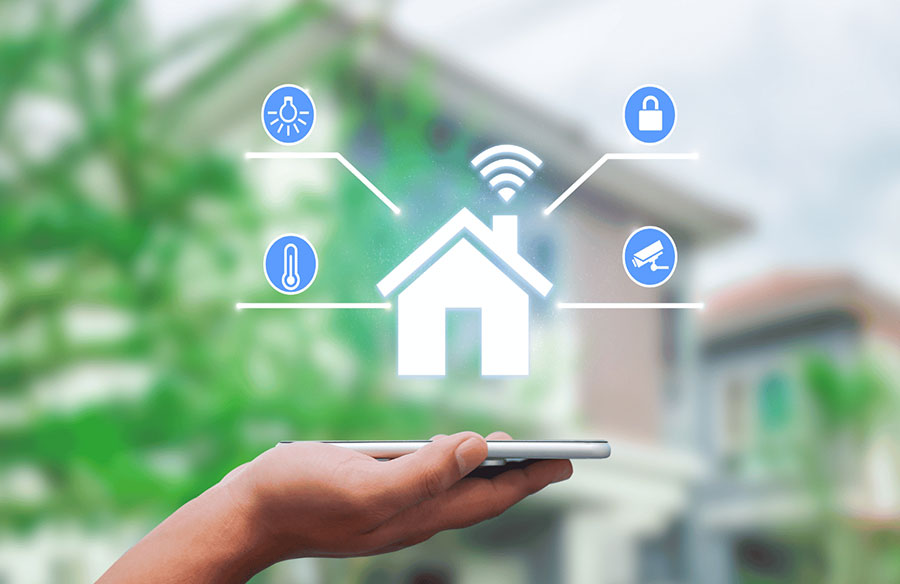
The concept of smart homes has shifted from a futuristic idea to an everyday reality for many. With the rapid pace of technological advancements, homes are not just places to live but interconnected hubs of convenience, efficiency, and security. Emerging tech has revolutionized the way we interact with our living spaces, transforming them into more adaptable, intelligent, and sustainable environments. This blog will explore how cutting-edge technologies are reshaping domestic spaces and what this means for the future of living.
Smart Energy Management: Efficiency at the Core
One of the most significant impacts of emerging technology in domestic spaces is the advancement in smart energy management. Modern homes are equipped with systems that monitor and optimize energy usage, reducing waste and lowering utility bills. Smart thermostats, for instance, learn user habits and adjust heating or cooling to maintain comfort while using minimal energy. Devices such as smart plugs and energy-efficient appliances contribute to a more sustainable home environment by automatically turning off when not in use or operating during off-peak hours to conserve energy.
Moreover, advancements in solar panels and battery storage solutions allow homeowners to generate and store their energy, making homes more self-sufficient. Integration with smart grids further empowers users by enabling dynamic pricing and usage tracking, giving them better control over energy consumption. The future of smart homes lies in seamlessly blending comfort with eco-friendly practices, where intelligent systems work together to make energy management more effective and intuitive.
Enhanced Security and Safety Measures
Smart technology has revolutionized the way we approach home security and safety. Modern smart homes come equipped with interconnected systems that provide real-time monitoring, advanced alerts, and rapid response mechanisms. These include smart cameras, motion detectors, and doorbell cameras that can be monitored remotely through smartphone apps, allowing homeowners to check in on their property from anywhere in the world.
Beyond basic monitoring, smart locks offer keyless entry options that enhance convenience while boosting security. Features like temporary access codes and biometric scanning ensure that only authorized individuals can enter the home. Additionally, you can integrate smart alarms with smoke detectors, carbon monoxide sensors, and water leak monitors, alerting homeowners instantly to potential hazards and allowing them to take immediate action.
AI and machine learning are playing an increasing role in these systems by learning typical patterns and identifying irregular activity that could indicate a potential security threat. This proactive approach enables homes to not only react to issues but also anticipate and mitigate them before they escalate. Enhanced security and safety measures have become a cornerstone of the smart home experience, emphasizing the importance of technology in safeguarding our living spaces.
Sustainable Living Through Smart Energy Management
One of the most significant benefits of integrating emerging technology into homes is the advancement of energy efficiency and sustainability. Smart energy management systems are transforming how households consume power, allowing homeowners to not only save on utility costs but also contribute to environmental sustainability.
Smart thermostats, for example, learn household habits and adjust heating and cooling based on real-time usage and weather patterns. Smart thermostats ensure that energy is used efficiently and only when needed. Similarly, automated blinds and smart lighting can adapt to natural daylight and occupancy, conserving energy without compromising comfort.
Here’s a numbered list of key technologies that are driving sustainable living in smart homes:
- Smart Thermostats: Optimize temperature settings to reduce energy consumption based on weather and household routines.
- Smart Lighting: Automatically adjust brightness or turn off when rooms are not in use.
- Energy Monitoring Systems: Provide detailed insights into energy usage, allowing homeowners to identify and mitigate power-draining habits.
- Smart Appliances: Use energy-efficient modes that minimize power usage during peak times and can be scheduled to operate during off-peak hours.
- Solar Panel Integrations: Pair with smart energy storage solutions to maximize renewable energy use and reduce dependence on the grid.
These innovations make it easier for homeowners to manage their energy footprint, promoting sustainable living practices. The adoption of these smart systems represents an essential step toward eco-friendly domestic spaces, catering to both environmental consciousness and practical household savings.
Enhanced Security and Safety Features
The integration of smart technology into homes has brought significant advancements in residential security and safety. Smart home systems now go beyond traditional locks and alarms to include a wide array of innovative features designed to protect homeowners and their properties.
- Smart Security Systems: Modern smart home security systems feature internet-connected cameras, motion sensors, and smart locks that can be monitored and controlled through smartphones and voice-activated assistants. Homeowners receive real-time alerts about suspicious activities, allowing them to respond even when they’re not at home.
- Video Doorbells: Video doorbells provide a clear view of who is at the door, day or night, through HD video and motion-detection technology. This feature offers an extra layer of security, giving homeowners peace of mind and control over visitor access.
- Integrated Smoke and Carbon Monoxide Detectors: Smart detectors do more than emit alarms; they send alerts directly to the homeowner’s phone, providing immediate information about potential hazards. These systems can be programmed to alert emergency services, ensuring timely responses during critical situations.
- Automated Lighting for Safety: Smart lighting can deter potential intruders by mimicking occupancy. Homeowners can schedule lights to turn on and off at specific times or control them remotely, adding an extra level of security when away.
- Emergency Response Automation: Some smart home systems are equipped to contact emergency services automatically during significant incidents, such as a break-in or fire, without homeowner intervention.
By implementing these cutting-edge security and safety technologies, smart homes are evolving into safe havens that offer unparalleled protection and convenience. This peace of mind is a significant draw for homeowners looking to modernize their living spaces with emerging tech.
Top Emerging Technologies Shaping Smart Homes
The future of smart homes is being redefined by new technologies that push the boundaries of innovation. Here’s a closer look at the top emerging tech trends transforming domestic spaces:
- 5G Connectivity: The rollout of 5G technology is enhancing the speed and reliability of home networks, making it easier for smart devices to communicate seamlessly. This advancement supports the integration of more devices without lag, enabling a more cohesive smart home ecosystem.
- AI-Powered Voice Assistants: Thanks to advances in artificial intelligence, voice assistants are becoming more sophisticated. They are evolving from simple voice-activated helpers into proactive, context-aware systems capable of initiating tasks based on user behavior. As a result, homes will be able to anticipate needs and provide solutions autonomously.
- Augmented Reality (AR) Interfaces: AR technology is emerging as a tool for controlling smart home systems through visual, interactive interfaces. Homeowners can point a smartphone or AR glasses at a room to view real-time data about connected devices, adjust settings, or troubleshoot issues.
- Smart Windows and Glass: Intelligent windows that adjust their opacity, tint, or transparency based on weather, time of day, or energy-efficiency settings are becoming more popular. This technology helps manage natural light and heat, contributing to sustainable living.
- Energy Storage Solutions: Integrating advanced battery systems into homes is allowing homeowners to store solar energy more efficiently. Advanced battery systems ensure that energy-hungry smart systems can run on renewable power, reducing electricity bills and the home’s carbon footprint.
These emerging technologies are setting the stage for a new era in smart home innovation, which will focus on making homes more intuitive, energy-efficient, and responsive to homeowners’ evolving needs.
Conclusion
The future of smart homes is more than just a collection of connected gadgets; it’s a vision of integrated, adaptive, and efficient living spaces powered by cutting-edge technology. Innovations such as AI-powered voice assistants, 5G connectivity, and smart energy solutions are creating homes that can anticipate needs, enhance comfort, and promote sustainability.
As these advancements continue to evolve, the concept of home will shift from a static living environment to an interactive, personalized space that responds to our preferences and adapts to our lives seamlessly. Working with experienced construction professionals can ensure seamless integration of these technologies into your home’s infrastructure. Embracing these trends now means preparing for a future where our homes are not only smart but also aligned with our needs for convenience, efficiency, and sustainability.
Author Bio
Rocco Montana is a seasoned construction and project management expert with over two decades of experience. As a Partner at Real Estate Construction Group (RCG), he specializes in commercial renovations and tenant improvements in Denver, focusing on sustainable building practices and innovative solutions.
Rocco’s leadership at RCG has led to the successful completion of numerous high-profile projects, consistently exceeding client expectations. His articles provide valuable insights into construction trends and best practices, aiming to inform and inspire industry professionals and business owners.