

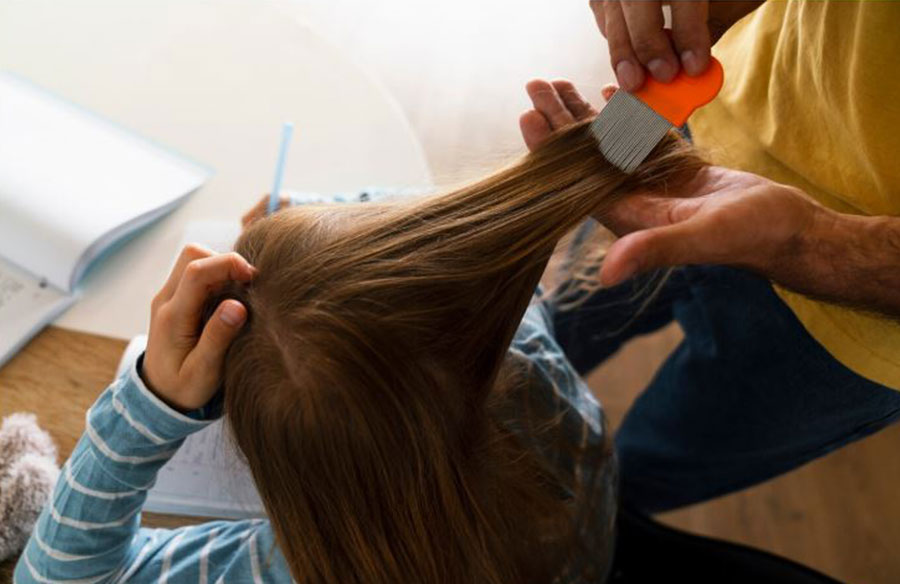
Lice eggs, commonly known as nits, pose a persistent challenge for individuals dealing with lice infestations, especially among children. These tiny eggs, often mistaken for dandruff or debris, can restart the cycle of infestation if left untreated. Their elimination is essential for effective lice management.
However, several misconceptions surround lice eggs, leading to ineffective treatment methods and continued infestations. In this article, we will explore the common misconceptions about lice eggs and why it is vital to address them through a step-by-step guide to ensure thorough lice treatment and elimination and prevent future infestations.
Identifying Lice Eggs
Lice eggs, also known as nits, are tiny oval-shaped structures that attach firmly to individual hair strands close to the scalp. They are often mistaken for dandruff or debris, but there are specific characteristics that can help differentiate lice eggs from other particles in the hair.
Location: Lice eggs are typically found within a quarter inch of the scalp, where the temperature is ideal for incubating the eggs. They attach firmly to the hair shafts using a glue-like substance secreted by the female louse, making them difficult to remove.
Size and Shape: Lice eggs are very small, similar in size to a grain of sand. They are oval-shaped and have a translucent appearance when freshly laid, gradually darkening in color as they mature. Mature lice eggs may appear brown or tan, while empty egg casings (nits that have already hatched) can appear white or clear.
Adherence to Hair Shaft: Unlike dandruff or other debris, lice eggs cannot be easily flicked off the hair shaft. They are firmly attached and require careful removal using a fine-toothed comb or specialized nit comb.
To differentiate lice eggs from other particles in the hair, it is essential to examine the hair closely under bright light. Lice eggs will appear as small, oval-shaped structures attached firmly to individual hair strands close to the scalp, while dandruff or debris will typically be more loosely attached and easily flicked off. Additionally, lice eggs may be accompanied by live lice or nymphs (immature lice), further confirming the presence of an active infestation.
Treatment Options
When it comes to eliminating lice eggs, several treatment options are available, ranging from over-the-counter products to natural remedies and professional lice removal services.
Over-the-Counter Products
There are numerous over-the-counter (OTC) lice treatment products available, including shampoos, lotions, and sprays. These products are designed to kill adult lice and nymphs. Some, but not all OTC treatments also kill eggs. Some OTC treatments also contain ingredients that help loosen lice eggs from the hair shafts, making them easier to remove with a fine-toothed comb.
Professional Lice Removal Services
For severe or persistent lice infestations, you might consider a professional lice removal service. These services typically involve the use of specialized tools and techniques, such as heated air devices or manual nitpicking, to remove lice and lice eggs effectively. Professional lice removal services may also provide follow-up treatments and guidance to prevent re-infestation.
Preventing Reinfestation
After successfully treating lice eggs, it’s vital to take preventive measures to avoid reinfestation. Here are some tips to help prevent lice eggs from returning:
- Wash Bedding and Clothing: Wash all bedding, clothing, hats, and other items that may have come into contact with the infested person in hot water (at least 130°F or 55°C) and dry them on high heat. This helps kill any remaining lice or eggs.
- Avoid Sharing Personal Items: Encourage family members and close contacts to avoid sharing personal items such as hats, hairbrushes, combs, hair accessories, and headphones. Lice can spread through direct contact with infested items.
- Regular Head Checks: Conduct regular head checks on family members, especially children, to detect any signs of lice or nits early on. Use a fine-toothed comb to carefully comb through the hair, particularly around the scalp and behind the ears.
- Inform Close Contacts: Warn close contacts, such as classmates, friends, and caregivers, about the presence of lice eggs to prevent the spread of infestation. Encourage them to check their own hair and take preventive measures if necessary.
- Educate About Prevention: Educate family members and close contacts about lice prevention measures, such as avoiding head-to-head contact, keeping long hair tied up, and using repellent sprays or essential oils known to deter lice.
By following these preventive measures and establishing good hygiene practices, you can reduce the risk of lice eggs reinfesting your household and prevent the spread of lice to others. Consistency and diligence in implementing these tips are important for long-term prevention of lice infestations.
Conclusion
Lice eggs, or nits, pose a persistent challenge for individuals dealing with lice infestations, requiring prompt identification, treatment, and prevention measures. Despite their small size, lice eggs play a central role in perpetuating lice infestations and can be challenging to eliminate if not addressed effectively.
It is important to remain vigilant and proactive in their approach to lice egg elimination and prevention, as early detection and consistent preventive measures are key to successfully managing lice infestations and supporting a healthy, lice-free environment. With proper identification, treatment, and prevention strategies in place, individuals can effectively address lice eggs and enjoy peace of mind, knowing they are taking proactive steps to protect themselves and their loved ones from lice infestations.







