

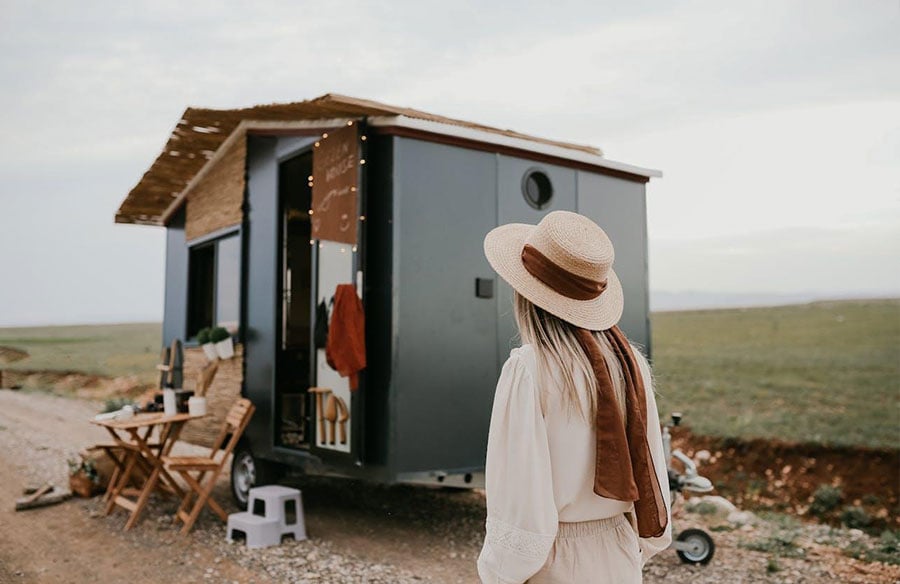
Are you thinking about building a cozy, sustainable, and simple space for yourself? You’re not alone; the tiny house movement is growing as a response to not only environmental concerns but also rising home and rent prices.
To top it off, tiny homes are simply easier to maintain, are more energy-efficient, and most are also mobile, making the nomadic style an option.
But building a sustainable tiny home requires more than simply thinking small. It’s about intelligent, purposeful design that makes the most of limited space, reduces waste, and gives you the freedom to live more meaningfully with less.
For anyone wanting to create a tiny home that’s as gentle on the environment as it is on the wallet, sustainable design principles are key.
Here are seven of them to help you create a tiny home that’s both efficient and eco-friendly.
1. Maximize Space (and Then Maximize it Again)
In a tiny home, space is your most precious commodity. But the trick isn’t just making things fit – it’s making them flow. So start by thinking about the purpose of every square foot; no, every single inch, in fact.
Can the living area double as an office? Can the kitchen table fold out when needed and tuck away when not?
Lofted spaces are goldmines in tiny homes, offering room for sleep or storage while keeping the main area open. And don’t forget the walls: shelves, hooks, and built-ins are all essential in tiny homes.
2. Use Sustainable, Durable Materials
Opting for sustainable materials is important because it can not only reduce your environmental impact but also make everything of higher quality. Materials like bamboo, reclaimed wood, or recycled metal, are naturally beautiful as well as durable. And they aren’t just better for the planet: they’re often toxin-free and better for your health.
Another tip: locally sourced materials have a lower carbon footprint than imported ones, so consider where materials come from. In the end, this choice adds character and integrity to your home (plus, it just feels good knowing what your space is made of).
3. Prioritize Energy Efficiency
Energy efficiency is central to sustainable tiny homes. Your aim should be to keep energy use low without sacrificing comfort.
Start with well-insulated walls, floors, and roofs because insulation keeps your home warm in winter and cool in summer, reducing the need for energy-draining appliances. Triple-glazed windows help maintain temperature while minimizing noise, and low-energy LED lighting brightens things up without draining your power supply.
For power, solar panels are ideal for tiny homes (since they’re often set up in rural or off-grid areas). They’re compact, sustainable, and give you control over your power needs.
4. Make Smart Use of Natural Light and Ventilation
Strategic placement of windows and skylights not only improves light flow but also enhances ventilation. Sunlight warms up your home naturally, which can reduce heating costs. And ventilation is crucial for preventing stuffiness or dampness, especially in smaller spaces. S
Also, skylights can bring in additional light without sacrificing privacy, and well-placed windows help create a natural cross-breeze, cutting down on the need for air conditioning.
5. Install Water-Saving Systems
Water might seem like a minor concern in a tiny home, but sustainable design means minimizing waste in every form. Look for efficient, low-flow plumbing fixtures like toilets, faucets, and showerheads. Composting toilets are another popular choice in eco-friendly homes, reducing both water waste and dependency on traditional sewage systems.
Greywater systems can take things a step further by recycling used water from sinks and showers to irrigate outdoor plants.
6. Integrate Multi-Functional Furniture
For tiny homes, multi-functional furniture is a must. Think of storage ottomans, fold-out desks, or stairs that double as drawers. Furniture that serves more than one purpose is essential here because it eliminates the need for additional pieces, keeping your home clutter-free and open.
Consider options that are both modular and easy to move. Tiny homes benefit the most from flexible furniture that can adapt to your needs on a given day. (And let’s be real: there’s something deeply satisfying about knowing your table doubles as a hidden storage unit.)
7. Embrace Minimalism in Design and Decor
Finally, remember that sustainability and minimalism go hand in hand. A minimalist design philosophy encourages fewer possessions and greater intention in choosing them.
By keeping things simple, you reduce material use and create a space that feels light, open, and easy to maintain. This isn’t just aesthetic – less clutter means fewer distractions, allowing you to focus on the things that bring genuine value. Plus, a minimalist setup keeps your tiny home feeling spacious and breathable, no matter how small it may be.







