

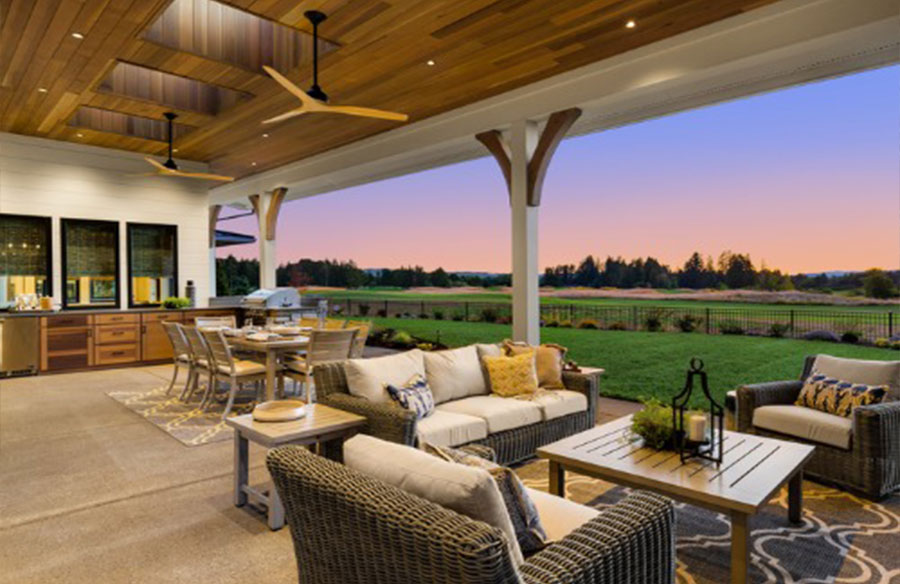
Choosing the right material for your patio can transform your outdoor living space into a functional, inviting retreat. Concrete patios stand out for their affordable cost and durability, making them a popular pick for many homeowners. Concrete is also a popular choice for residential driveways.
Here’s why concrete might be the best choice for your next patio project.
1. Benefits of Concrete Patios
Concrete patios are known for their affordable cost compared to other patio materials like natural stone or wood decking. Concrete costs per square foot are generally lower, making it ideal for building projects on a budget. Beyond affordability, concrete offers impressive stylistic versatility with options such as decorative concrete and geometric designs.
Durability and Strength
Concrete stands up well to extreme weather, resisting cracking and wear when installed properly. Adding control joints and an expansion joint during construction helps prevent future damage. Unlike a wood deck, which may need constant upkeep, a concrete patio requires minimal maintenance. A solid base ensures stability, preventing issues like weed growth or shifting.
Custom Design Options
Concrete’s versatility in design options means you can choose from a variety of concrete finishes like a broom finish, exposed aggregate, or decorative finishes. For a polished look, consider patio slabs with a neutral base or integrate geometric shapes and patterns. Adding a brick border or brick pattern can elevate the overall appearance, creating a distinctive patio surface.
2. Cons of Concrete Patios
While concrete has numerous advantages, it does come with some drawbacks. Cracking over time is a common issue, especially in areas with hot weather. Proper installation and regular sealing with quality sealant colors can mitigate this risk. The initial cost of professional installation may also be higher, but long-term maintenance costs remain low.
Temperature Sensitivity
Concrete can become uncomfortable to walk on during hot weather. To counteract this, opt for lighter solid colors or consider covering part of the patio with a patio cover or pergola. This provides shade and keeps the outdoor living space cooler.
3. Comparing Concrete to Other Materials
Concrete vs. Wood Decking
A wood deck offers a natural look that some homeowners prefer, but it demands more maintenance and can warp or rot over time. In contrast, a concrete patio maintains its unbroken surface and resists weed growth between seams.
Concrete vs. Pavers
Concrete pavers offer a unique aesthetic with a variety of shapes and colors, but they can shift over time, leading to uneven patio surfaces. Concrete slabs, especially with a minimum thickness maintained during installation, provide a more stable and seamless option.
4. Tips for Maintaining Your Concrete Patio
Proper maintenance ensures your concrete patio stays in top condition. Sealing the surface regularly helps maintain its appearance and prevents water damage. Sweep and clean it periodically to remove debris and avoid stains. For minor cracks, patching early prevents further spread and preserves your patio’s surface material.
5. DIY vs. Professional Installation
Tackling a DIY project might seem appealing, but it’s vital to have the right skills and equipment. Setting up the form board, ensuring the level transition, and properly mixing the concrete are crucial steps. For complex design features or large covered patios, hiring concrete contractors or landscaping contractors is often a smart choice.
Professional Advantages
Experienced concrete patio installers bring expertise to your concrete project, from preparing a solid base to embedding control joints and ensuring correct curing times. This minimizes the risk of future issues and provides peace of mind.
Conclusion
Concrete is a reliable and versatile choice for your outdoor patio. Its durability, wide range of design options, and affordability make it an excellent addition to any backyard arrangement. Weighing the pros and cons, and choosing between DIY or professional installation, helps you create a functional and inviting outdoor living space tailored to your needs







