

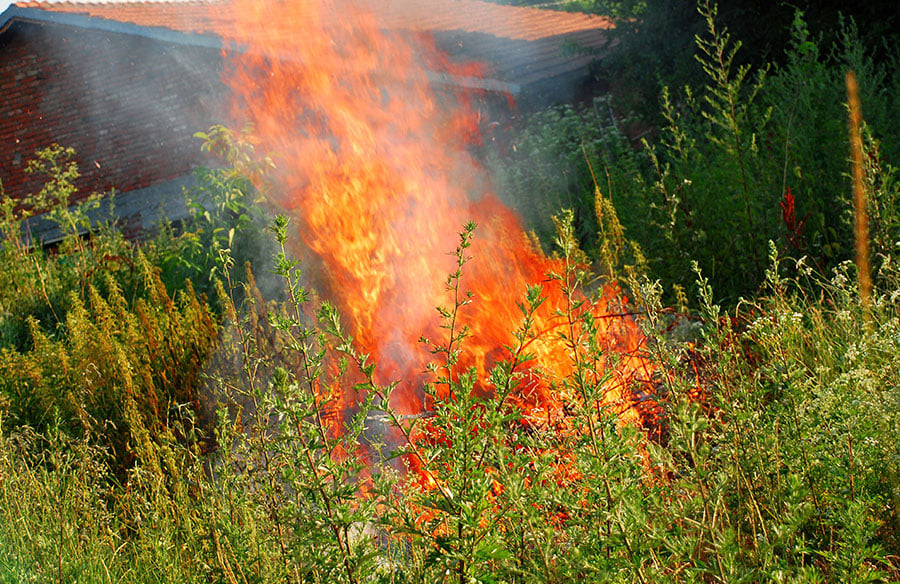
As wildfires become an increasing threat in various regions, homeowners are looking toward innovative methods to protect their properties. One such method is firescaping, a proactive approach that incorporates landscaping techniques designed to decrease fire risk. This article explores the fundamental concepts of firescaping, examines its scientific basis, offers techniques for implementation, and discusses community safety.
What is Firescaping?
Firescaping refers to the strategic design of landscapes to mitigate the risk of wildfires while maintaining aesthetic appeal. This involves selecting specific plants, arranging them thoughtfully, and creating a buffer zone around the home to protect it from encroaching flames.
The Concept of Firescaping
At its core, firescaping employs a combination of plant selection and landscape design principles to create spaces that are less likely to ignite. It melds practical fire safety techniques with beautiful outdoor spaces, allowing homeowners to enjoy their gardens without compromising safety. The design process often includes the use of fire-resistant materials for hardscaping elements, such as patios and walkways, which can further decrease the risk of fire spreading to the home. Additionally, the strategic placement of trees and shrubs can help to create natural windbreaks, reducing the intensity of flames and embers that may approach from nearby wildfires.
The Importance of Firescaping
A well-executed firescape is invaluable for safeguarding homes in fire-prone areas. Each element in a firescape plays a critical role in slowing or stopping the spread of fire. This is essential not only for the protection of individual homes but also for overall community safety. By implementing firescaping techniques, neighborhoods can collectively enhance their resilience against wildfires, leading to safer living environments for all residents. Furthermore, local governments and fire departments often recognize the benefits of firescaping, sometimes providing resources or incentives for homeowners to adopt these practices.
Moreover, firescaping contributes to environmental health by promoting the use of native plant species that are adapted to local conditions, ultimately fostering biodiversity and reducing water usage. Native plants typically require less maintenance and are more resistant to local pests and diseases, making them a sustainable choice for landscaping. In addition, the incorporation of mulch and other organic materials can help retain soil moisture, further minimizing the need for irrigation. This not only conserves water but also enhances the overall health of the ecosystem, allowing for a vibrant habitat that supports local wildlife. By embracing firescaping, homeowners can create a harmonious balance between safety and nature, ensuring that their outdoor spaces thrive even in the face of wildfire threats.
The Science Behind Firescaping
Understanding the science behind firescaping is crucial for its effective implementation. By analyzing how fire behaves and interacts with various elements of the landscape, homeowners can better design firescapes that function as effective barriers against wildfires.
How Firescaping Works
Firescaping functions on principles of fire behavior. It minimizes fuel loads, reduces the fire’s intensity, and creates defensible zones. The proper use of space, combined with the right materials, can significantly slow down the spread of fire towards structures.
This reduction in fire intensity is crucial; lower intensity fires are easier to control and less likely to damage homes. Additionally, firescaping aims to redirect flames and embers, giving homeowners and firefighters more time to react if a wildfire does occur.
Firescaping and Fire Behavior
Fire behaves according to certain scientific principles, primarily based on fuel, weather, and topography. Firescaping targets the fuel aspect, selecting non-flammable or fire-resistant plants, and ensuring ample spacing between vegetation. This strategy lessens the chances of a fire jumping from plants to structures.
Moreover, understanding the local climate and fire patterns can guide homeowners in choosing the right plants and designing their landscapes to resist wildfires effectively.
Firescaping Techniques for Home Protection
Implementing effective firescaping techniques can dramatically enhance your home’s resilience. By making strategic choices in plant selection and landscape layout, homeowners can create a protective barrier against wildfires.
Choosing Fire-Resistant Plants
Not all plants are created equal when it comes to fire resistance. Certain species possess traits that make them less likely to catch fire or produce less intense flames. Examples include:
- Succulents
- Ornamental grasses
- Herbs like lavender and rosemary
These plants not only add beauty but also serve a practical purpose in a firescape. Native plants are often a smart choice since they typically require less water and are well-adapted to local growing conditions.
Creating Defensible Space
Defensible space is a critical component of firescaping. By clearing out flammable materials and maintaining a buffer zone, homeowners help protect their properties significantly. The recommended distances for defensible spaces are:
- Zone 1: 0 to 5 feet from the structure – Keep this area clear of all combustible materials.
- Zone 2: 5 to 30 feet from the structure – Use fire-resistant plants with adequate spacing.
- Zone 3: 30 to 100 feet – Employ landscaping that decreases fire intensity, such as lower shrubs and trees.
Implementing Firescaping in Your Landscape Design
Designing a firescape requires thoughtful planning and an understanding of the unique conditions of your property. By considering both fire risk and aesthetic preferences, homeowners can create a beautiful and safe outdoor space. When planning your firescape, it’s helpful to consult with local fire safety resources and landscaping services experienced in fire-resistant design principles. These professionals can offer insight into selecting fire-resistant plants, optimizing defensible space, and incorporating fire-safe materials that suit your area’s specific fire risks.
Planning Your Firescape
The planning process includes analyzing your property’s topography, soil type, and existing vegetation. It’s essential to consult with local fire safety resources and landscape professionals to create a firescaping plan that meets your needs and adheres to local regulations.
Tools like fire maps and risk assessment forms can provide insight into the fire hazards unique to your area, further shaping your landscaping decisions.
Maintenance Tips for Your Firescape
Maintaining your firescape is crucial for ensuring its effectiveness over time. Regular tasks include:
- Trimming plants to reduce height and density
- Removing dead or flammable debris
- Inspecting irrigation systems to maintain plant health
By committing to regular maintenance, you keep your landscape safe and functional. It also fosters a lush, inviting atmosphere conducive to outdoor enjoyment.
Firescaping and Community Safety
Firescaping isn’t just an individual effort; it plays a crucial role in community-wide fire prevention strategies. The more homeowners engage in firescaping, the safer the entire area becomes.
The Role of Firescaping in Community Fire Prevention
When neighborhoods adopt firescaping principles collectively, they effectively lower the risk of wildfires spreading from one property to another. This collective effort strengthens fire resistance and can even influence local firefighting strategies.
Collaborating with Neighbors for Firescaping
Collaboration among neighbors can enhance the effectiveness of firescaping initiatives. Organizing community workshops or creating local fire safety committees can facilitate knowledge sharing and joint planning efforts for firescaping projects.
By working together, communities can promote fire-safe landscaping practices, share resources, and possibly even qualify for local grants or assistance programs aimed at enhancing community safety against wildfires.
Firescaping is more than just a landscaping trend; it’s a vital practice for protecting homes and communities from devastating wildfires. By understanding and implementing these techniques, we can not only safeguard our properties but also contribute to the larger effort of fire prevention in our neighborhoods.







