

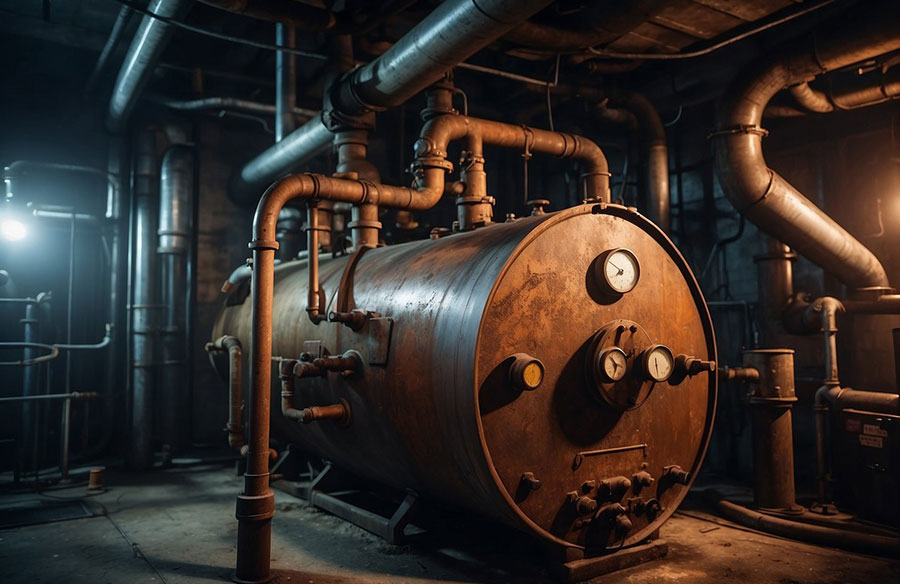
A boiler is a vital component in residential homes, providing a dependable source of heat and hot water. It operates as a part of the central heating system by heating water that circulates through radiators or underfloor heating systems to warm the interior spaces. Additionally, it serves a crucial role in heating water that is delivered to taps and showers, contributing to the overall comfort and hygiene within the home.
The function of a boiler extends beyond merely warming the water. Its design and operation are engineered to be energy-efficient and to maintain a consistent temperature throughout the home. Modern boilers are equipped with electronic controls that allow homeowners to set the desired temperature for different areas of the house, ensuring a comfortable living environment while optimizing energy usage.
Moreover, boilers come in various types, including combi, system, and conventional boilers, each with unique characteristics to fit a wide range of home sizes and hot water demands. They can operate using different fuels such as natural gas, oil, or electricity, enabling homeowners to choose a boiler that aligns with their preferences and the availability of resources in their area. The selection of a suitable boiler system is critical for achieving efficient heating and hot water supply in residential settings.
Basics of Boiler Function
Boilers are critical components in residential homes, providing the required heating through a controlled process of heat generation and transfer. They offer a reliable source of warmth and hot water, functioning through a variety of systems designed for efficiency and comfort.
Heat Generation and Transfer
In residential homes, a boiler operates by heating water to produce steam or hot water for heating purposes. This process involves a heat exchanger, which transfers the heat generated from burning fuels to the water without direct contact. Natural gas, oil, and electricity are the commonly used fuel sources for this process.
1. Combustion:
-
- Fuel is ignited in the burner.
- Heat is produced and directed to the heat exchanger.
2. Heat Transfer:
-
- Heat exchanger warms up the water.
- Circulation: Hot water or steam is circulated through pipes and radiators to distribute heat throughout the home.
3. Exchange Medium:
-
- Steam systems: Steam travels through the system, condenses, and returns to the boiler to be reheated.
- Hot water systems: Water is recirculated back to the boiler for reheating.
Types of Residential Boilers
Residential boilers can be categorized based on the type of heating system they support and the method by which they transfer heat. The two common types include:
Conventional Boilers: Also known as traditional, regular, or heat-only boilers. These have a separate hot water cylinder and use a cold water storage tank, typically found in older homes.
Combi Boilers (Combination Boilers): These provide on-demand heating and hot water without the need for a separate tank, suitable for smaller homes with less space.
Operational Aspects
Boilers in residential homes are intricate systems, specifically designed to produce heat by boiling water and distributing the resultant steam or hot water for heating purposes. The operational aspects of these systems are multifaceted, encompassing various types of fuel sources, sophisticated control mechanisms, and essential maintenance and safety protocols.
Fuel Sources
Boilers may be powered by a range of fuel sources depending on availability and homeowner preference. The primary fuels include:
- Natural Gas: Commonly used due to its cost-effectiveness and efficiency.
- Oil: Requires an on-site storage tank, less common due to higher costs.
- Electricity: Used in areas where gas is not available, though often more expensive.
- Renewable Energy Sources (such as Biomass Pellets): Gaining popularity for their lower environmental impact.
Boiler Control Systems
Boiler control systems are crucial for efficient operation and include thermostats and zone controls:
- Thermostats: Regulate the overall temperature of the home.
- Programmable Thermostats: Allow scheduling of temperatures for different times of the day.
- Zone Controls: Enable heating of individual areas or “zones” within the home.
Maintaining ideal temperatures and maximizing energy efficiency are direct outcomes of these sophisticated control systems.
Maintenance and Safety
Routine maintenance and safety checks are vital to ensure the longevity and safe operation of a boiler:
- Annual Servicing: Should be performed by a certified technician to check for any issues.
- Pressure Relief Valve: Must be tested periodically to prevent over-pressurization.
- Air Vents and Flues: Need regular inspection to ensure they are not blocked.
These steps help prevent carbon monoxide leaks and other hazardous situations, safeguarding the occupants of the home.
Hire Only an Experienced, Trained Team for These Services
A well-maintained boiler operates more efficiently, saving you money on fuel costs and reducing your carbon footprint. Professional teams that offer New Rochelle boiler services have the expertise to fine-tune your system, ensuring it runs at peak performance. Professionals have the necessary training, experience, and tools to ensure that your boiler operates safely and efficiently.
For safety, compliance, efficiency, and long-term cost savings, it is essential to rely on professional and reputable boiler service providers







