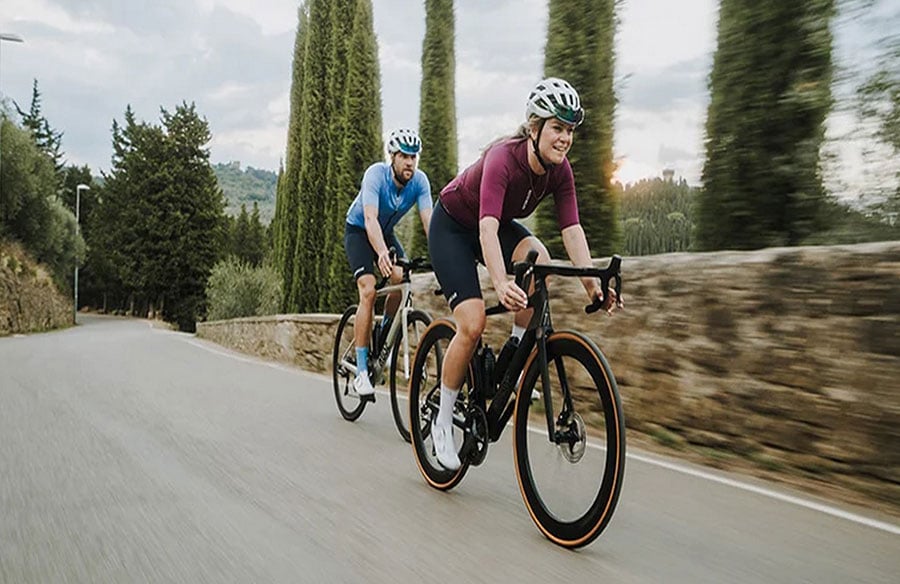
Cycling has become more than just a form of transportation or exercise—it’s a lifestyle. Whether you’re a beginner or an experienced rider, having the right cycling clothing and apparel can make all the difference in your performance, comfort, and overall experience. In this guide, we’ll cover everything you need to know about choosing the best cycling gear for your needs.
Why Cycling Apparel Matters
Many people underestimate the importance of wearing the right clothing when cycling. However, cycling apparel is specifically designed to improve performance, offer protection, and ensure comfort during rides. It’s not just about looking good on the bike; it’s about being prepared for various conditions and enhancing your overall cycling experience.
Performance and Comfort
Cycling clothing is tailored to reduce wind resistance, support muscle performance, and keep your body at an optimal temperature. For instance, materials like Lycra and polyester are used because they are moisture-wicking and breathable, keeping you dry and cool during intense rides. Proper cycling shorts come with padded inserts (chamois) to provide extra cushioning and reduce friction on long-distance rides.
Weather Protection
Whether you’re riding under the sun or braving a cold, rainy day, your cycling gear plays a crucial role in keeping you protected from the elements. Apparel like windproof jackets, thermal bib tights, and waterproof gloves can make a world of difference when riding in challenging weather conditions.
Essential Cycling Clothing Items
1. Cycling Jerseys
A good cycling jersey is the foundation of your riding wardrobe. They are designed to be lightweight and breathable,; jerseysoften feature front zippers for ventilation and pockets for storing essentials. They come in short-sleeve, long-sleeve, and sleeveless versions, depending on the weather.
2. Cycling Shorts and Bibs
Cycling shorts are essential for reducing friction and providing comfort. Look for shorts with quality chamois to prevent saddle sores during long rides. Bib shorts, which come with straps, help keep the shorts in place without digging into your waist, offering additional comfort and stability.
3. Cycling Jackets
For colder or wet conditions, a cycling jacket is a must-have. A windproof or waterproof jacket protects you from the elements, while breathable fabrics ensure you don’t overheat. Jackets designed for cycling typically have a snug fit to reduce drag and allow freedom of movement.
4. Cycling Gloves
Gloves protect your hands from the cold, reduce fatigue, and improve your grip on the handlebars. Summer gloves are lightweight and breathable, while winter gloves are insulated to keep your hands warm in low temperatures.
5. Cycling Socks and Shoes
Socks may seem like a minor detail, but cycling-specific socks are designed to wick away moisture and keep your feet dry. Cycling shoes, on the other hand, are designed to attach to your bike’s pedals via cleats, providing more power to your pedal strokes and ensuring better control.
6. Helmets
No cycling kit is complete without a helmet. While not technically apparel, helmets are the most important safety item a cyclist can wear. Look for a helmet with a comfortable fit and ventilation for long rides.
Tips for Choosing the Right Cycling Apparel
1. Fit Is Key
Cycling clothing should have a snug fit to reduce wind resistance and prevent fabric from flapping in the wind. However, it shouldn’t be too tight. Look for apparel with some stretch to allow for freedom of movement. Women’s and men’s cycling clothing often differ in terms of fit, so choose accordingly.
2. Consider the Weather
When selecting cycling apparel, always consider the weather conditions. For summer rides, opt for lightweight, breathable fabrics, while for winter cycling, look for thermal and waterproof layers to stay warm and dry.
3. Quality Over Quantity
Investing in high-quality cycling gear may seem like a big upfront cost, but the durability and comfort it provides are well worth it in the long run. High-performance fabrics and well-constructed items tend to last longer, making them a better investment than cheaper alternatives.
4. Reflectivity for Safety
If you often cycle during early mornings or late evenings, visibility is key. Look for apparel with reflective elements to increase your visibility to motorists and pedestrians. Many brands now offer jerseys, jackets, and shoes with built-in reflective materials for added safety.
How to Care for Your Cycling Apparel
Cycling gear is an investment, and taking care of it ensures it lasts longer. Always follow the care instructions provided by the manufacturer. Generally, avoid high temperatures when washing and drying, and steer clear of fabric softeners as they can reduce the performance of technical fabrics.
Here are some general care tips:
- Wash after every ride: Sweat can damage the fabric over time, so it’s important to wash your gear regularly.
- Use a gentle detergent: Opt for a detergent that’s suitable for technical fabrics.
- Air dry: If possible, avoid using the dryer and let your cycling clothes air dry to prevent damage from heat.
Final Thoughts on Cycling Apparel
Whether you’re preparing for a weekend ride or a competitive race, having the right cycling clothing can significantly impact your performance and comfort. From moisture-wicking jerseys to padded bib shorts and reflective jackets, each piece of cycling apparel serves a specific purpose. Take the time to choose gear that fits well, suits your riding style, and keeps you comfortable in any weather conditions.
With the right cycling gear, you can focus on enjoying the ride and pushing your limits, knowing that you’re prepared for anything the road throws your way.