

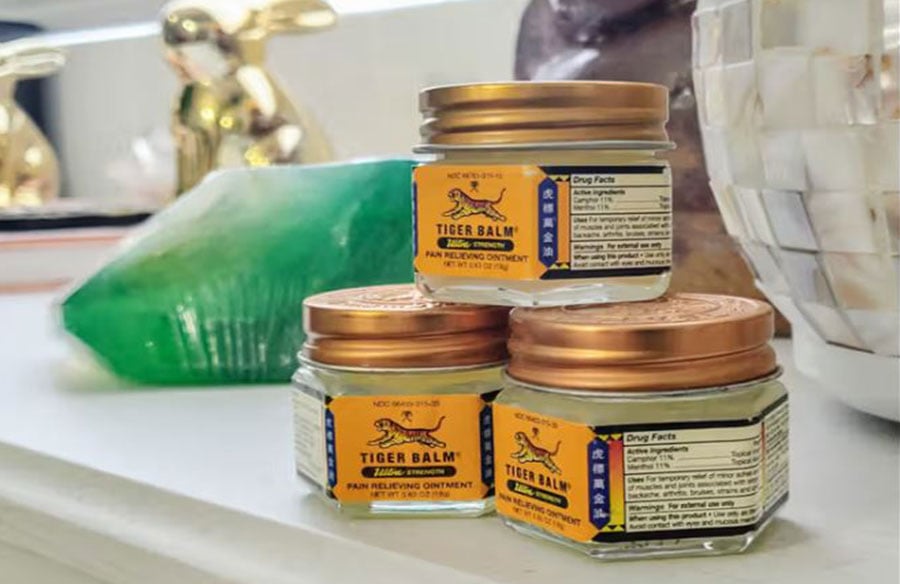
Tiger Balm has been a trusted name in pain relief for over a century, renowned for its ability to soothe muscle aches, joint pain, headaches, and even congestion. This iconic balm, with its blend of menthol, camphor, and essential oils, has been a staple in households across Asia and other parts of the world. However, despite its widespread popularity, Tiger Balm has faced legal restrictions in some regions due to ingredient concerns and regulatory challenges.
In this article, we’ll explore why Tiger Balm has come under scrutiny, compare its formula to other products like Medistik, and examine the risks associated with its ingredients.
The Ingredients Behind Tiger Balm’s Legal Restrictions
The key to Tiger Balm’s effectiveness lies in its active ingredients, particularly camphor and methyl salicylate. These components are commonly used in pain relief products like pain relief sprays and topical balms, but they are also the source of Tiger Balm’s regulatory challenges.
Camphor: A Controversial Component
Camphor, one of Tiger Balm’s main ingredients, is responsible for its cooling and pain-relieving effects. However, camphor can be toxic in high concentrations, especially when ingested or applied in large amounts to the skin. Regulatory agencies like the U.S. Food and Drug Administration (FDA) have set strict limits on the concentration of camphor allowed in over-the-counter products.
In the U.S., for example, products containing more than 11% camphor are prohibited, which has led to the restriction of certain formulations of Tiger Balm in the country. Excessive exposure to camphor can result in side effects such as seizures, nausea, and respiratory issues, particularly in children and people with sensitive skin.
This has prompted regulatory bodies to impose limits to protect consumers, even though Tiger Balm, when used as directed, is generally safe.
Methyl Salicylate: The Double-Edged Sword
Another major component of Tiger Balm is methyl salicylate, commonly known as wintergreen oil. While this ingredient helps provide the balm’s signature warming effect and soothes sore muscles, it poses risks if applied in large quantities or used excessively.
Similar to camphor, methyl salicylate is regulated due to its potential toxicity. Overuse can lead to salicylate poisoning, which can be dangerous, especially for children or people with pre-existing medical conditions. Some countries have placed restrictions on the amount of methyl salicylate allowed in topical pain relief products, contributing to Tiger Balm’s limited availability in those regions.
The Regulatory Landscape: Why Some Countries Ban Tiger Balm
The legal restrictions surrounding Tiger Balm are primarily driven by health and safety concerns associated with its key ingredients. Countries like the U.S. and certain parts of Europe have stringent regulations that limit the amount of camphor and methyl salicylate in over-the-counter products.
In addition to ingredient limitations, there are also concerns about labeling and marketing. In some regions, Tiger Balm has faced challenges because its claims to relieve various ailments (from headaches to arthritis) are seen as too broad, requiring additional evidence or adjustments to its labeling.
This is where the debate gets interesting: while Tiger Balm is widely regarded as safe when used properly, regulatory bodies are tasked with protecting public health, and any product that poses potential risks must adhere to strict guidelines.
Medistik vs Tiger Balm: A Safer Alternative?
In the ongoing debate about the safety and effectiveness of topical pain relief products, Medistik has emerged as a contender. Medistik, a Canadian-made product, is designed for athletes and individuals suffering from chronic pain. It also contains menthol and methyl salicylate, but in different concentrations compared to Tiger Balm.
When comparing Medistik vs Tiger Balm, Medistik offers a higher concentration of active ingredients like menthol and is available in both a roll-on stick and pain relief spray form, allowing for easier application over larger areas of the body. Additionally, Medistik is subject to the same regulatory oversight as other pain relief products but has managed to avoid the legal issues that have plagued Tiger Balm due to its formulation and packaging.
For individuals looking for a product that delivers fast relief without the regulatory baggage, Medistik may be a better option, especially for those living in countries where Tiger Balm is restricted.
Are Pain Relief Sprays a Safer Option?
While traditional balms like Tiger Balm have been the go-to for pain relief for decades, modern options like pain relief sprays have gained popularity for their ease of use and quick absorption. Pain relief sprays, including those made by Medistik, typically contain ingredients like menthol and methyl salicylate, similar to Tiger Balm, but are formulated to be less greasy and easier to apply to hard-to-reach areas.
One of the main advantages of pain relief sprays is that they provide localized pain relief without the mess of a balm. Additionally, sprays can be applied more precisely, reducing the risk of overuse or toxicity, making them a safer option for individuals concerned about ingredient risks.
Conclusion: Understanding the Legal Debate
Tiger Balm’s legal challenges stem from concerns about ingredient safety and regulatory compliance. While its long-standing reputation as a pain relief remedy is well-deserved, the presence of potentially harmful ingredients like camphor and methyl salicylate has led to restrictions in certain regions.
In the comparison of Medistik vs Tiger Balm, Medistik offers a modern alternative with similar pain-relieving benefits but fewer regulatory concerns, making it a viable option for consumers looking for safe, effective relief. Meanwhile, pain relief sprays are also worth considering for those seeking convenience and safety.
As always, it’s important to read labels, follow instructions, and consult with a healthcare provider if you have any concerns about using these products.







