

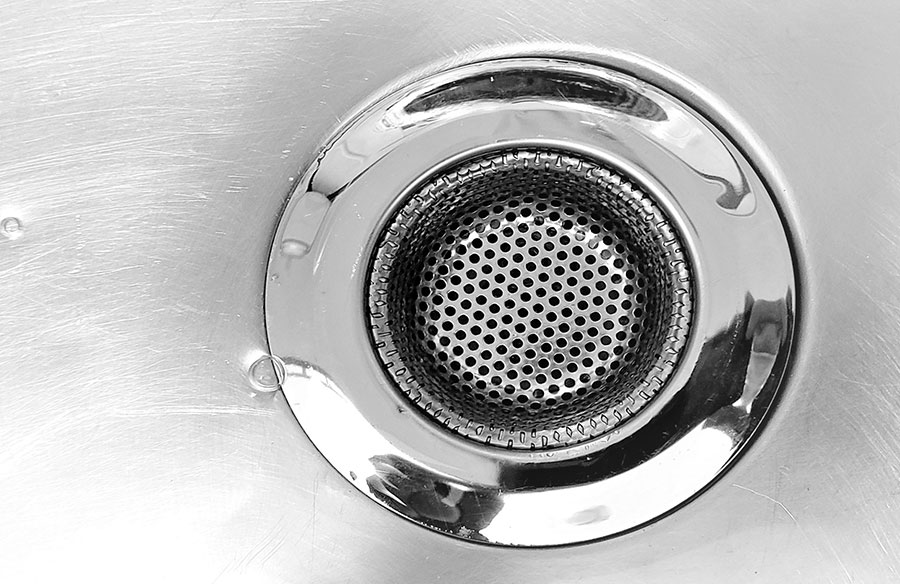
Clogged drains are a common nuisance in many households across the nation. Imagine arriving home after a long day, looking forward to a relaxing evening, only to find water pooling ominously in your sink, signaling yet another drainage issue. This need not be your reality.
If the fundamentals of preventing drain blockages are grasped, you empower yourself to maintain a smoothly functioning household and protect one of your most significant investments – your home.
Understanding Drain Blockages
Drain blockages can often be seen as a common household nuisance that requires timely attention and care. Everyday activities, from cooking to showering, can lead to grease, hair, and debris conglomerating in your pipes, impeding water flow. This knowledge equips you with the foresight necessary to protect your home’s plumbing infrastructure, and in cases where regular maintenance isn’t enough, Sewer Drain Jetting can be an effective solution to clear even the toughest blockages.
Fortunately, there are numerous signs of a looming blockage that can be identified early. By being observant of slow-draining water, strange odors, and gurgling sounds coming from your drains, you can initiate interventions to avert disaster, ensuring continued efficiency in your household.
The knowledge that comes with understanding drain blockages powerfully positions you to implement preventative strategies. These strategies might include regular cleaning, mindful disposal practices, or the use of strainers to catch refuse before it enters your plumbing system.
Common Causes of Blocked Drains
Blocked drains can arise from a variety of everyday activities, often leading to frustration and costly repairs if not addressed promptly. Understanding the root causes of these issues is essential for homeowners looking to maintain a smoothly functioning plumbing system.
Taking proactive steps to address these potential causes early can save time, money, and stress, ensuring your drains remain clear and efficient.
Hair Accumulation
Hair’s propensity to bind with soap, a veritable ally of obstruction, makes hair accumulation insidious. Addressing this early can prevent it from maturing into a formidable plumbing adversary.
Regular cleaning and installation of a drain screen can help mitigate issues related to “hair nests.” Catching hair at its source minimizes its potential to cause household disruptions.
In-depth solutions include adopting the habit of brushing hair before showers to reduce fallout, while specialized drain tools promise an added layer of defense. This proactive stance ensures a seamless plumbing experience and a home that thrives without complacency.
Food Waste and Grease
Preventing drain blockages begins with being mindful of food waste and grease disposal. These substances can create significant obstacles in plumbing systems.
Here’s how you can effectively manage food waste:
- Avoid pouring grease: Always dispose of cooking grease in a sealable container before discarding it in the trash.
- Use a sink strainer: Catch food particles before they enter the drain.
- Compost food waste: Instead of rinsing scraps down the sink, funnel them into a compost bin.
- Run hot water: After use, flush the drain with hot water to clear residual grease.
- Install garbage disposal: This device can help break down remnants that might escape a strainer.
Foreign Objects
Toys, hair accessories, large paper debris, and personal hygiene items could become a source of significant blockage if allowed into the plumbing system. Awareness and vigilance prevent headaches, discomfort, and the hassle of drain repair.
Implement simple rules designed to keep foreign objects out of drains by educating every member of the household on the importance of mindful disposal practices. Be it young family members or guests, instill an attitude of “protection first” when interacting with your plumbing infrastructure.
Preventing Drain Blockages: Best Practices
Maintaining a healthy plumbing system requires a combination of mindful habits and regular upkeep. By implementing preventive measures, homeowners can significantly reduce the likelihood of blockages and avoid the inconvenience of clogged drains.
Taking the time to adopt effective practices not only preserves the functionality of your pipes but also saves you from the potential costs of emergency repairs. The following strategies will help ensure that your drains remain clear and trouble-free for the long term.
Regular Maintenance Tips
Regular maintenance is key to preventing drain blockages and minimizing the risk of unexpected plumbing issues. Consistent attention to your drains can keep everything running smoothly.
Here are some tips for maintaining your system:
- Inspect drainage areas frequently: Regularly check your drains for any inconsistencies or early signs of blockages.
- Install strainers in sinks and showers: Place strainers over kitchen and bathroom drains to catch food particles, hair, and other debris before they enter the pipes.
- Clean strainers regularly: Routinely remove debris from the strainers to keep them functioning effectively.
- Perform periodic hot water flushes: Run hot water down the drain to clear away any lingering residues that may cause clogs over time.
- Schedule annual professional inspections: Hire a professional to inspect your plumbing system annually. Experts can detect hidden problems and address them before they escalate.
Installing Drain Guards
In essence, drain guards act as vigilant sentinels, intercepting solid particles such as hair, soap, and food waste before they enter your pipes. By capturing these potential culprits early, drain guards serve as frontline defenders, safeguarding against more serious clogs and expensive repairs.
To ensure optimal performance, select guards specifically designed for your drain types, whether they be kitchen sinks, shower drains, or bathroom sinks. This tailored approach maximizes their effectiveness, offering a custom-fit solution to an array of possible clogging scenarios you might face.
Installation is typically straightforward, requiring minimal tools and skills. Even without extensive plumbing expertise, most homeowners can successfully install drain guards, which are readily available at home improvement stores.
Proper Disposal of Waste
Understanding proper disposal of waste is crucial in preventing drain blockages and maintaining a healthy plumbing system in your home.
Here’s how you can properly manage waste disposal:
- Dispose of Grease Wisely: Allow cooking oils to cool, then transfer them to a sealed container before disposal in the trash.
- Compost When Possible: Vegetable peelings, fruit scraps, and coffee grounds are best suited for composting, not your kitchen sink.
- Avoid Flushing Wipes: Even “flushable” wipes can cause blockages; dispose of them in the trash instead.
- Use Sink Strainers: These prevent large particles from entering the drain, further reducing the risk of a blockage.
- Educate Household Members: Share these practices with everyone to ensure consistent adherence to proper waste disposal.
Using Natural Drain Cleaners
Many homeowners are turning to natural drain cleaners as eco-friendly alternatives that effectively clear drains without harming plumbing systems or the environment.
Here are some natural options you can use:
- Baking Soda and Vinegar: Combine half a cup of baking soda with a cup of vinegar. Let the mixture fizz and pour it down the drain. After 15 minutes, rinse with hot water to clear the build-up and neutralize odors.
- Salt and Hot Water: Pour a mixture of half a cup of salt followed by boiling water down the drain. This can help break down grease and grime buildup.
- Lemon Juice and Baking Soda: The acidity of lemon juice combined with baking soda creates a natural cleaner that also leaves a fresh scent. Pour half a cup of baking soda followed by half a cup of lemon juice, then rinse with hot water after a few minutes.
- Borax and Hot Water: Mix a tablespoon of borax with boiling water and pour it down the drain to help dissolve grime and sanitize your pipes.
The Impact of Blocked Drains on Plumbing
Firstly, the obstruction of drainpipes can lead to a backflow of wastewater, which poses serious health risks and extensive damage. Besides the unpleasantness of foul odors, backflow can result in water damage that may compromise the integrity of household structures.
Secondly, blocked drains exert an extra load on plumbing systems. As pressure builds, the risk of leaks increases, which may require costly repairs or even replacement if left unaddressed, adding to the urgency of preemptive maintenance.
By investing in proactive strategies for preventing drain blockages, homeowners not only safeguard their plumbing system but also enhance their living conditions. Regular maintenance and mindful practices can significantly reduce the likelihood of encountering these issues.
When to Call a Professional
When persistent drain issues arise or initial fixes don’t resolve the problem, it’s time to consider expert intervention. Professional plumbers possess the specialized equipment and expertise essential for tackling tough blockages.
They can accurately diagnose and address underlying plumbing problems that might be elusive to a homeowner’s eye. These professionals bring advanced techniques, leveraging technology and industry knowledge to clear stubborn clogs effectively.
Furthermore, employing a professional ensures peace of mind as they offer a thorough inspection to identify any hidden concerns. This proactive step can prevent future issues that could escalate into costly emergencies, making it a wise investment. Remember, expert guidance can be the “a stitch in time” that averts significant disruption.







