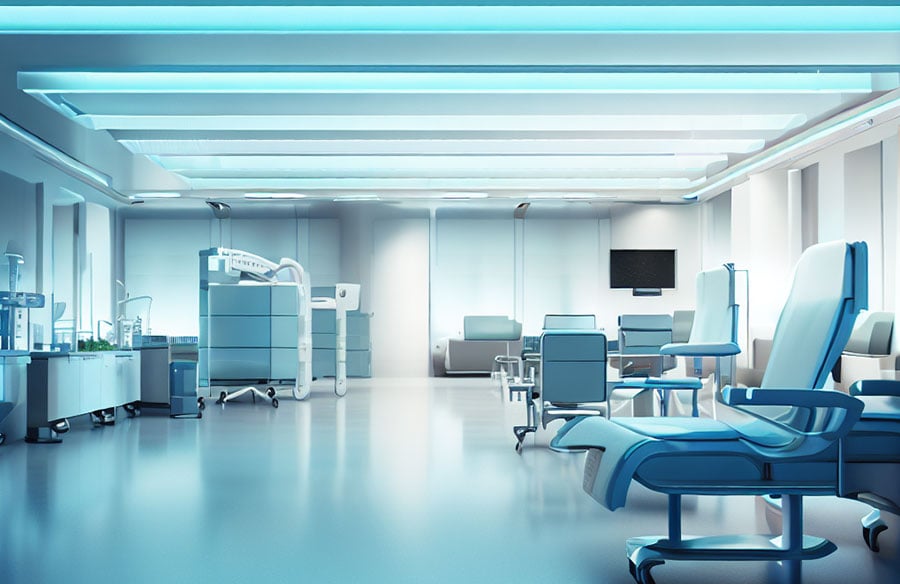
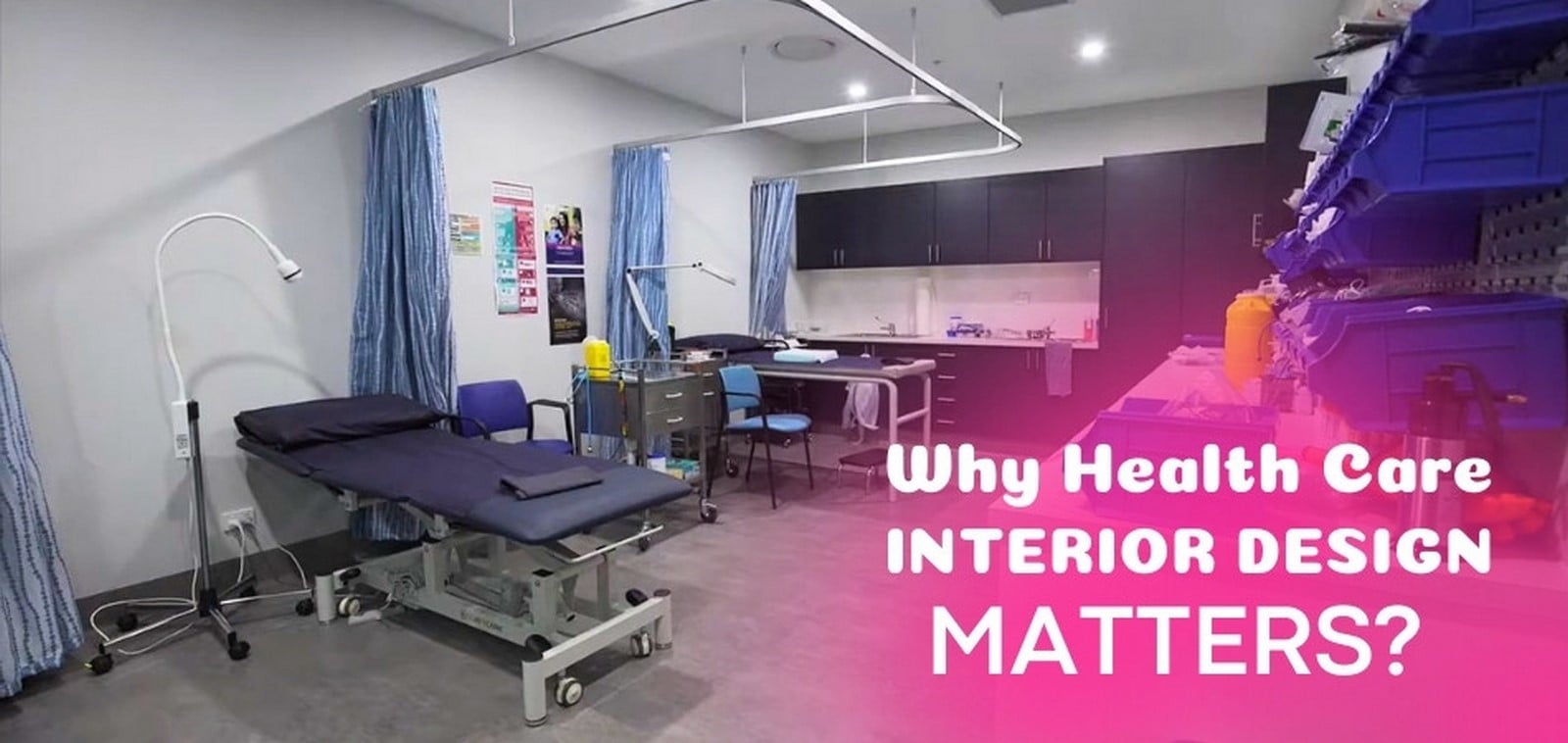
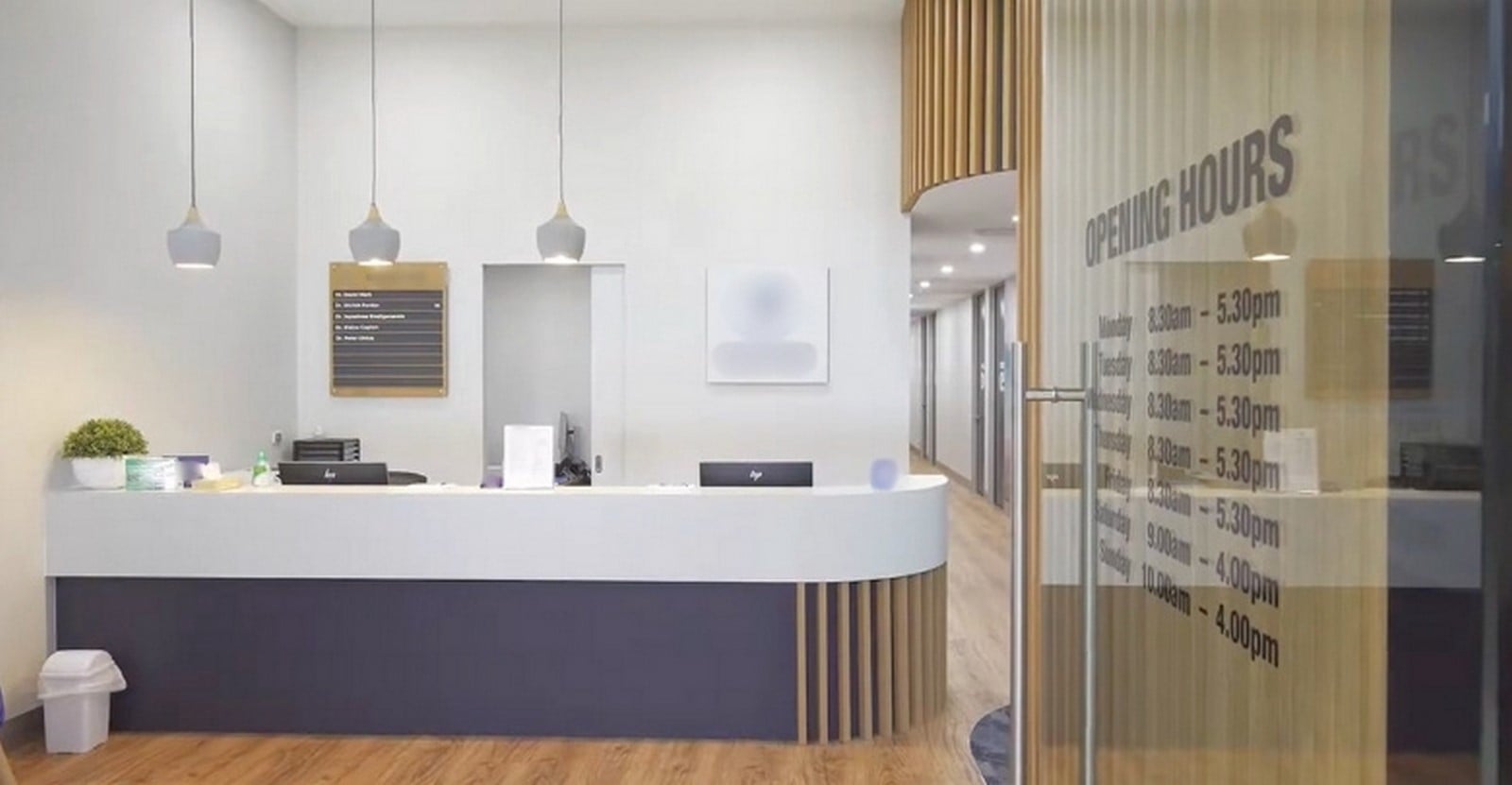
A health care organization plays a significant role in ensuring the well-being of individuals by providing medical treatments, preventive care, and recovery support so that people can be as healthy as possible. Beyond medical procedures, the environment where care is delivered significantly impacts patients and staff.
Health care interior design enables these spaces to be both functional and comfortable. Because of this, it is essential to know “Why health care interior design matters: From functionality to healing.”
Healthcare interior design matters because it optimizes functionality, facilitates medical processes, and improves healing. It has been designed to reduce stress, improve patient outcomes, and increase employee morale.
The purpose of this article is to show how interior design can transform healthcare environments by combining functionality and healing. Read on to discover how it does so.
Components of Effective Healthcare Interior Design
Strategic interior design is essential for designing environments that promote healing and improve healthcare efficiency. This approach involves various components that contribute to effective spaces where health and well-being are prioritized. Here’s a detailed look at healthcare interior design essentials:
Functional Layouts: Spaces are designed for smooth operations and accessibility. Efficient flow reduces staff fatigue and maximizes patient care.
Calming Color Schemes: Soft, soothing colors promote relaxation and reduce stress. They create a peaceful atmosphere essential for recovery.
Durable Materials: Surfaces and furnishings are selected for longevity and ease of cleaning. This consideration ensures safety and maintains hygiene standards.
Adaptable Furniture: Pieces are versatile and ergonomic to accommodate different patient needs. Comfort and functionality are key in their design.
Natural Elements: Incorporating plants and natural light boosts mood and health. These features connect patients to the outside world, aiding recovery.
Sound Acoustics: Noise control is important in reducing stress and protecting privacy. An effective acoustics system supports a peaceful and healing environment.
Wayfinding Solutions: Clear signage helps patients and visitors find spaces easily. This reduces anxiety and raises the overall experience.
Technology Integration: Modern tech solutions are smoothly incorporated for better care delivery. This includes telehealth facilities and electronic health records.
Why Health Care Interior Design Matters: From Functionality to Healing
Healthcare is a dynamic industry where the design of interior spaces is just as important as the quality of medical care provided. Besides pleasing to the eye, these designs have a profound impact on patient recovery and staff efficiency. Here is why interior design is crucial to the healing process in health care:
Optimizing Patient Comfort and Well-Being
Interior design directly impacts how patients feel during their hospital stay. Comfortable furniture and calming colors create a more inviting atmosphere. Natural lighting and soothing décor reduce anxiety, leading to faster recovery times. For patients, a well-designed space promotes calm and relaxation.
It is possible to improve patient satisfaction by creating spaces that feel safe and welcoming. Patients feel more at ease when their surroundings are designed thoughtfully. Interior design that is customized to their needs improves their overall experience. This eventually supports the healing process in meaningful ways.
Boosting Staff Efficiency and Productivity
Smart interior design benefits health care staff greatly. A well-organized layout reduces unnecessary movement and fatigue. Efficient spaces make it easier for staff to access the necessary tools and equipment. This enables quicker, more effective care delivery and better job satisfaction.
Effective design also improves communication among team members. Spaces designed for collaboration encourage teamwork and help simplify operations. Well-placed workstations allow for smooth workflows, which improves overall staff morale. It is easier for staff to provide quality care to their patients when they are happy and supported.
Supporting Functional Design for Medical Equipment
Health care spaces must accommodate the constant use of complex medical equipment. It is essential to design devices in such a way that they are accessible, yet unobtrusive. Hospitals require spaces where equipment can be easily stored, cleaned, and maintained. Thoughtful design ensures this without sacrificing patient comfort.
Proper layout minimizes clutter and improves safety for patients and staff. Clear pathways ensure safe and efficient transport of equipment when necessary. Built-in features, such as adjustable lighting and ergonomic workstations, make equipment use easier. This promotes both functionality and aesthetics.
Promoting Infection Control and Safety
Infection control remains one of the highest priorities in health care facilities. Thoughtful interior design ensures easy cleaning and sanitation. Smooth, non-porous materials reduce the risk of bacterial growth and transmission. Designers choose fabrics and surfaces that resist stains and germs, promoting a safe environment.
Proper ventilation systems and well-placed hand sanitation stations further contribute to safety. By integrating these features smoothly into the design, patient safety becomes part of the natural environment. Safety concerns no longer feel intrusive, as the space functions to protect everyone. Patients and staff feel secure in a well-designed health care facility.
Reducing Stress Through Natural Elements
Natural elements are beneficial to both patients and staff in health care design. Views of nature, indoor plants, and natural light reduce stress and contribute to overall well-being. Incorporating these elements creates a soothing, calming atmosphere that promotes healing.
The connection to nature improves mood and even physical health in subtle ways. Natural elements encourage relaxation and a sense of peace, essential for recovery. In addition to aesthetic appeal, nature-inspired design improves indoor air quality. Patients recover faster when they feel connected to nature.
Improving Patient Navigation and Way finding
Patients and visitors often struggle with getting around large health care facilities. Clear, effective way finding design helps reduce confusion and anxiety. Easy-to-read signage and simple layouts guide people efficiently through complex spaces. This not only improves their experience but also saves valuable time for everyone involved.
Strategic placement of color-coded signs and visual cues aids navigation. A well-designed space allows for easier movement, ensuring patients feel confident. This focus on design reduces stress and increases patient satisfaction overall. Hospitals feel more welcoming and accessible when navigation is simple.
Facilitating Accessibility for All
Effective health care interior design relies heavily on accessibility. Every patient should have easy access to care facilities, regardless of their physical abilities. Ramps, wide doorways, and accessible restrooms are just a few features that make this possible. The goal is to ensure that everyone moves freely and safely.
Special attention is paid to features like elevators and adjustable beds that accommodate various needs. Non-slip floors and handrails in hallways and bathrooms raise safety for everyone. By considering diverse needs in design, facilities become inclusive. This approach ensures that no patient faces additional stress due to accessibility issues.
Improving Healing Through Color Psychology
Color psychology plays a significant role in health care interior design. Certain colors can evoke calm and relaxation, which is key in healing environments. Blues and greens are often used for their soothing effects on the mind and body. These colors help reduce anxiety and promote a sense of well-being.
Conversely, vibrant colors like yellow and orange can energize spaces and stimulate mental activity. These are useful in areas requiring alertness, such as gyms and activity centers in health care facilities. Careful selection and placement of colors can raise mood and cognitive functions. Designing with color psychology in mind optimizes the therapeutic potential of a space.
How to Balance Functionality and Aesthetics in Health Care Design?
Balancing functionality and aesthetics in health care design is crucial for creating effective healing environments. A well-designed space enhances patient experiences while ensuring operational efficiency. Here’s a step-by-step process to achieving this balance:
Step 1: Assess Needs and Workflow Requirements
The design process is based on a deep analysis of operational needs. Designers collaborate with medical staff to ensure layouts enhance workflows. Identifying traffic flow and key touchpoints prevents bottlenecks. The creation of functional spaces improves the efficiency of care delivery from the beginning.
Step 2: Prioritize Safety Without Compromising Style
Safety features, such as handrails and non-slip flooring, remain essential in care environments. Aesthetic elements can smoothly integrate with safety measures for a well-balanced design. Materials are chosen not just for durability but also for their visual appeal. This combination ensures both safety and beauty coexist.
Step 3: Incorporate Nature-Inspired Elements
Natural materials and elements, like wood accents and greenery, add aesthetics and promote relaxation. Large windows providing natural light support both visual appeal and healing. Nature-inspired designs reduce stress and improve indoor air quality. These elements connect patients and staff to the outdoors.
Step 4: Choose Colors with Purpose
Thoughtful color schemes contribute to a welcoming atmosphere. Soothing tones bring calm, while bright shades energize functional spaces. Designers use color strategically to suit each room’s purpose. This approach creates inviting and purposeful environments.
Step 5: Integrate Technology Invisibly
Health care spaces benefit from the easy integration of advanced technology. Designers utilize tech solutions, such as digital screens and automated systems, within the design. This keeps the space modern without overwhelming aesthetics. Smart layouts prevent technology from becoming inconvenient.
Step 6: Adapt Design for Future Needs
Flexibility allows spaces to evolve with changing health care requirements. Modular furniture and adjustable layouts accommodate upcoming technologies or protocols. Forward-thinking design ensures long-term functionality without sacrificing visual appeal. Space adaptation reduces the need for constant renovations.
Achieving a balance between functionality and aesthetics in health care design requires careful consideration and planning. By following these steps, patients and staff will enjoy an effective and visually pleasing environment.
The Future of Health Care Interior Design: Trends and Innovations
The design of healthcare interiors has advanced rapidly to meet the needs of patients and staff. Innovations and emerging trends aim to create healing spaces, improve functionality, and increase overall experience. Here are some trends shaping this field in the coming years:
Biophilic Design for Healing
Biophilic design connects people to nature, which significantly affects their emotional well-being. Natural elements like plants and sunlight reduce stress and anxiety in patients and staff. Incorporating outdoor views, greenery, and water features creates a calming atmosphere. This trend will continue to shape future health care interiors to support holistic healing.
Smart Technology Integration
Smart technology revolutionizes health care spaces by improving efficiency and patient care. Touchless controls, digital check-ins, and telehealth facilities simplify operations and increase patient safety. Automated lighting and temperature control increase comfort while saving energy. This type of innovation will be a key discussion point at different international events such as the upcoming healthcare conference in Canada, which will promote further integration. These discussions aim to encourage collaboration among global healthcare leaders, driving advancements in patient care and technological solutions.
Flexible and Adaptive Spaces
Hospitals require spaces that can easily adapt to changing needs and patient volumes. Flexible room configurations are made possible by movable walls and modular furniture. This adaptability ensures that facilities can quickly grow with technological advancements. Future health care interiors will focus more on versatility to meet dynamic demands.
Improved Focus on Patient-Centered Design
Patient-centered design focuses on creating environments that prioritize comfort, privacy, and healing. Thoughtful layouts improve the patient experience, making health care settings feel more welcoming. Personalization options, such as adjustable lighting, provide a sense of control and comfort. This trend promotes well-being by creating spaces tailored to individual needs.
Sustainable and Eco-Friendly Materials
Sustainability is becoming a key focus in health care interior design. Designers opt for eco-friendly materials that minimize environmental impact. Recycled materials, energy-efficient lighting, and water-saving systems contribute to greener facilities. Future designs will increasingly prioritize sustainability while maintaining aesthetics and functionality.
Mental Health Spaces
Mental health spaces are becoming a critical part of health care interior design. Quiet rooms and sensory spaces offer patients a place to decompress. These spaces are designed to reduce anxiety and promote emotional well-being. Future health care interiors will likely include more dedicated mental health zones for holistic care.
Bottom Line
The significance of health care interior design is visible in both patient recovery and staff efficiency. Whether it’s optimizing space to reduce stress or integrating natural elements to promote wellness, every detail matters. Figuring out why health care interior design matters: from functionality to healing highlights the profound effect that the environment has on healing processes.
According to what we have discussed so far, functional designs enhance medical care delivery, whereas calm aesthetics support recovery, demonstrating the importance of thoughtful interior design in health care environments. In this way, the synergy between functionality and healing not only improves morale, but also ensures a higher standard of patient care, paving the way for the future of healthcare.
Rethinking The Future (RTF) is a Global Platform for Architecture and Design. RTF through more than 100 countries around the world provides an interactive platform of highest standard acknowledging the projects among creative and influential industry professionals.
We use cookies to ensure that we give you the best experience on our website. If you continue to use this site we will assume that you are happy with it.