

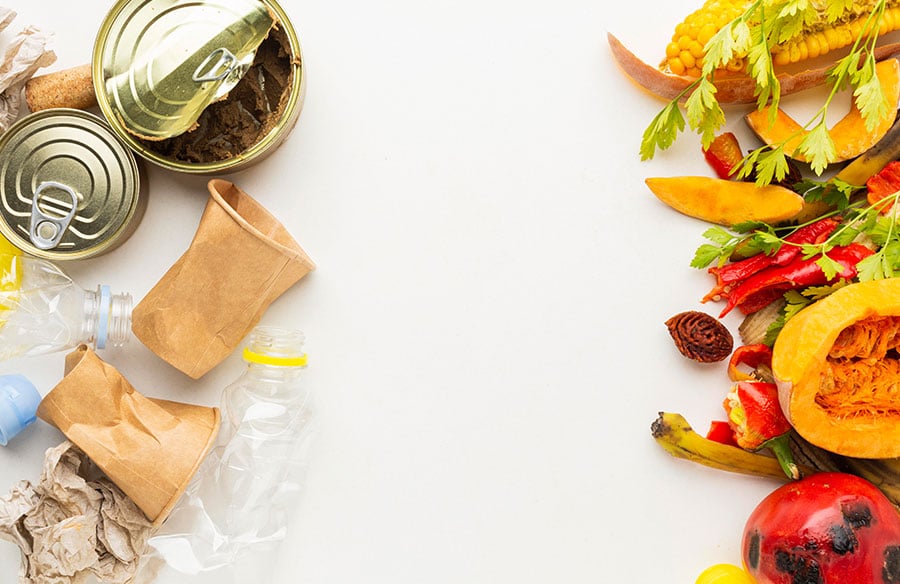
Food waste is a critical issue that not only hurts our budgets but also has severe environmental effects. Studies show that around one-third of the food produced worldwide is wasted, adding to greenhouse gas emissions and depleting natural resources. Fortunately, there are several useful techniques you can do at home to reduce food waste and make the most of your grocery budget.
Here are some practical suggestions for cutting down on food waste in your kitchen, along with information on how organizations that promote sustainable practices, such as The Bin Lift, a top garbage disposal company in Qatar, do so.
1. Plan Your Meals
Create a Weekly Menu
Plan your meals for the coming week in advance of going to the grocery shop. By detailing what you intend to prepare, you can guarantee that you buy only the ingredients you need, decreasing the risk of impulse purchases that may end up as waste.
Make a Shopping List
Follow a grocery list that is derived from your food plan. This targeted method greatly reduces waste by assisting you in avoiding purchasing products that you won’t utilize.
2. Proper Storage Techniques
Organize Your Fridge and Pantry
An organized fridge and pantry may make a world of difference. Place more recent articles at the back and older items at the front. Using older ingredients first is encouraged by the FIFO (First In, First Out) method.
Use Airtight Containers
To keep perishables and leftovers fresher longer, store them in airtight containers. By doing one easy step, you may prolong the safety and flavor of your meal.
3. Understand Expiration Dates
Know the Labels
Learn the significance of expiration labels, like “use by,” “sell by,” and “best before.” Many foods, especially those that are stored correctly, stay delicious and safe long after these dates.
Regularly Check Your Stock
Make it a practice to periodically check your pantry and fridge for foods that are nearing their expiration dates. This will enable you to use them before they spoil.
4. Get Creative with Leftovers
Transform Leftovers into New Meals
Remainders should not be thrown away—get inventive! Make new dishes with them. For instance, stale bread can be used to make breadcrumbs or croutons, and leftover veggies can be used to make soups or stir-fries.
Experiment with Smaller Portions
Start with lesser servings when experimenting with new recipes. If you like it, you can always prepare more, which keeps extra food from going to waste.
5. Utilize the Freezer
Freeze Surplus Items
When fruits, vegetables, or meals are about to spoil, you might want to freeze them for later use. This is a great approach to make sure food doesn’t go bad and to preserve it.
Label and Date
Put the date on all of your frozen food labels. You may simply monitor their freshness in this way and prevent storing goods for extended periods of time.
6. Composting
Start a Compost Bin
Fruit and vegetable leftovers are an excellent source of organic waste that can be managed by composting. It improves the soil in your garden and lessens the quantity of food waste that ends up in landfills.
Connect with Local Services
Composting solutions and garbage disposal services are provided by businesses in Qatar like The Bin Lift, which can assist homes in efficiently managing their organic waste. This neighborhood project fosters proper garbage management and sustainability.
7. Educate Your Family
Get Everyone Involved
Encourage family members to plan and prepare meals together in order to create a sense of shared accountability for food waste. This can be an entertaining approach to involve everyone and impart insightful sustainability lessons.
Teach Kids About Waste
Children may learn about food waste and its effects on the environment via imaginative play. This promotes the development of positive behaviors early on.
8. Support Local Initiatives
Participate in Food Drives
Give extra food to food banks, shelters, or charitable organizations in your community. Non-perishable goods are readily accepted by many groups, which helps to feed the hungry while cutting waste.
Conclusion
You can drastically cut down on food waste in your kitchen and help create a more sustainable environment by putting these useful tips into practice. We can all do our part to make our town greener and cleaner by working together with waste management firms like The Bin Lift in Qatar. In our kitchens today, let’s make deliberate decisions for a better tomorrow!







