

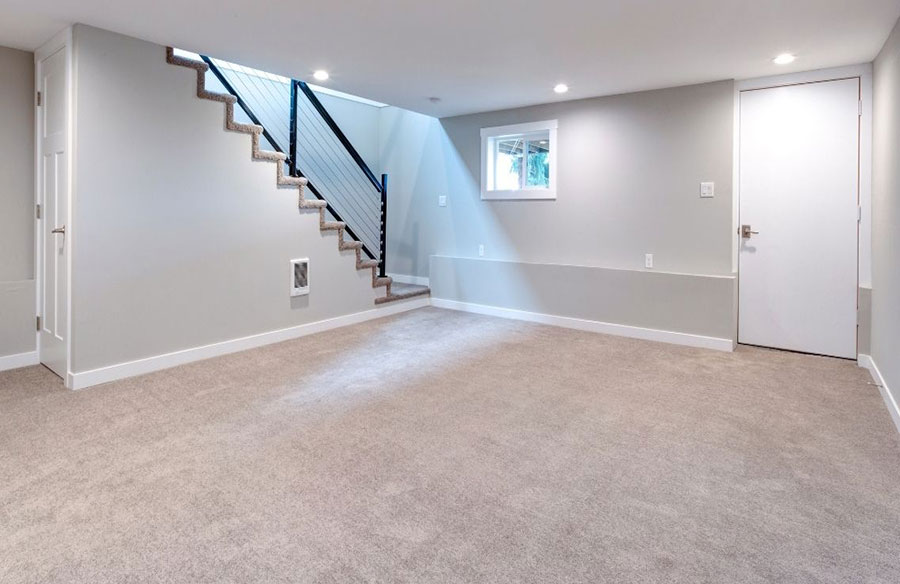
Renovating your basement can be a game-changer. Whether you’re turning it into a cozy family room, a workshop, or the ultimate man cave, one of the most important decisions you’ll make is choosing the right flooring. Basements often have unique challenges—moisture, low temperatures, and uneven surfaces, to name a few—so picking the perfect flooring option can feel a bit like solving a puzzle. But don’t worry, I’m here to help you put the pieces together!
Below, we’ll walk through some of the best flooring choices for finished basements, weighing the pros and cons so you can make an informed decision. Let’s get started!
Factors to Consider When Choosing Basement Flooring
Before we dive into the options, it’s essential to think about what your basement really needs. Basements are typically more prone to moisture and temperature fluctuations than the rest of your home. For a comprehensive overview of home renovation trends and flooring innovations, you can explore research provided by the National Association of Home Builders (NAHB), which offers valuable insights for homeowners. Here are some key things to consider:
- Moisture Resistance: Basements can be damp places. You need a flooring option that can handle a little—or a lot—of moisture without turning into a soggy mess.
- Durability: Let’s face it, basements tend to take a beating, especially if you use them for storage, as a workout space, or if you have kids running around.
- Comfort: You want a floor that’s comfortable underfoot, especially if you’re planning to spend a lot of time down there.
- Aesthetic Appeal: Just because it’s a basement doesn’t mean it can’t look amazing. Your flooring choice should fit the look and feel of the room you’re creating.
Now, let’s explore some of the best flooring options for your finished basement.
Luxury Vinyl Tile (LVT) and Luxury Vinyl Plank (LVP)
Luxury Vinyl is having a moment right now—and for good reason. It’s the most versatile flooring option out there, especially for basements.
Pros:
- Moisture Resistant: LVT and LVP can handle all the moisture your basement throws at them, which means no warping or staining.
- Durability: Vinyl is incredibly tough. It can withstand scratches, scuffs, and even the occasional dropped dumbbell.
- Variety: Available in a wide range of styles and patterns, including wood and stone looks, LVT and LVP can suit any design aesthetic you have in mind.
Cons:
- Comfort: While vinyl isn’t as soft underfoot as carpet, it’s still more comfortable than harder options like tile.
- Installation: Some types of vinyl require a very flat, clean surface for installation. So, if your basement floor is a bit uneven, you may need to prep it first.
Laminate Flooring
Laminate is another strong contender for basement flooring. It’s affordable, stylish, and relatively easy to install.
Pros:
- Affordable: Laminate tends to be cheaper than most other flooring types, making it great if you’re on a budget.
- Easy Installation: Laminate can be a DIY-friendly option, especially with click-lock systems that make installation a breeze.
- Style: Available in countless designs, laminate can mimic the look of real wood or stone at a fraction of the cost.
Cons:
- Moisture Sensitivity: Laminate is more susceptible to moisture than vinyl. You’ll want to ensure your basement is properly sealed and that you choose a product with a moisture-resistant core.
- Durability: While durable enough for everyday wear, laminate can’t handle standing water and may chip or scratch if subjected to heavy use.
Finished Concrete Flooring
Concrete? Yes, concrete. Don’t underestimate this industrial darling. With the right finish, concrete flooring can be sleek, modern, and surprisingly versatile.
Pros:
- Durable: Concrete is nearly indestructible. If you’re using your basement as a workshop, gym, or storage area, concrete will handle the wear and tear.
- Moisture Resistant: Concrete won’t be fazed by water—just be sure to seal it properly.
- Aesthetic Versatility: Finished concrete can be stained, polished, or even painted to achieve a wide variety of looks. If you’re into the modern, minimalist vibe, this could be your go-to.
Cons:
- Comfort: Concrete isn’t exactly the coziest flooring option. If comfort is important, consider adding area rugs or opting for a softer flooring material.
- Cold: Concrete floors can be chilly, so radiant heating may be a good addition if you want a more comfortable feel underfoot.
Epoxy Flooring
Epoxy is the superhero of durable flooring. It’s often used in garages and commercial spaces, but it’s also a fantastic option for basements.
Pros:
- Moisture Resistant: Epoxy creates a waterproof barrier over your concrete slab, which is perfect for moisture-prone basements.
- Durability: Epoxy can withstand pretty much anything—foot traffic, heavy weights, spills, and more.
- Customizable: With epoxy, you can choose from a variety of colors and finishes, making it easy to customize your basement to your style.
Cons:
- Installation: Epoxy installation can be tricky and may require professional help, especially if you want to avoid air bubbles or uneven coatings.
- Cold and Hard: Like concrete, epoxy floors can feel cold and hard underfoot, so consider adding rugs for extra warmth and comfort.
Final Thoughts
Your basement doesn’t have to feel like the dark, dreary corner of your home. With the right flooring choice, it can be transformed into a functional, stylish space that you and your family will love. Whether you opt for the versatility of luxury vinyl, the affordability of laminate, the durability of concrete, or the toughness of epoxy, the most important thing is to pick a flooring option that works for your basement’s unique needs.







