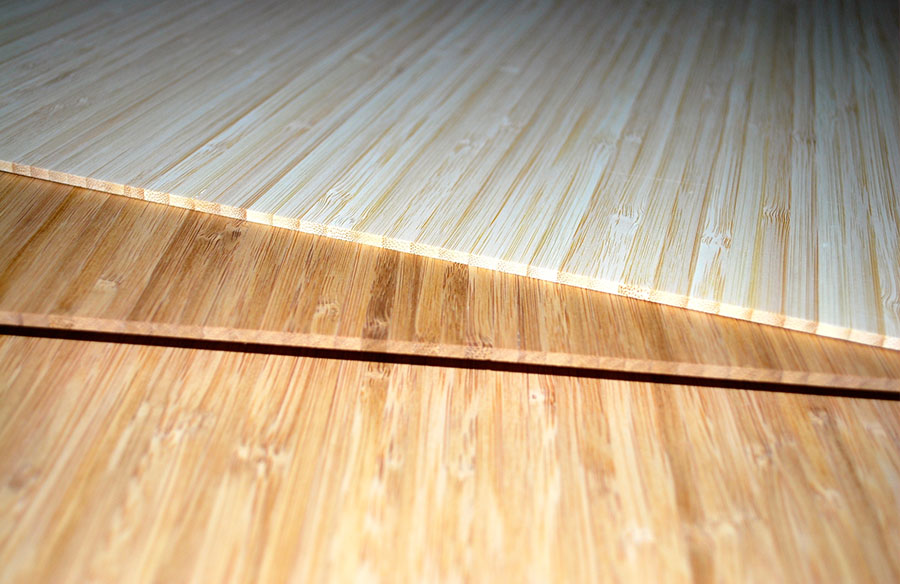
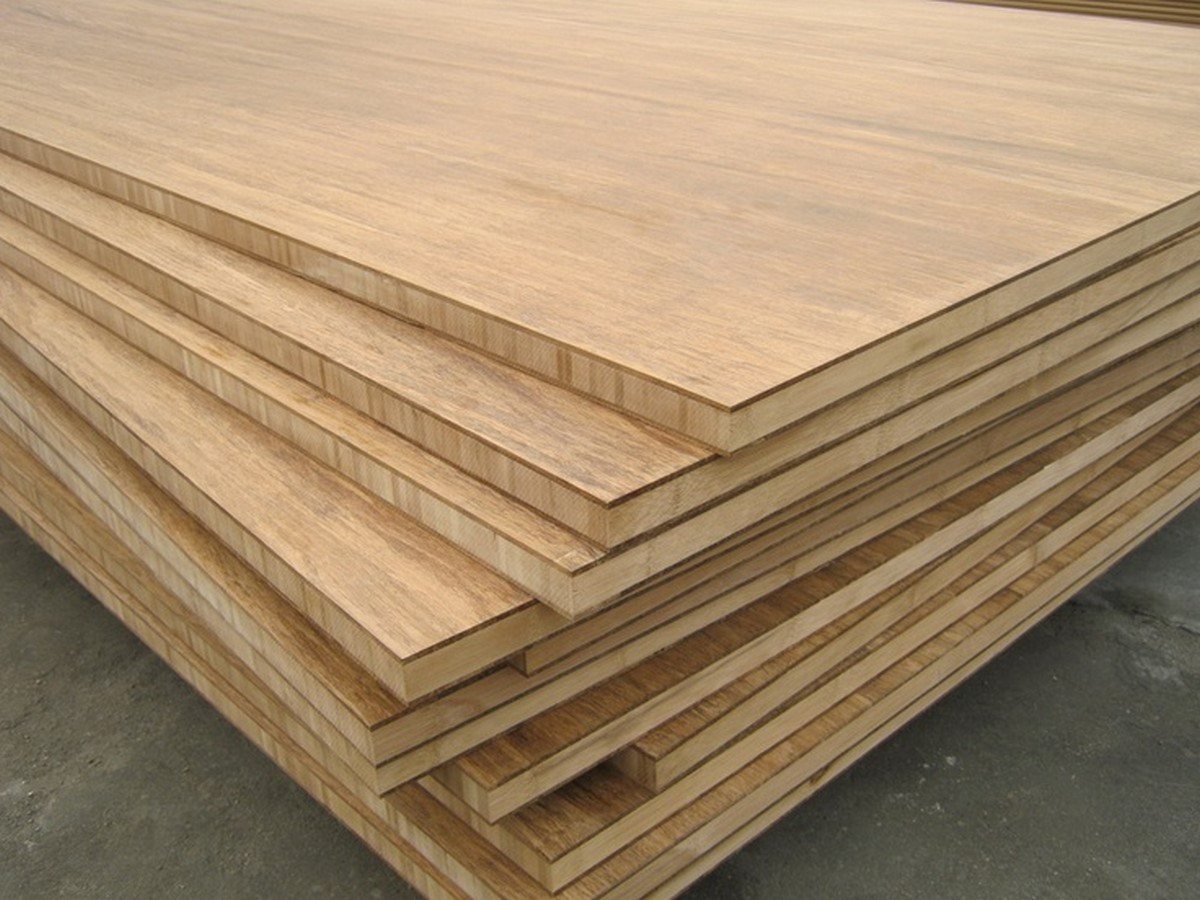
Bamboo plywood is a material that is quickly gaining popularity in various industries, from construction to interior design. Its natural beauty, strength, and eco-friendliness make it a preferred choice for sustainable building and crafting projects. In this article, we’ll explore the many applications of bamboo plywood, why it’s an excellent alternative to traditional wood, and how it’s transforming both commercial and residential spaces.
What Is Bamboo Plywood?
Bamboo plywood is a sheet material made from layers of bamboo strips that are glued together under high pressure. The bamboo is first harvested, processed into thin strips, and then bonded together to form sturdy and aesthetically pleasing plywood sheets. It’s known for its high strength, lightweight properties, and natural resistance to moisture, which sets it apart from traditional wood products. Unlike hardwood trees that can take decades to grow, bamboo reaches maturity in just 3-5 years, making it a much more sustainable option.
The Sustainability Factor: Why Bamboo?
One of the key reasons why bamboo plywood is becoming a popular material is its sustainability. Bamboo grows incredibly fast, making it a renewable resource. Unlike hardwood, which takes several decades to regenerate, bamboo can be harvested without killing the plant, and it grows back rapidly. This makes it an environmentally friendly alternative to traditional wood, especially when considering the impact of deforestation on the planet.
Moreover, bamboo absorbs more carbon dioxide and produces more oxygen than most trees, which further helps reduce the carbon footprint. For eco-conscious consumers and businesses, using bamboo plywood aligns with their environmental values while still offering a high-quality material for their projects.
Applications of Bamboo Plywood in Construction
Flooring
Bamboo plywood is a fantastic material for flooring due to its durability and resistance to wear and tear. It’s harder than most hardwood floors, which makes it a long-lasting choice for high-traffic areas such as living rooms, hallways, and offices. Additionally, bamboo plywood is available in a range of finishes, from natural light tones to darker, richer hues, allowing for flexibility in design.
Wall Panels
Bamboo plywood can be used as decorative wall panels to create a modern, sleek aesthetic. Its natural grain and color variations make it a beautiful choice for accent walls, adding warmth and texture to spaces. It’s particularly popular in eco-friendly building projects where sustainability is a key factor in the design.
Ceiling Panels
Much like wall panels, bamboo plywood can be used for ceiling installations. Its light weight makes it easier to work with than traditional wood, and its natural beauty adds an organic touch to any interior space. It’s also great for enhancing the acoustic properties of a room, making it suitable for theaters, studios, and even offices.
Bamboo Plywood in Furniture Making
Custom Furniture
Bamboo plywood is becoming a go-to material for custom furniture design. Its unique look and versatility make it ideal for creating bespoke pieces such as dining tables, chairs, and cabinets. Bamboo’s natural grain patterns give furniture a stylish and contemporary appearance, making it an excellent choice for both modern and traditional spaces.
Shelving and Storage Units
Whether it’s floating shelves in a living room or large storage units in a bedroom, bamboo plywood is a fantastic material for building functional and aesthetically pleasing shelving. Its strength ensures that it can hold weight without warping, and its clean, minimalistic look blends seamlessly into various design styles.
Kitchen Cabinets
Bamboo plywood is also increasingly used in kitchen cabinetry due to its durability and resistance to moisture. Kitchens are high-moisture environments, and traditional wood can sometimes warp over time. Bamboo’s natural moisture resistance makes it an excellent material for kitchen cabinets, ensuring they last longer and maintain their shape. Its eco-friendly nature also appeals to homeowners looking to create sustainable kitchens.
Bamboo Plywood in Interior Design
Countertops and Kitchen Islands
Bamboo plywood countertops are gaining popularity due to their natural beauty, durability, and eco-friendliness. Unlike traditional wooden countertops that can scratch and stain easily, bamboo is more resilient to everyday wear and tear. It’s also easy to maintain and can be finished with a variety of sealants to further enhance its longevity.
Doors and Partitions
Bamboo plywood can also be used to craft elegant doors and partitions within homes and offices. Its lightweight structure and strength make it a functional material for sliding doors, room dividers, and privacy partitions. Plus, its natural texture adds warmth to spaces, making it both a practical and aesthetic choice.
Creative Applications of Bamboo Plywood
Artistic Installations
Beyond its practical uses, bamboo plywood is also making its way into the world of art and design. Artists and designers are using this versatile material for sculptural works, wall art, and even installations in public spaces. Bamboo’s natural look and feel, combined with its strength and flexibility, make it an ideal medium for creative projects.
Musical Instruments
Bamboo plywood is not only used in construction and furniture but is also being employed in the making of musical instruments. Its natural acoustic properties make it a suitable material for crafting drums, guitars, and other instruments. The durability of bamboo plywood ensures that these instruments can withstand frequent use, while its sustainability adds an eco-conscious appeal to musicians.
The Benefits of Using Bamboo Plywood Over Traditional Wood
Strength and Durability
Bamboo plywood is incredibly strong. In fact, it’s often compared to hardwoods like oak or maple in terms of strength but comes with the added benefit of being lighter. This makes it a perfect material for applications where strength is essential, but weight needs to be minimized, such as in furniture making or construction.
Cost-Effective
Despite its many advantages, bamboo plywood is relatively affordable when compared to hardwood. As it is a rapidly renewable resource, its availability is much higher, driving costs down. This makes bamboo plywood an accessible material for both small-scale DIY projects and large commercial constructions.
Aesthetic Appeal
One of the most significant advantages of bamboo plywood is its aesthetic appeal. Its natural grain and smooth finish make it a beautiful material to work with, whether it’s for flooring, cabinetry, or custom furniture. The range of finishes and colors available also allows designers and homeowners to customize the look of their spaces, making it easy to match bamboo plywood with any style of interior design.
Moisture Resistance
Bamboo plywood has natural moisture resistance, making it ideal for use in humid environments such as kitchens and bathrooms. Unlike traditional wood that can warp or rot when exposed to moisture, bamboo plywood retains its shape and integrity, making it a durable choice for areas prone to moisture exposure.
Conclusion: Why Bamboo Plywood Is the Material of the Future
Bamboo plywood is not just a sustainable alternative to traditional wood products; it’s a material that offers versatility, strength, and beauty. From flooring and cabinetry to artistic installations and musical instruments, bamboo plywood is transforming the way we think about sustainable building materials. Its fast-growing, eco-friendly nature, combined with its durability and aesthetic appeal, makes it a valuable resource in many industries.
As consumers and industries continue to prioritize sustainability, bamboo plywood will likely become even more popular, helping to reduce our reliance on hardwood and promote a more environmentally friendly approach to design and construction. If you’re looking for a material that is as beautiful as it is practical, bamboo plywood is an excellent choice.
Rethinking The Future (RTF) is a Global Platform for Architecture and Design. RTF through more than 100 countries around the world provides an interactive platform of highest standard acknowledging the projects among creative and influential industry professionals.
We use cookies to ensure that we give you the best experience on our website. If you continue to use this site we will assume that you are happy with it.