

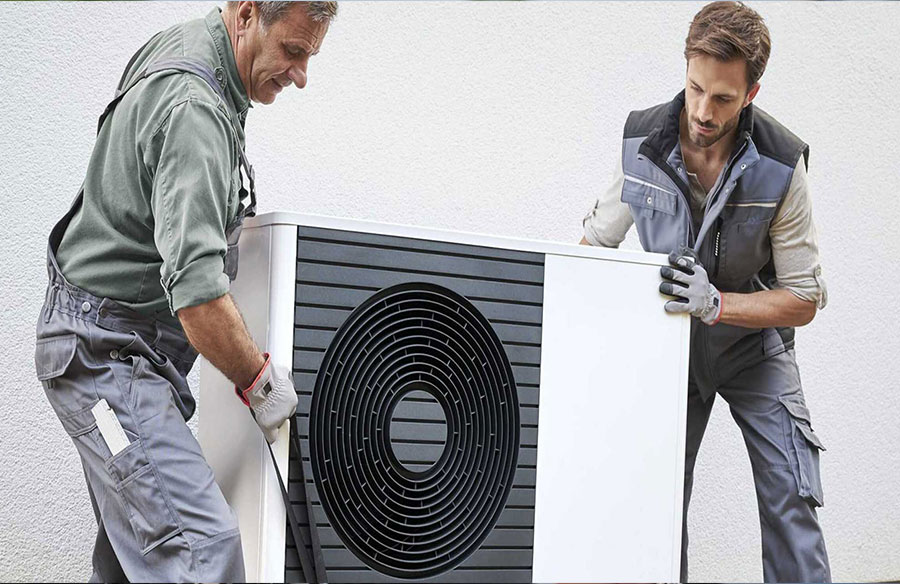
As more people become aware of energy-efficient solutions for home heating and cooling, heat pumps have gained popularity. A heat pump offers a sustainable alternative to traditional heating systems like boilers or furnaces and conventional air conditioners. Instead of generating heat, it transfers it, making it a more energy-efficient option. However, before you commit to installing a heat pump for your home, there are several important factors you should weigh.
Understanding How Heat Pumps Work
To begin, you must understand how a heat pump operates. Unlike conventional systems that generate heat through combustion or electricity, a heat pump moves heat from one location to another. In the colder months, it extracts heat from the air, ground, or water outside your home and transfers it indoors. In the warmer months, it reverses the process, removing heat from the interior of your home to cool it down.
There are three main types of heat pumps:
- Air-source heat pumps: These draw heat from the air outside.
- Ground-source (or geothermal) heat pumps: These draw heat from the ground.
- Water-source heat pumps: These extract heat from a body of water near your home.
Air-source heat pumps are the most common type for residential use due to their relatively lower cost and ease of installation. However, ground-source and water-source systems, though more expensive, tend to be more efficient, particularly in extreme climates.
The Climate Factor
One of the most critical factors in determining whether a heat pump is right for your home is the climate you live in. Heat pumps work best in moderate climates, where the temperature doesn’t drop too low in winter or rise too high in summer. For example, air-source heat pumps may struggle in extremely cold climates, as they become less efficient at extracting heat when temperatures dip below freezing.
In areas where winter temperatures regularly fall below freezing, you might need a backup heating system, like an electric heater or furnace, to supplement the heat pump on the coldest days. Some modern heat pumps are designed to perform well in colder climates, but these can be more expensive.
On the other hand, heat pumps shine in milder climates, where they can serve as an all-in-one solution for both heating and cooling throughout the year.
Energy Efficiency and Cost Savings
One of the primary reasons homeowners opt for heat pumps is the potential for energy savings. Heat pumps are highly energy-efficient compared to traditional heating and cooling systems because they transfer heat rather than generate it. The efficiency of a heat pump is measured by its Coefficient of Performance (COP), which typically ranges from 3 to 5, meaning that for every unit of electricity used, the system produces 3 to 5 units of heat.
While the upfront cost of installing a heat pump can be higher than that of a traditional system, you may see significant savings on your energy bills in the long term. Additionally, heat pumps can lower your home’s carbon footprint, making them a more environmentally friendly choice.
It’s essential to weigh these long-term savings against the initial investment, which can vary significantly depending on the type of heat pump and the complexity of installation.
Installation Requirements
Installing a heat pump may not be as straightforward as replacing an old furnace or air conditioner. There are several installation considerations to take into account:
- Space: For air-source heat pumps, you’ll need sufficient outdoor space for the unit, typically near a wall or in the backyard. For ground-source systems, there must be enough space to lay out the extensive underground loop systems required for heat exchange.
- Ductwork: If your home doesn’t have existing ductwork, installing a ducted heat pump system can be a significant expense. However, there are ductless mini-split options that don’t require ductwork and can be installed directly into individual rooms.
- Permits: Depending on where you live, you may need permits or approvals from your local council or homeowner’s association before installation.
- Contractor expertise: Make sure you work with an experienced installer who understands heat pumps, as proper installation is crucial for the system’s performance and longevity.
Environmental Impact
Heat pumps offer a greener alternative to traditional heating and cooling systems because they use electricity to transfer heat rather than burn fossil fuels like natural gas or oil. If paired with renewable energy sources like solar or wind power, a heat pump can further reduce your home’s carbon footprint.
Moreover, modern heat pumps use eco-friendly refrigerants with lower global warming potential (GWP) than older systems, reducing their environmental impact. When choosing a heat pump, look for systems that use environmentally friendly refrigerants such as R-32 or R-410A.
Upfront Costs and Incentives
The cost of a heat pump system varies depending on the type and size of the system, as well as the installation complexity. For an air-source heat pump, you can expect to pay anywhere from $5,000 to $9,000. Ground-source heat pumps are more expensive, ranging from $12,000 to $16,000 or more, due to the need for extensive excavation.
Despite the higher upfront costs, financial incentives and rebates may be available to offset some of the installation expenses. Many governments offer rebates or tax credits for homeowners who install energy-efficient systems like heat pumps. Be sure to research what’s available in your area, as this can make a significant difference in the total cost.
Maintenance and Lifespan
Heat pumps are generally low-maintenance compared to traditional systems, but regular upkeep is still necessary to ensure they run efficiently. Tasks like cleaning or replacing air filters, inspecting the outdoor unit for debris, and having the system serviced annually are essential for maintaining efficiency and longevity.
On average, a well-maintained heat pump can last 15 to 20 years, though ground-source systems may have an even longer lifespan. However, the lifespan can be shortened in climates with extreme temperatures or if the system is not properly maintained.
Comfort and Noise
Heat pumps provide a consistent level of comfort in your home, as they can both heat and cool effectively. Unlike traditional furnaces or air conditioners, which cycle on and off, a heat pump runs almost continuously at lower speeds, maintaining a more even temperature.
While modern heat pumps are much quieter than their older counterparts, noise can still be a concern, particularly for air-source heat pumps. Be sure to place the outdoor unit away from bedrooms or other areas where noise might be disruptive, or consider investing in a system with a low decibel rating.
Key Takeaways Before Installing a Heat Pump
A heat pump can be an excellent choice for providing energy-efficient, year-round comfort to your home, but it’s important to carefully weigh the benefits against potential drawbacks. Climate, installation costs, energy efficiency, and your home’s specific requirements will all play a role in determining whether a heat pump is the right choice.
If you’re looking for a greener and more cost-effective solution for heating and cooling, a heat pump may be the way forward. Make sure to consult with a qualified contractor and review local incentives that could make the transition even more affordable.







