

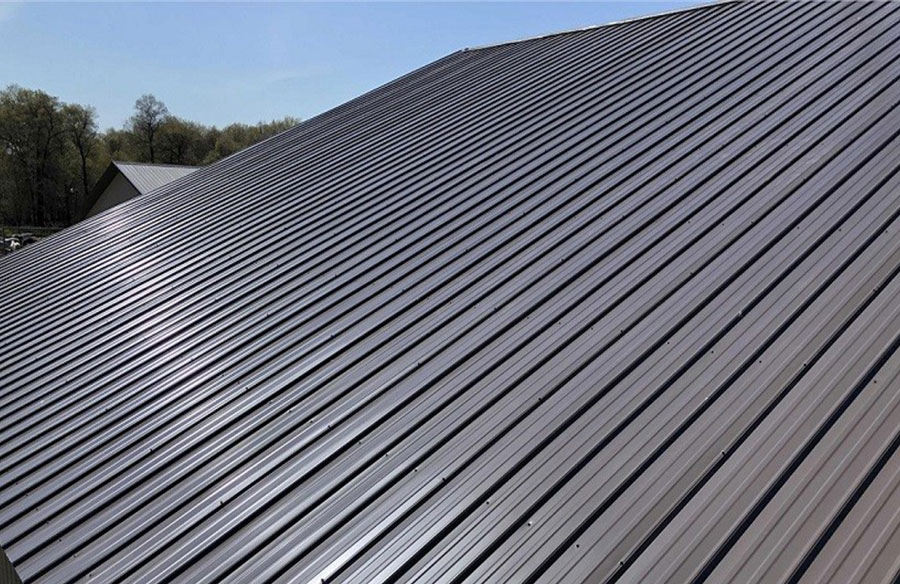
Roofing sheets are crucial for keeping your home protected from the elements. However, the weather isn’t always kind to them. From blistering heat to heavy rain, different weather conditions can significantly impact the lifespan and performance of your roofing sheets. Understanding these effects can help you better maintain your roof and know when it’s time for a replacement.
Impact of Different Weather Conditions
Extreme Heat
When temperatures soar, roofing materials, especially asphalt shingles, can suffer. Prolonged exposure to intense heat can cause these shingles to warp, become brittle, and lose their flexibility. This can lead to cracks and gaps, making your roof more susceptible to leaks. Over time, the heat can drastically reduce the lifespan of your roofing sheets, requiring earlier replacement than anticipated. If you need quality roof sheets in UK, choose JJ Roofing Supplies.
Heavy Rainfall
Heavy rain can lead to significant issues if your roofing sheets aren’t properly maintained. Persistent downpours can cause water damage, especially if there are existing weaknesses in your roof. This can result in leaks, which may eventually lead to mould and mildew growth in your home. Ensuring your roof is properly sealed and maintained can help mitigate these risks.
Snow and Ice
In regions that experience snowfall, the accumulation of snow and ice can put extra stress on your roofing sheets. Ice dams, formed when melting snow refreezes at the eaves, can prevent proper drainage and lead to water backing up under your shingles or tiles. This can cause serious damage to your roof’s structure and insulation, affecting its overall integrity.
High Winds
Strong winds can be particularly damaging to roofing sheets. High winds can lift or dislodge roofing materials, especially if they’re not securely fastened. This can lead to immediate damage and reduce the roof’s effectiveness in protecting your home. Regular inspections and ensuring that your roofing sheets are properly secured can help prevent wind-related issues.
Types of Roofing Materials and Their Weather Resilience
Asphalt Shingles
Asphalt shingles are popular due to their affordability and ease of installation, but they can be less durable in extreme weather. They may become brittle in cold weather and degrade faster under intense sun exposure. However, newer versions often come with improved weather-resistant features.
Metal Roofing
Metal roofing is known for its durability and weather resistance. It performs well in various climates, including high winds, heavy rain, and snow. Metal sheets are less likely to warp or degrade over time compared to other materials, making them a solid choice for harsh weather conditions.
Clay and Concrete Tiles
Clay and concrete tiles are highly durable and can withstand extreme temperatures and heavy rainfall. They are particularly effective in hot climates and can handle significant weight from snow. However, they can be more susceptible to cracking if not properly maintained.
Synthetic Materials
Synthetic roofing materials, such as rubber or plastic composites, are designed to mimic traditional materials while offering superior weather resistance. They are often more flexible and can handle a range of weather conditions without the same level of wear and tear as traditional materials.
Elements to Think About When Buying Roofing Sheets
Your Budget
First of all, you’ve got to think about the numbers. It’s important to know what your budget is from the beginning and this will allow you to get the roofing sheets you need. Take into account your overall budget and you can disregard certain options that are going to be most expensive.
The Material
A big factor in your decision should be the material of the roofing sheet. This is going to impact several elements, including how much you pay, the durability of the roofing sheet and how long they might last. For example, some people love the affordability of PVC and plastic materials, whereas you might already have aluminium and prefer to go down this road with new roofing sheets. The key is to evaluate your options and not rush into deciding straight away.
The Thickness
An essential element to consider when looking for roofing sheets is the thickness. This is something that’s going to impact the durability and longevity. It can also play a part in installation, with thicker materials being heavier and might be more difficult to handle. So, consider what you’re looking for and you can correspond this with the best thickness.
Conclusion
Weather conditions play a significant role in the lifespan and performance of your roofing sheets. From extreme temperatures to heavy rainfall, each type of weather can impact your roof in different ways. Regular maintenance and choosing the right materials for your climate can help protect your home and extend the life of your roofing.







