

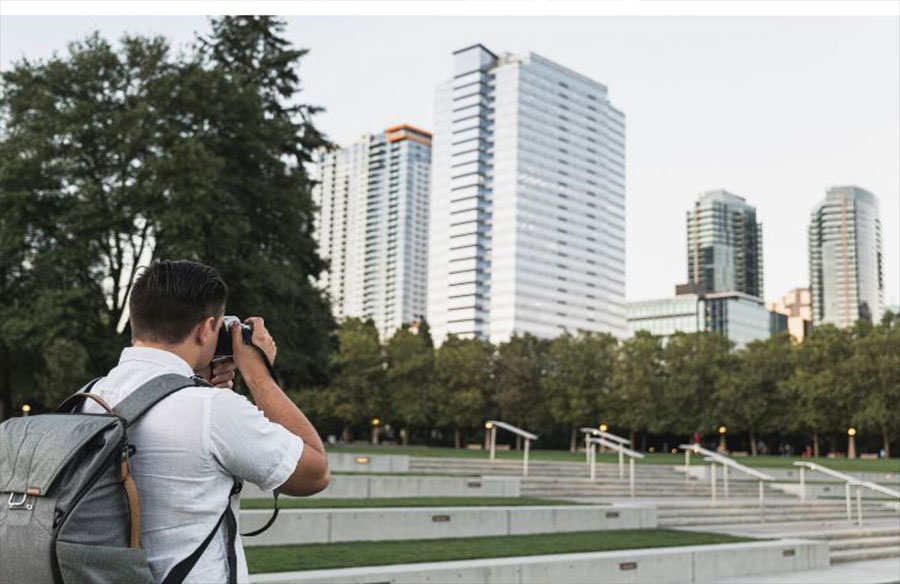
Real estate photography is one of the many careers where you can apply your passion for taking pictures. A real estate photographer plays a crucial role in the property market by capturing images that present homes and commercial spaces in their best light. These photos are often used in listings, brochures, and other marketing materials to attract potential buyers or renters.
As a real estate photographer, you are responsible for creating images that showcase a property’s strengths and help viewers imagine themselves living or working there. Your photos can make a significant difference in how quickly a property sells and at what price. If you’re looking to break into this field, here are some essential tips to get you started.
Invest in the Right Equipment
Having the right equipment is vital in real estate photography. This doesn’t mean you need the most expensive gear, but there are certain items that you need to bring with you every time you have a photo shoot. These include a good quality DSLR or mirrorless camera, a wide-angle lens, a sturdy tripod, and proper lighting equipment.
A wide-angle lens is particularly important as it allows you to capture more of the room in a single shot. This makes spaces appear larger and more inviting. Investing in a tripod is also crucial, as it ensures your shots are stable and clear, especially in low-light conditions. Additionally, consider using external lighting to brighten up spaces that may be poorly lit. While natural light is always preferable, there will be times when it’s not enough and artificial lighting can help you achieve a balanced exposure. Having the right tools will help you produce high-quality images that stand out in a competitive market.
Practise, Practise, Practise
The best way to get good at any kind of activity is to do it often. So, make sure to get plenty of practise in shooting homes and offices. You can start by taking pictures of your own living and working spaces. There’s also the option of going online and searching for “location houses London” to rent a place where you can test various angles, lighting, and compositions as much as you want without disrupting daily activities or work.
Understand the Importance of Composition
Speaking of composition, the way you frame your shots can greatly influence how a space is perceived. Good composition guides the viewer’s eye and highlights the aspects of the property that you want to emphasise, making your images more effective and visually appealing. A well-composed real estate photo can make a room look more spacious, inviting, and aesthetically pleasing—which are all things you want for a property for sale.
A composition technique you must endeavour to master is the rule of thirds. This basic technique requires you to divide your frame into nine equal parts. Using the borders of these sections as a guide, place key elements of the photo along the lines or at their intersections to achieve balance. Also, keep in mind that skewed lines can make your photos look unprofessional. You can avoid this scenario by making sure that your camera is level. Lastly, be mindful of clutter. Before taking a shot, clear away any unnecessary items that might distract from the property’s best features.
Master Lighting Techniques
Lighting is one of the most challenging aspects of real estate photography but mastering it is essential for producing high-quality images. Natural light is often the best option, as it creates a warm, inviting atmosphere. However, it’s not always possible to rely solely on natural light, especially in rooms with few windows or on cloudy days.
In these cases, you’ll need to supplement with artificial lighting. Consider using softboxes or other diffused light sources to avoid harsh shadows and ensure even lighting across the room. When shooting interiors, aim to balance the indoor and outdoor lighting to avoid overly bright windows or dark interiors.
Learn to Edit Your Photos
No matter how good you think a shot is, it often needs some post-processing to make it look its best. Indeed, using the right editing tools and techniques can correct exposure issues, enhance colours, and straighten lines, making your images more appealing and professional.
Simply put, knowing how to use software like Adobe Lightroom or Photoshop should be part of your skill set as a real estate photographer. With the help of these tools, you can fine-tune your images, from basic adjustments like brightness and contrast to more advanced techniques like HDR blending or sky replacement. However, it’s important to strike a balance—your edits should enhance the natural beauty of the property without making it look unrealistic.
Practise Consistent Branding
As a real estate photographer, your brand is your business. A strong, consistent brand will help you establish a reputation in the industry and attract a steady stream of clients. Remember that creating your brand as a photographer encompasses not only the style and quality of your photography, but also how you present your work through your website, social media, and marketing materials.
Develop a signature style that sets your work apart, whether it’s through your composition, lighting, or editing techniques. Ensure that your portfolio reflects this style consistently, as potential clients will be looking for a photographer whose work aligns with their vision. Additionally, make sure your branding is consistent and cohesive across all platforms.
Understand Your Market
Different real estate markets have different expectations and what works in one area may not be as effective in another. Simply put, the type of properties you’re photographing—be they luxury homes, commercial spaces, or rental properties—will influence how you approach your photography. So, make sure to take the time to research local trends and preferences.
What types of properties are selling quickly? What style of photography resonates most with potential buyers in your area? Understanding your market allows you to tailor your approach and make your photos more relevant and appealing to your target audience.
Network with Real Estate Professionals
Building relationships with real estate professionals is key to growing your business as a real estate photographer. Estate agents, property developers, and even interior designers can be valuable connections, as they often need high-quality images for their listings and projects.
Widen your reach by attending industry events and joining local real estate groups to connect with professionals in the field. Networking can lead to repeat business and referrals, and it’s an effective way of building a steady stream of work and growing your reputation in the industry.
Becoming a successful real estate photographer requires more than just technical skill; it demands an understanding of composition, lighting, and the real estate market, as well as the ability to brand and market yourself effectively. By following these tips, you can develop the skills and knowledge needed to produce high-quality images that help properties sell quickly and at the best possible price. As you hone your craft and build your business, you’ll find that this career path can be both rewarding and financially fulfilling.







