

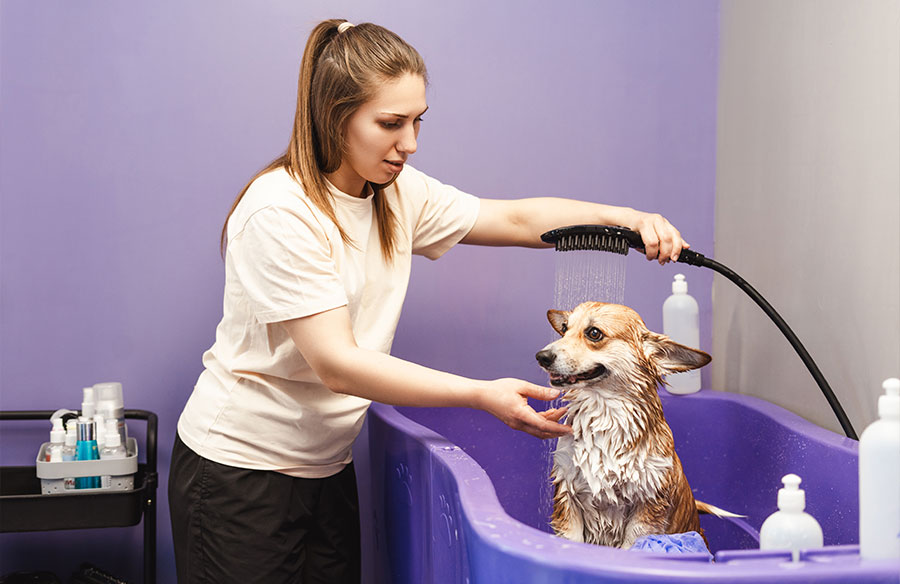
If you are a dog owner, you have probably faced the hair-raising challenge of keeping fur from clogging your drains. Whether it is bath time or routine grooming, your furry friend’s hair seems to have a knack for making it into your plumbing. But don’t worry; we have got you covered with practical tips to prevent dog hair from going down the drain. Discover how to maintain a clean and efficient plumbing system while keeping your pooch looking fabulous.
Why Dog Hair is a Drain’s Worst Nightmare
Dog hair is notorious for causing blockages in plumbing systems. When mixed with soap scum, dirt, and other debris, it forms a tangled mess that obstructs water flow. This not only leads to slow drainage but can also result in costly repairs. Learning how to keep dog hair from going down the drain is essential for maintaining plumbing health.
Dog hair has a coarse texture that easily binds with other particles. Unlike human hair, which is smoother and less prone to tangling, dog hair can quickly accumulate in pipes. Different breeds have varying hair lengths and textures, which can exacerbate the problem. Recognizing the unique properties of dog hair helps in devising effective preventive measures.
Pre-Bath Brushing: A Simple Yet Effective Step
Brushing your dog before bath time can significantly reduce the amount of hair that ends up in the drain. This simple step helps remove loose fur and minimizes shedding during the bath. Use a suitable brush for your dog’s coat type. For short-haired breeds, a bristle brush or rubber curry brush works well. For long-haired breeds, consider using a slicker brush or rake. Regular brushing, even outside of bath time, keeps shedding under control and maintains your dog’s coat health.
Invest in a Quality Drain Cover
A drain cover is a must-have for dog owners. It acts as a barrier, catching hair before it enters the drain. Various drain covers are available, each designed to trap hair effectively. Mesh drain covers are popular due to their fine holes that catch even the smallest hairs. They are easy to clean and can be used in sinks and bathtubs. Silicone drain covers offer a flexible option for various drain sizes and shapes. They are durable and provide excellent hair-catching capabilities.
Use a Pet Hair Catcher During Baths
Pet hair catchers are specially designed tools that attach to your bathtub drain. They catch hair before it reaches the pipes, making them an effective solution for preventing clogs. These devices, such as mats or strainers, come in various forms that fit over the drain. Some hair catchers have suction cups to secure them in place, ensuring they stay put during the bath.
Bathe Outdoors When Weather Permits
If weather conditions allow, consider bathing your dog outdoors. This eliminates the risk of hair entering your indoor plumbing system. Set up a designated bathing area in your yard with a hose and pet-friendly shampoo. Ensure the water temperature is comfortable for your dog. Bathing outside keeps hair out of your drains and provides a refreshing experience for your pet. After the outdoor bath, brush your dog well to remove any remaining loose hair. This practice ensures minimal shedding once you bring your furry friend back inside.
Dry Your Dog Thoroughly After Baths
Drying your dog thoroughly after a bath reduces the chances of loose hair falling off and ending up in the drain during the drying process. Use a high-absorbency towel to remove excess water from your dog’s coat. Consider using a blow dryer on a low heat setting for long-haired breeds to ensure they are completely dry. This helps remove additional loose hair that may not have been caught during the bath.
Groom Your Dog Regularly
Consistent grooming is essential for keeping dog hair under control. Regular grooming sessions help reduce shedding and keep your dog’s coat in top condition. Schedule grooming sessions based on your dog’s breed and coat type. Short-haired breeds may require less frequent grooming, while long-haired breeds benefit from more regular sessions. Professional grooming services can also be considered for thorough care.
Clean Drains Regularly
Even with preventive measures, some hair may still find its way into the drain. Regular cleaning helps maintain optimal drain performance. Use a drain snake or hair removal tool to clear any trapped hair in the pipes. These tools are effective in reaching deep into the drain and removing blockages. Alternatively, pour a mixture of baking soda and vinegar down the drain, followed by hot water. This natural solution helps dissolve any minor clogs and keeps your pipes clean.
Enjoy a Hair-Free Home
Following these practical tips, you can enjoy a hair-free home without worrying about clogged drains. Implementing these practices may require effort, but the benefits outweigh the inconvenience. With a little consistency and attention to detail, you can keep your drains clear and your home in top shape.
We would love to hear from you if you have any additional tips or experiences.







