

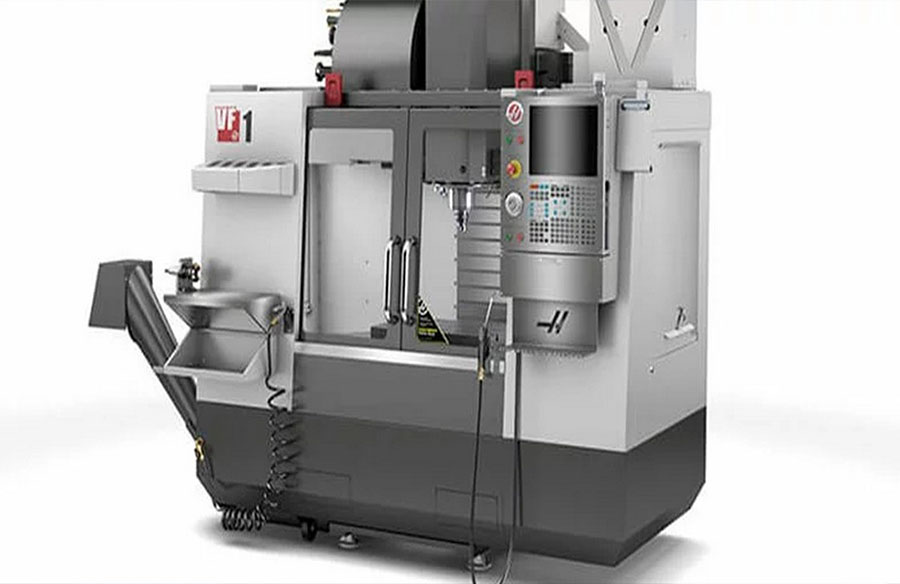
Introduction to CNC Machining
CNC machining uses computer numerical control to operate machine tools for precision and efficiency. It is essential to modern manufacturing, especially in aerospace and automobiles. The CNC system can make sophisticated machine parts and custom components from steel and other metals. CAD has made CNC machining easier, enabling the development of one-off custom and medium-volume production parts. Understanding CNC machine types helps you choose the optimal machining procedure for your project.
Type 1: CNC Milling

CNC milling shapes the object in three dimensions by moving the cutting tool along several axes. Manufacturing pockets, slots, and curves for unique CNC applications is possible with this skill. The machine can also handle different workpiece sizes and forms, making it perfect for custom parts and mass manufacturing. CNC milling machines now offer automatic tool changers and superior software for greater precision and efficiency.
Type 2: CNC Turning

The lathe can drill, bore, and thread during CNC turning, increasing its versatility. The integration of CAD software provides precise machine programming, guaranteeing the finished product fits standards. CNC turning may also create elaborate shapes and features on cylindrical parts, improving product usefulness. Thus, CNC turning is widely utilized in automotive and aerospace, where precision and dependability are essential for critical component manufacturing.
Type 3: CNC Laser Cutting

CAD designs are turned into machine code to guide the laser during laser cutting. This automation speeds up and improves cutting, making complex designs easier to make. CNC laser cutting can also etch and mark materials, expanding its uses. Businesses increasingly use this technology to build unique parts and components to meet specific specifications, giving them a competitive edge.
Type 4: CNC Waterjet Cutting

CNC waterjet cutting can cut metal, glass, and ceramics. The final result is accurate and consistent due to CAD design. Additionally, its simplicity of cutting heavy materials widens its specialized manufacturing possibilities. CNC waterjet cutting is popular with enterprises seeking sustainable and efficient machining solutions due to its low environmental impact and high-quality cuts without secondary finishing.
Type 5: CNC Electrical Discharge Machining (EDM)

The workpiece is submerged in a dielectric fluid during EDM to control electrical discharges and remove eroded material. This unique capability enables detailed and fine-finish machining. High-performance applications require parts with tight tolerances and smooth surfaces, which CNC EDM can provide. CNC EDM is essential to modern machining technologies for creating complicated custom parts as precise production demands rise.
How to Choose the Right CNC Machining Type for Your Project
Your project’s success depends on choosing the right CNC machining type. Material matters because certain machining procedures perform better with certain materials. CNC milling and turning are good for metals, whereas CNC laser cutting and waterjet cutting can handle polymers and composites. Complex designs may require CNC laser cutting or EDM for precision.
Next, determine your part production volume. CNC machining services for small runs may be best for one-time custom parts. CNC milling or turning may be faster for medium-volume item manufacture. Finally, evaluate the project budget and timetable. Depending on setup and machining time, some machining methods may be cheaper. By considering these characteristics, you may choose the optimal CNC machining type for your purposes.
Conclusion
Understanding CNC machining types helps you choose the correct procedure for your job. CNC milling, turning, laser cutting, waterjet cutting, and EDM each have advantages and capabilities for distinct applications. Consider material type, design complexity, production volume, and cost to determine a project-appropriate choice. As CNC technology evolves, remaining knowledgeable about these possibilities can help you manufacture high-quality, precision-engineered components.
Frank Lee
Frank Lee, at the helm of XMAKE, directs the vision with expertise honed at HIT with over 16 years in the field, including as a Lean Manufacturing System expert at General Motors and global evaluator, Frank has a proven track record of pioneering improvements across 1000 factories.







