

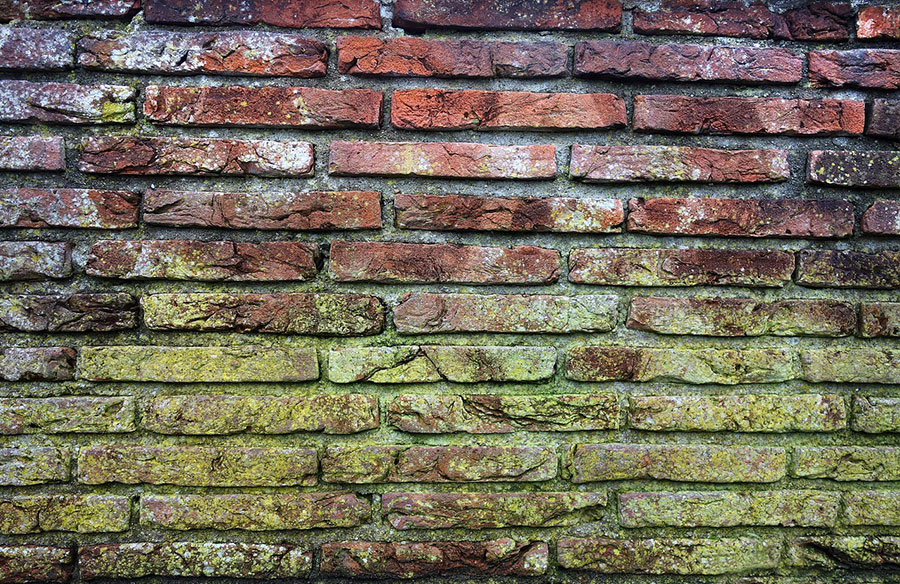
Mold and mildew are more than just unsightly blemishes. They represent a significant health concern. According to U.S. News, nearly 47% of homes in the United States grapple with some form of mold or dampness. This huge number highlights the urgent need for effective moisture control.
In this detailed guide, we’ll cover the best strategies for preventing mold and mildew, focusing on practical steps to protect your home.
Understanding Mold and Mildew: The Basics
Before diving into prevention strategies, it’s essential to understand what mold and mildew are and why they’re problematic.
What is mold?
Mold is a fungus that prospers in environments that are moist, warm, and humid. It spreads by producing tiny spores, which are invisible to the naked eye and can float through both outdoor and indoor air. While molds play a crucial role in nature by breaking down dead organic matter, their presence indoors should be avoided. Mold growth inside a home typically begins when these spores land on wet surfaces, leading to potential health issues and property damage.
What is mildew?
Mildew is a type of fungus that often appears as a gray or white powdery substance on surfaces. It thrives in environments that are damp, warm, and poorly ventilated, commonly found in areas with high humidity such as bathrooms and basements. Mildew grows on organic materials like wood, fabric, and paper, where it can lead to unpleasant odors and potential damage if left untreated.
Both thrive in damp conditions and can cause respiratory issues, allergic reactions, and other health problems.
According to Medical News Today, mold can encourage the growth of harmful bacteria and microbes, possibly triggering inflammatory responses in some people. In severe cases, mold exposure can lead to hypersensitivity pneumonitis, a serious lung condition, as well as sinusitis, or inflammation of the sinuses. The Environmental Protection Agency (EPA) advises keeping indoor humidity levels below 60% to minimize these risks.
Control Humidity Levels
Managing humidity is one of the most effective ways to prevent mold and mildew growth. Ideally, the humidity inside your home should stay between 30% and 50%. Here are some ways to maintain optimal levels:
- Use Dehumidifiers: Invest in a quality dehumidifier, especially in high-humidity areas like basements and bathrooms.
- Ensure Proper Ventilation: Make sure your home is well-ventilated by using exhaust fans in areas like kitchens and bathrooms to remove moist air.
- Monitor Humidity Levels: Use a hygrometer to regularly check indoor humidity and adjust your ventilation and dehumidifiers accordingly.
Fix Leaks and Water Intrusion Issues
Water leaks are a major contributor to mold and mildew growth. The EPA reports that the average household wastes nearly 10,000 gallons of water each year due to leaks. This causes considerable moisture damage and also contributes to a staggering 900 billion gallons of water wasted annually across the nation. Addressing these issues promptly can significantly reduce the risk of fungal infestations:
- Inspect Plumbing: Regularly check for leaks in pipes, faucets, and other plumbing fixtures. Fix any leaks immediately to prevent water damage.
- Check Roof and Gutters: Make sure your roof is well-maintained and that gutters and downspouts are free from obstructions. Proper drainage prevents water from seeping into your home.
- Seal Windows and Doors: Inspect the seals around windows and doors for any gaps or deterioration. Replace or repair damaged seals to prevent water intrusion.
Improve Insulation and Ventilation
Proper insulation and ventilation can help prevent moisture buildup, reducing the likelihood of mold and mildew growth:
Insulate Properly
Make sure your home is thoroughly insulated, with particular attention to areas that are susceptible to condensation, such as attics and crawl spaces. Proper insulation helps maintain a consistent indoor temperature and prevents warm, moist air from coming into contact with cooler surfaces. This can lead to condensation and mold growth.
Ventilate Attics and Basements
Adequate ventilation in attics and basements is crucial for controlling moisture levels and preventing the accumulation of damp air. Installing a mix of vents and fans can significantly improve air circulation.
For attics, use ridge, soffit, and gable vents to allow hot, humid air to escape while bringing in cooler, drier air. Consider adding roof-mounted fans to enhance airflow. In basements, exhaust fans help expel humid air, and proper vent placement ensures fresh air intake from outside. Supplementing with dehumidifiers can further manage moisture levels.
Use Exterior Window Trim
While caulking around windows can help address leaks, using exterior window trim offers both practical and aesthetic benefits. Window trim, also known as exterior trim or casing, is the material that frames the window on the outside of your home. It enhances the visual appeal of your windows and also provides an extra layer of protection.
It acts as a barrier against seasonal extremes, including heavy rain, snow, and high winds, which can otherwise compromise the integrity of your home. Additionally, well-maintained trim helps prevent moisture infiltration, insect intrusion, and rot, ensuring that your windows remain durable and functional. Belco Forest Products notes that by investing in high-quality trim, you enhance both the aesthetic and structural resilience of your home.
Clean and Maintain Regularly
Regular cleaning and maintenance are essential for preventing mold and mildew. According to the EPA, it’s vital to dry any water-damaged areas and items within 24 to 48 hours to effectively inhibit mold growth. Prompt action helps to ensure that moisture does not linger and creates a breeding ground for mold. Additionally, follow these tips:
- Clean Bathroom and Kitchen Surfaces: Regularly clean surfaces in bathrooms and kitchens with mold-fighting cleaners. Pay attention to grout lines and behind appliances. Use mold-resistant paints for better protection of susceptible areas.
- Remove and Replace Affected Materials: If you find mold on materials such as drywall or wood, remove and replace these materials as needed. Moldy materials can be a source of ongoing problems if not addressed.
What is mold-resistant paint?
Mold-resistant paint is specially formulated to inhibit the growth of mold and mildew on painted surfaces. It contains antimicrobial agents that help prevent the proliferation of mold spores. This makes it a suitable choice for high-humidity areas such as bathrooms, kitchens, and basements.
Address Indoor Moisture Sources
Beyond controlling humidity, it’s essential to manage moisture sources within your home:
- Dry Clothes Properly: Avoid drying clothes indoors, as this adds excess moisture to the air. Use an outdoor clothesline or a dryer with proper ventilation.
- Avoid Overwatering Plants: Ensure that indoor plants are not overwatered, as excess water can contribute to higher humidity levels.
Overall, preventing mold and mildew requires a multi-faceted approach, focusing on moisture control, proper maintenance, and addressing potential problem areas like exterior window trim.
By implementing these strategies, you can protect your home from the harmful effects of mold and mildew. This will also create a healthier living environment for you and your family. Regular inspections, prompt repairs, and good moisture management practices are key to keeping your home mold-free.







