

It’s not news that the electric vehicle (EV) market has surged in popularity in recent years. With innovations and widespread adoption, EVs offer families a plethora of options for eco-friendly transportation, and as the world continues its shift towards sustainable energy solutions, many families are considering the switch to electric vehicles. However, with numerous models, features, and considerations to weigh up, it’s no surprise that choosing the right EV for your family may feel a little bit daunting. Fear not, as we’ve compiled a comprehensive guide to help navigate the electric highway and find the perfect fit for your family’s needs.
Assess your needs
The first thing to do is to work out what it is your family needs. Begin by evaluating your family’s driving habits, daily commute, and lifestyle. Consider the typical distance you travel, the number of passengers you transport, and any specific features or functionalities you require in a vehicle. This will help narrow down the types of EVs that may be suitable. Everyone will have different priorities, so it’s best to discuss and make a list of what is essential for your family.
Set a budget
Electric vehicles come in various shapes, sizes, and price points. It’s crucial to set a budget before diving into the research process. While EVs typically have higher upfront costs than traditional vehicles, they can offer significant long-term savings on fuel and maintenance expenses. Factor in potential tax incentives, rebates, and reduced operating costs when comparing the overall cost of ownership between EVs and traditional vehicles.
Range anxiety
One of the primary concerns for EV owners is range anxiety, the fear of running out of battery power before reaching your destination. In fact, according to a study by Compare the Market, two thirds (62 percent) of Australians are concerned about charging and battery life of electric vehicles. Fortunately, many modern EVs boast impressive ranges, but it’s essential to choose a model that aligns with your typical driving range. For families with longer commutes or frequent road trips, opting for a model with an extended range or fast-charging capability is advisable.
Charging infrastructure
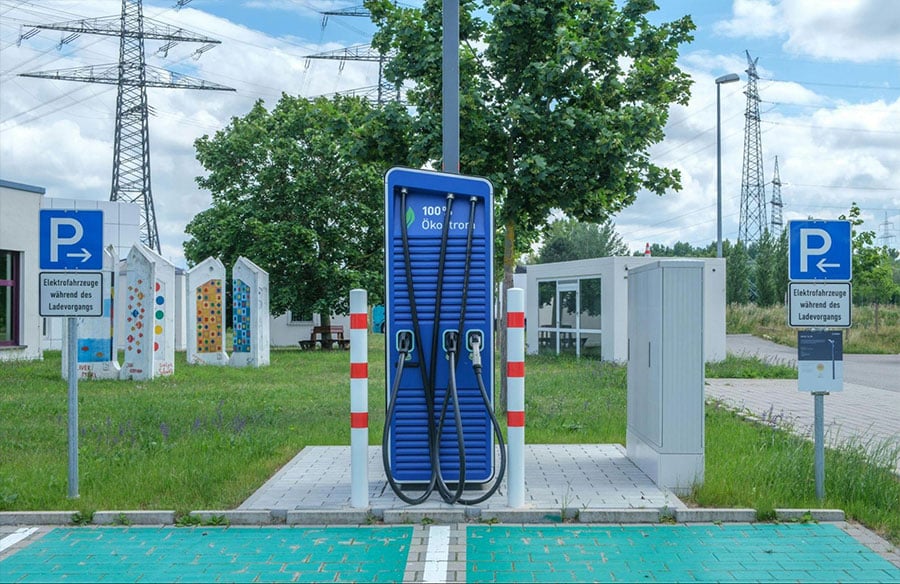
Another factor to consider before making your purchase is the charging infrastructure in your area. This includes assessing both home charging options and public charging stations. If possible, you might like to consider investing in a home charging station for convenience and cost savings. If a home charging station isn’t a possibility, research the accessibility of charging networks along your frequently travelled routes so that you can confidently charge your EV on the go.
Size and space
Families often prioritise ample interior space and cargo capacity. This can be particularly important for those with several kids or who need room for sporting equipment. Evaluate the seating arrangements, legroom, and storage options of various EV models to ensure they can comfortably accommodate your family and all your belongings, including strollers and groceries. Additionally, consider the practicality of features such as foldable seats and adjustable cargo capacity to accommodate larger items.
Environmental impact
One of the primary motivations for many people transitioning to electric vehicles is reducing carbon emissions and environmental impact. A study by researchers at Argonne National Laboratory compared emissions for an EV with a 300-mile electric range and a gasoline car found the lifetime greenhouse gas emissions for the EV to be much lower than that of the traditional vehicle. Research the environmental credentials of different EV models, including their energy efficiency, manufacturing processes, and recyclability, to make an informed decision that aligns with your sustainability values.
Safety features
Safety is paramount, especially when travelling with loved ones. As such, you might want to look for EVs equipped with advanced safety features such as collision avoidance systems, adaptive cruise control, lane-keeping assist, and pedestrian detection. Additionally, check the vehicle’s crash test ratings and safety certifications to guarantee maximum protection for your family.
Future-proofing
Nobody likes buying a vehicle, just for it to become obsolete within a few years. With the rapid advancements in EV technology, it’s essential to consider future-proofing your electric vehicle purchase. Think about the future advancements and developments in electric vehicle technology. Some factors to consider include the battery life and range, compatibility with upcoming charging technologies, and the potential for software updates to enhance performance and features. Choose a model with the flexibility to adapt to future upgrades and innovations to ensure your investment remains relevant and valuable over time.
Test drives and reviews
Before making a final decision, schedule test drives of your shortlisted EV models to experience their performance, handling, and comfort firsthand. The last thing you want is to purchase a vehicle that doesn’t meet your expectations or suit your driving style. Additionally, consult reputable automotive websites, customer reviews, and expert opinions to gather insights and recommendations from other families and industry professionals.
Like any major decision, selecting the right electric vehicle for your family requires a bit of careful consideration. This includes weighing up factors, including range, size, safety, charging infrastructure, financial implications, environmental impact, and future-proofing. By following these tips and conducting your own thorough research, you can confidently embark on your journey towards sustainable and electrifying transportation for your family.







