

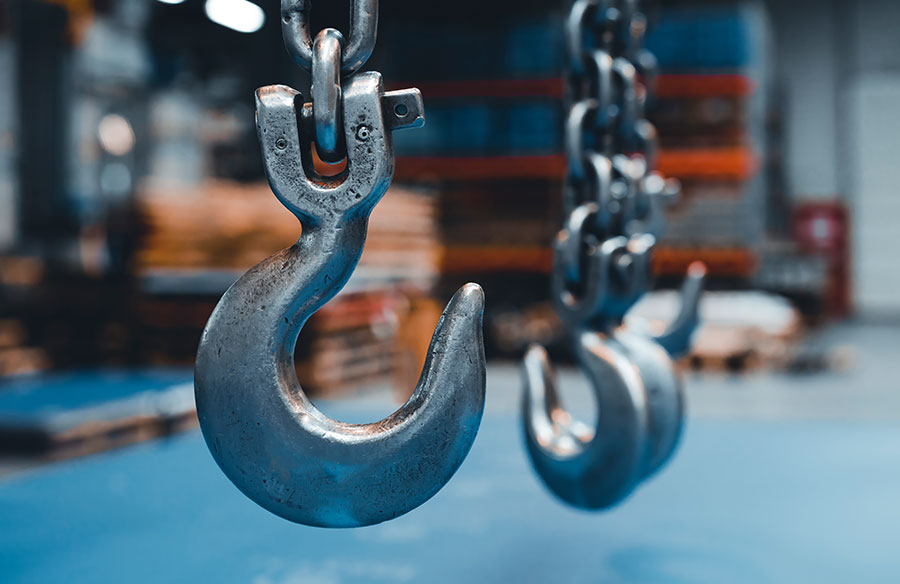
In a lot of sectors, like manufacturing, shipping, and construction, lifting big objects is crucial. Safe and efficient load handling is crucial to prevent accidents, equipment damage, and costly downtime. Among the tools used to mitigate these risks, chain slings stand out for their ability to handle heavy weights and perform in challenging environments, making them indispensable in heavy-lifting operations.
Chain slings are often the preferred choice when choosing the right lifting equipment. These high-strength steel chains are durable and highly adaptable, making them suitable for various applications. Whether used in a bustling warehouse or on a demanding construction site, chain slings are pivotal in ensuring safe lifting practices. Industries can enhance safety and efficiency in their operations by understanding the importance of proper use, regular maintenance, and selecting the correct type of chain sling for each job.
Understanding Chain Slings
These are lifting devices made from high-strength steel chains. They are designed to support heavy loads in challenging environments. Due to their robust construction, these can withstand high temperatures, sharp edges, and harsh conditions. This durability makes them a popular choice for industries that deal with heavy lifting.
Why Are These Slings Preferred?
One of the main reasons chain slings are preferred is their adaptability. They come in various configurations, including single, double, triple, and quadruple-leg slings. This flexibility allows them to handle a wide range of hoisting tasks. Furthermore, these are easy to inspect for wear and tear, ensuring continued safety in load-handling operations. When lifting equipment is used, choosing the right tool for the job is crucial, and these often fit the bill perfectly.
Safety Features
When lifting large objects, safety is of the utmost importance. Chain slings have various characteristics that improve this aspect. First, they are adjustable, which means they can be shortened or lengthened to suit the load’s size and shape. This adaptability reduces the risk of load imbalance, a common cause of accidents. Also, these are designed to resist damage, such as cuts and abrasions, adding another safety layer.
The Importance of Proper Training
While chain slings are highly reliable, their effectiveness depends on proper use. It is imperative that workers have sufficient training in the proper methods for attaching, lifting, and lowering loads. Misuse of chain slings can lead to dangerous situations, including load drops and sling failure. Regular training sessions and adherence to safety guidelines can significantly reduce these risks.
Regular Inspection and Maintenance
The longevity and safety depend on routine inspection and maintenance. Workers should check the slings for wear indicators like cracked or stretched links before each use. Any damaged sling should be removed from service immediately. Maintenance also involves lubricating the chain to prevent rust and other forms of degradation. This routine care helps maintain the sling’s strength and reliability over time.
Choosing the Right Chain Sling
Not all hoisting tasks are the same, and neither are all chain slings. Selecting the appropriate sling for the specific load and handling conditions is crucial. The load’s weight, the setting in which the sling will be utilised, and the kind of lift needed are all important factors to take into account. Obtaining advice from a specialist or consulting the manufacturer’s instructions will assist in making the best decision.
Chain slings are critical in ensuring safe load-handling practices across various industries. Their safety features, durability, and versatility make them an indispensable tool. However, the appropriate equipment must be used with appropriate training and routine maintenance to guarantee maximum safety and effectiveness. Whether dealing with lifting equipment in a warehouse or construction site, chain slings offer a reliable solution. By following best practices and ensuring workers are well-informed, businesses can continue to lift heavy loads safely and effectively.







