

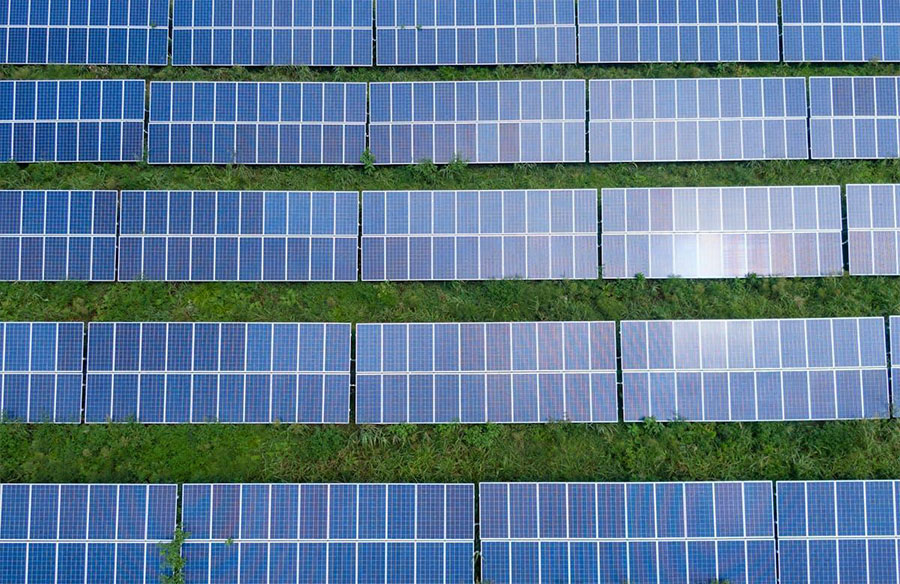
Horizontal Directional Drilling (HDD) also known as Directional Boring, is currently revolutionizing many industries across the board. This is happening because it provides a less invasive and more efficient way to install pipes, conduit and wires. It is easy to see why this method is fast becoming invaluable in large and small scale commercial solar projects.
By providing an easy way to install subsurface facilities without causing undue disturbance to the surface, it becomes a very attractive method. Significantly disruptive and heavily invasive are big problems with conventional excavation methods.
Challenges that Face Commercial Solar Projects
The construction process for solar systems can face a significant number of hurdles and problems. Being sure to not cause harm to the existing environment while also dealing with a multitude of different terrains are major examples of some of the difficulties faced by the construction process.
Using traditional ways of excavation can be very expensive and often doesn’t work anymore because the process takes too much time, which in turn becomes very costly. Beyond the scope of time, as mentioned it is much more intrusive to the existing environment and conditions.
Benefits of Directional Drilling in Solar Installations
-
Mitigation of Environmental Impact
Directional Drilling offers a notable benefit in terms of minimizing the environmental effect during construction. Because HDD is a trenchless method it minimizes and nearly eliminates surface disruption, preserving the natural environment surrounding the project site.
This technique ensures soil stability and reduces erosion. This trait is very important because it fits with the natural goals of green energy installations to protect the environment.
-
Minimizing the Surface Disruption
Unlike the standard open-cut trenching methods that have been practiced prior to this technology, HDD does not require extensive cutting or digging. With trenchless technology, conduit, pipe and wires can be placed underground with minimal damage to the surface. This can be very important in areas that are environmentally sensitive or difficult to get to.
One example of this is when needing to bypass sensitive or protected species of trees or plants. Directionally boring allows for the conduit to be passed below the root system without any disturbance.
-
Cost Savings and Efficiency
By providing more efficiency and less work the overall project cost can be significantly lowered. The total cost of a project can be lowered by HDD because it cuts down on the need for large teams, multiple large machines and physically intensive labor. It almost always requires less time than traditional trenching methods and helps to speed up project timelines.
Directional Drilling vs. Traditional Excavation
The benefits of directional drilling become even clearer when you compare it to standard digging or trenching. Beyond the speed that HDD provides it’s also safer and more stable. Accounting for all the work that needs to take place with traditional excavation, accidents and utility hits are more likely to happen.
Practical Implementation
HDD involves highly specialized machinery and operators’ specific to this type of work. Because the Machinery and technique are unique and specialized, proper and careful planning must take place. A survey of existing utilities as well as a survey of existing soil conditions take place first. Once those are complete a detailed drill path is laid out and planned.
The detail and planning of all of this help to provide accuracy, in order to avoid hitting any existing services that lay below.
Enhanced Project Timeline and Budget Go Hand in Hand
Utilizing the method of HDD for solar installations almost always enhances a project timeline. As anyone in the construction field knows, time is money. The ability to tunnel beneath barries and surface structures without the need for expensive ground prep and restoration significantly speeds up a project timeline. By speeding the amount of time and disruption this provides significant savings to the overall project.
Improving Sustainability with Directional Drilling
HDD helps solar energy projects be more environmentally friendly by reducing their carbon footprints and keeping local ecosystems protected while they’re being built. This method aligns seamlessly with the objectives of generating clean, sustainable power while being responsible stewards of the land.
Safety and Risk Management
Every construction company should always have the safety of everyone working as their number one priority. HDD provides a safer environment for those working by reducing the workers exposure to the potential hazards that come with your typical open trench methods. This reduction in exposure helps to enhance the safety of everyone on-site and minimize potential accidents.
Future Trends in Solar Energy and Directional Drilling
Solar technology is notorious for being one of the fastest evolving industries years after year and so does the construction methods that support it. HDD innovations are constantly improving the safety, efficiency, effectiveness of the required task to install commercial solar projects.
As solar technology evolves, so does the construction technology that supports it. Innovations in HDD equipment and techniques are anticipated, which will further enhance the efficiency and sustainability of solar energy installations. The commercial solar market is expected to and will include increasingly integrated and creative approaches that promote both environmental preservation and efficiency.
Conclusion
Horizontal Directional Drilling provides significant advantages for commercial solar projects. The advantages provided by HDD consistently align with the solar industry’s commitment to sustainability and efficiency. Project managers can prioritize environmental conservation, prioritize safety, and optimize cost-effectiveness, thus making renewable energy projects more feasible and enduring.
With the industry constantly evolving, the significance of directional drilling in driving the adoption of cleaner and more efficient energy solutions cannot be overstated.







