

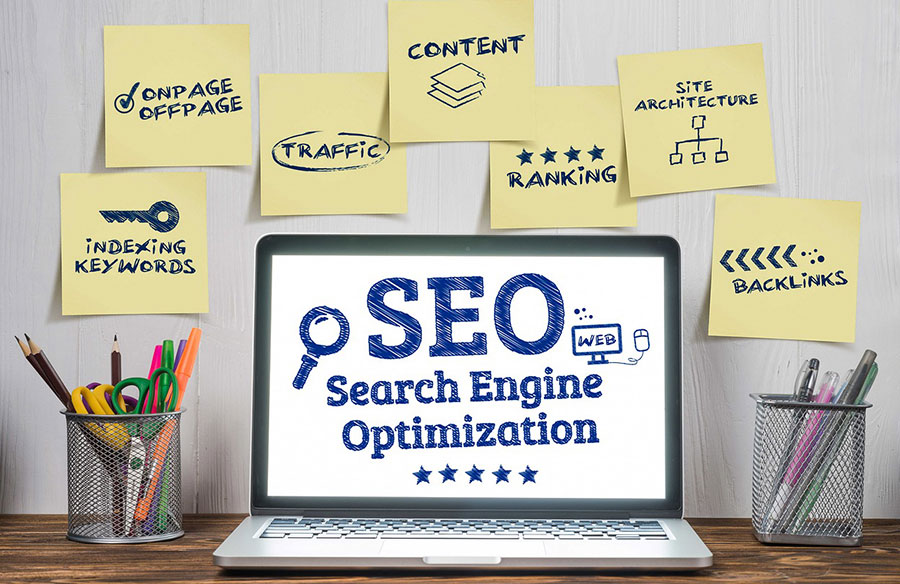
Predictive analytics has taken the digital landscape up a notch for digital marketers, putting them in the driving seat with SEO forecasting trends.
Predictive analytics basically uses previous trends, data, and algorithms to predict future user behaviors and search trends. With this insight into future patterns, it becomes easier to re-strategize and optimize for search engines.
However, it’s important to have some information about which data type uses historical data to make decisions in the present and how the whole predictive analytics works in the real world. Let’s find out more about it now!
What is Predictive Analytics?
Basically, predictive analytics is understanding the historical data with respect to search patterns and using that to forecast future behaviors. For instance, what is the most searched thing on Google? You can find it easily by using the Internet. But you also need more data to predict anything for the future.
This is where you may have to invest in a paid SEO tool, like Moz, for example. It’s true that Google Analytics and Search Console still help, but sometimes, you need additional features. If you focus on analyzing keyword trends, managing content, and estimating rankings, Moz may help. Still, you should read a comprehensive Moz review to compare its other features with its price to see if it really makes sense in your case.
However, when focusing primarily on predictive analytics, you need to use a combination of tools and check various factors.
Some main factors are:
- Analyzing data to discover insights;
- Using data and Google search statistics to predict outcomes;
- Better predictions with algorithms based on artificial intelligence;
- Analyzing text to gain insights from raw data.
Some basic tools and approaches are:
- Predicting the relationship between variables using regression analysis;
- Using a classification model to predict potential outcomes;
- Artificial Intelligence-powered algorithms that identify patterns like the human mind;
- Combining data with similarities into segments.
Predictive analytics models are created by data analysts and specialists using specific software such as Python. The developed models are used to predict user behaviors by studying data.
How Predictive Analytics Benefits SEO
Predictive analytics is used in search engine optimization to offer insights into future trends, keywords, and user patterns, using what users have searched on Google in the past. This data allows digital marketers to preemptively tweak their strategies and gain a competitive edge.
Let’s take a look at how SEO uses predictive types of analysis:
- Analyzing Keyword Trends: The predictive analysis tools sift through old data to evaluate search patterns and offer keyword forecasting, suggesting what will trend in the near future. This helps SEO specialists to optimize their content based on trending topics ahead of time.
- Traffic Projection: Based on past data on website traffic, predictive analytics can estimate the future flow of traffic, which can be used to set targets and goals by marketers. It can also help identify any issues in a timely manner so they can be rectified.
- Ranking Estimations: AI-based algorithms can evaluate competitor data and rankings and make calculated estimations of future website rankings based on keywords. This helps optimize link-building efforts and focus on content quality.
- Content Engagement: These models can be used to identify which topics and types of content are likely to keep the users engaged, which helps in revising content strategy for optimization.
- Algorithm Effects: Taking into account the impact of past algorithm updates on user engagement and SEO rankings, predictive analytics projects how future updates will impact SEO performance and website traffic.
To make the best use of predictive analytics for SEO, digital marketers need access to holistic past data from sources such as:
- Website Data: Google Search Console or Google Analytics;
- Keyword Research: There are many SEO tools available for keywords and competitor research;
- Engagement SEO Metrics: social media analytics;
- Trend reports and search databases.
The most important point for digital marketers to remember is that predictive analytics SEO offers great insight; however, SEO projections are still relatively new, and the variables are constantly changing. To make the best use of predictive analytics, take them as one of the factors when developing strategies for search engine optimization.
How to Set Up Predictive Analytics
Let’s take a look at how best to incorporate predictive analytics in search engine optimization, keeping the focus on collecting data and making the right decisions.
Data Collection
The very first thing to do when incorporating predictive analytics is to collect data. This can mean getting data from various sources to optimize the efforts. Some data collection sources are:
- Website Analytics: Website traffic, session time, bounce rates, and conversion rates can be taken from Google Analytics
- Search Engine Data: Click-through rates, keyword searches, and rankings can be obtained from Google Search Console
- Competitor Analysis: Moz can reveal the performance status, keywords, and backlink strategies of competitors
- Social Media Metrics: Engagement, likes, shares, and discussions can reveal information that can aid in SEO strategies
- Market Trends: Market research and digital reports can provide insight into user behavior.
Gathering detailed and quality data is very important for predictive analytics to offer valuable insights about future Google search trends.
Data Preparation
The next step after gathering data is to prepare it, which means cleaning and organizing it in a suitable form for predictive analysis. The steps involved are:
- Data Cleaning: Rectifying errors, deleting duplicate data, and managing missing values
- Data Transformation: Decoding the data into a single format so that all variables are readable
- Creating Features: Creating classifications of data, such as combining keywords with CTR to determine a new performance indicator.
- Integrating Data: Combining data from various platforms to create a comprehensive data pool.
By preparing the data, we can ensure that predictive analytics will have authentic data to analyze, leading to accurate SEO predictions.
Selecting the Best Tools
When it comes to integrating predictive analytics with SEO, choosing the best tools is very important as it may impact the results. Some available tools are:
- Google Search Console & Google Analytics: These are ideal for search queries and website data analysis/
- SEO Tools: Moz is perfect for analyzing SEO data/
- Data Analysis: SQL and Python allow for analyzing statistical data and are used to build predictive models.
- Artificial Intelligence Platforms: Azure and TensorFlow are tools that offer more comprehensive development opportunities for predictive models.
- Visualization Tools: Tools like Power BI help in the visualization of data trends, which is easily understandable by digital marketers.
The choice of tools for implementing predictive analytics plays an important role in how effectively marketers can predict SEO patterns and trends.
Integrating Predictive Analytics for SEO
The predictive models can predict future SEO trends once they have successfully analyzed the past Google trend and data.
Predictive SEO forecast models can tell a lot about the frequency of searches for certain keywords, making it easier for SEO experts to get ahead of the curve. They can also predict how changes to content and link-building strategies will affect future website traffic.
Predictive models can also learn from previous algorithms and their impact on user engagement and utilize that learning to predict outcomes of future algorithm updates.
The best use of predictive analytics for search engine optimization is when the outcomes of these predictions can be used to revise strategies to be more effective. For example, if the prediction says that searches for certain keywords will decrease, then the content strategy needs to be revised.
The best practices that SEO experts are deploying to gain maximum advantage from predictive analytics are:
- Recognize keywords that will be gaining traction in the future early on;
- Predicting trends to revise content strategies;
- Forecasting which topics and formats will be more engaging;
- Preparing for changes in user behavior and engagement;
- Predicting the return on investment in various SEO efforts to optimize plans.
Challenges and Limitations
Undoubtedly, predictive analytics have great potential and can forecast SEO trends, but the whole system still has many limitations.
For starters, the accuracy of these predictive models varies a lot and is just as good as the quality of historical data used to train them. These predictions become less reliable when you consider that SEO data is often incomplete and lacks sufficient history.
Similarly, the ever-changing search landscape means these predictive models need to evolve constantly. Therefore, so many models trained on past data quickly become redundant, making it difficult to decide anything based on the information they produce.
However, emerging technologies suggest things are likely to get better in the future. Artificial Intelligence and machine learning will truly help improve pattern detection and anomaly identification. This means that deep learning models will be better positioned to uncover complex relationships in SEO data.
Similarly, NLP and unified data and models will simplify big data processing, which will likely make it easier to analyze SEO data in real-time.
Conclusion
Predictive analytics can help SEO specialists and marketers identify new trends way before they actually become strong. Of course, there are so many limitations, but things will improve thanks to the change fueled by AI and big data. In fact, it seems that paying attention to predictive analytics will become mandatory for SEO success. So, be sure to embrace it now to turn your online business into a real success story.







