

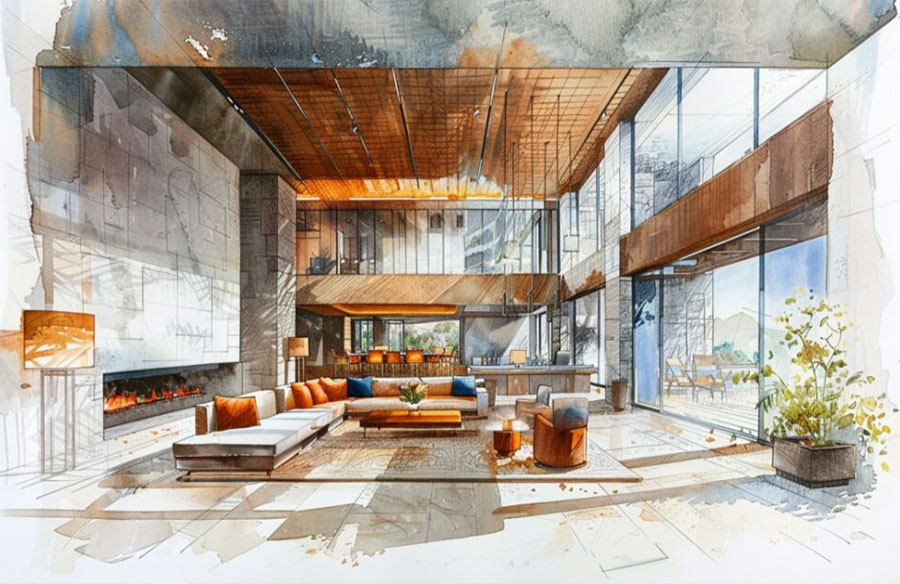
In today’s world, interior design is no longer just about aesthetics; it’s about creating spaces that reflect our values, support our well-being, and contribute positively to the environment. Sustainable living is at the forefront of this evolution, influencing how we design, build, and inhabit our homes. As more people seek ways to live in harmony with the planet, sustainable interior design has emerged as a powerful approach to creating beautiful, functional spaces that also promote environmental stewardship.
What Is Sustainable Interior Design?
Sustainable interior design is a philosophy that incorporates environmentally friendly principles into the design, construction, and operation of interior spaces. The goal is to reduce the environmental impact of our homes while enhancing the health and well-being of those who live in them. This approach goes beyond simply choosing eco-friendly materials; it involves a holistic view of how a space is designed, constructed, and used over time.
Key principles of sustainable interior design include:
- Use of Eco-Friendly Materials: Prioritizing materials that are renewable, recycled, or have a low environmental impact. This includes choosing sustainably sourced wood, recycled metal, natural fibers, and non-toxic finishes.
- Energy Efficiency: Designing spaces that minimize energy consumption through proper insulation, energy-efficient appliances, and lighting. This also involves maximizing natural light to reduce the need for artificial lighting.
- Water Conservation: Implementing water-saving fixtures and systems to reduce water usage. This can include low-flow faucets, efficient irrigation systems, and the use of native plants in landscaping.
- Waste Reduction: Minimizing waste through recycling, repurposing materials, and designing spaces that have a longer lifespan, reducing the need for frequent renovations or replacements.
- Healthy Indoor Environment: Ensuring good indoor air quality by using materials that are free of harmful chemicals and promoting ventilation to reduce pollutants.
- Local and Ethical Sourcing: Supporting local artisans and manufacturers who prioritize sustainable practices. This reduces the carbon footprint associated with transportation and supports ethical labor practices.
The Role of Biophilic Design
Biophilic design, a key component of sustainable interior design, focuses on reconnecting humans with nature. This approach integrates natural elements into the built environment to create spaces that not only look beautiful but also support mental and physical well-being.
Key elements of biophilic design include:
- Natural Light: Maximizing the use of natural light to create a bright and uplifting environment. This can be achieved through large windows, skylights, and open floor plans.
- Plants and Greenery: Incorporating indoor plants and green walls to bring nature indoors. Plants improve air quality, reduce stress, and create a sense of tranquility.
- Natural Materials: Using materials like wood, stone, and natural fibers that evoke a connection to the natural world. These materials add warmth and texture to a space, creating a soothing atmosphere.
- Water Features: Integrating water elements, such as fountains or indoor ponds, to introduce the calming effects of water into the home.
Biophilic design not only enhances the aesthetic appeal of a space but also aligns with sustainable living by promoting energy efficiency and reducing the need for artificial resources.
Designing for Health and Well-Being
Sustainable interior design goes hand-in-hand with the concept of designing for health and well-being. Our homes should be sanctuaries that nurture our bodies and minds, and sustainable design practices contribute significantly to this goal.
One of the key aspects of designing for well-being is creating a healthy indoor environment. This means using materials and finishes that are free from volatile organic compounds (VOCs) and other harmful chemicals that can negatively impact indoor air quality. Additionally, proper ventilation is essential to ensure that fresh air circulates throughout the home, reducing the concentration of indoor pollutants.
Color psychology also plays a role in designing for well-being. Different colors can evoke different emotions and responses, so it’s important to choose a color palette that supports the intended purpose of each space. For example, soft blues and greens can create a calming atmosphere in bedrooms, while vibrant yellows and oranges can energize a home office or workout space.
The Role of Feng Shui in Sustainable Design
Feng Shui, the ancient Chinese art of placement, is increasingly being integrated into sustainable interior design. This practice focuses on the flow of energy (Chi) in a space and how it can be optimized to promote harmony and balance.
Incorporating Feng Shui principles into sustainable design involves considering the orientation of a building, the placement of furniture, and the use of colors and materials to create a balanced environment. For example, placing furniture in a way that promotes good energy flow can enhance the functionality and comfort of a space. Similarly, choosing colors and materials that align with the Five Elements (Wood, Fire, Earth, Metal, Water) can create a more harmonious environment.
Feng Shui also encourages the use of natural elements, such as plants and water features, which align with the principles of biophilic design. By combining Feng Shui with sustainable practices, you can create a home that not only looks and feels good but also supports your overall well-being and environmental goals.
Resources for Sustainable and Mindful Living
For those interested in exploring sustainable interior design further, www.aalign.com is an excellent resource. This platform inspires people to create spaces that embody beauty, balance, and wellness. Aalign is a rich resource of ideas and insights that encourage individuals to create “mindful living spaces” that “align” with their intended purpose.
Aalign’s approach beautifully fuses ancient wisdom with modern, holistic, biophilic, sustainable, and Feng Shui design principles. The website provides valuable information on how to create spaces that are not only aesthetically pleasing but also promote good vibes and creativity. Whether you’re looking to redesign your entire home or make small, impactful changes, Aalign offers guidance on how to infuse your space with intention and purpose.
Practical Tips for Sustainable Interior Design
If you’re ready to start incorporating sustainable practices into your home design, here are some practical tips to get you started:
- Choose Sustainable Materials: Opt for materials that are renewable, recycled, or locally sourced. Bamboo, reclaimed wood, and recycled glass are great options for sustainable interiors.
- Maximize Natural Light: Design your space to take advantage of natural light. This reduces the need for artificial lighting and creates a bright, inviting atmosphere.
- Incorporate Plants: Bring the outdoors in by adding indoor plants. Not only do they improve air quality, but they also add life and color to your space.
- Invest in Quality: Choose furniture and finishes that are durable and timeless. Investing in high-quality pieces reduces the need for frequent replacements, which is more sustainable in the long run.
- Reduce Waste: Be mindful of waste when renovating or redecorating. Donate or recycle old furniture and materials instead of sending them to the landfill.
- Support Local Artisans: Whenever possible, buy from local artisans and manufacturers who prioritize sustainable practices. This supports your community and reduces the environmental impact of transportation.
Creating a Space That Reflects Your Values
Sustainable interior design is not just a trend; it’s a way of living that reflects a commitment to the environment and personal well-being. By making mindful choices about the materials, products, and practices you use in your home, you can create a space that is not only beautiful but also aligned with your values.
Whether you’re renovating an existing space or designing a new one, incorporating sustainable practices into your interior design is a powerful way to contribute to a healthier planet while creating a home that supports your health and happiness. Websites like aalign.com offer valuable resources and inspiration for anyone looking to make their living spaces more sustainable, mindful, and in harmony with the world around them.
Embrace the journey of sustainable living through the art of interior design, where every choice you make brings you closer to a home that truly resonates with your values and aspirations.







