

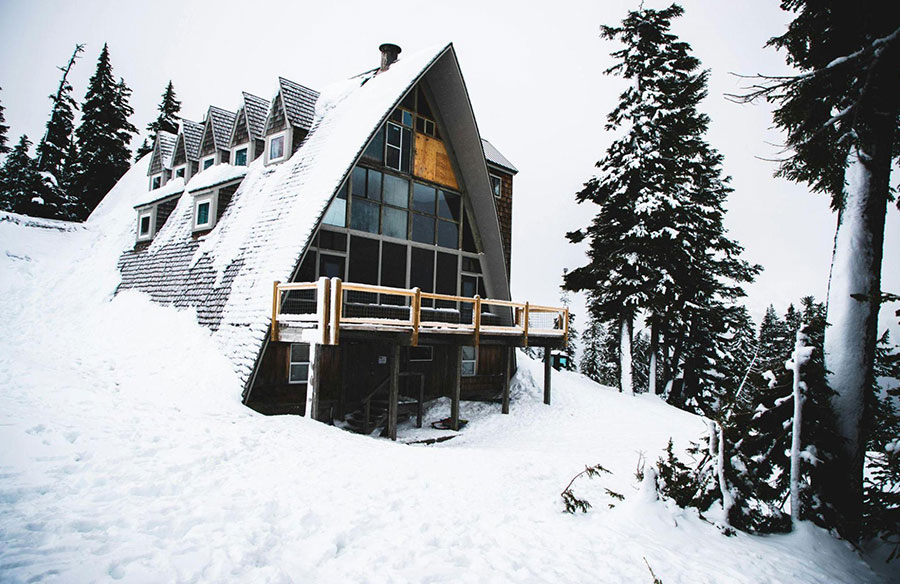
As the temperature starts to drop in Denver, it’s time to think about getting your home ready for winter. Denver’s winters can be harsh, with cold winds, heavy snow, and freezing temperatures. Preparing now can save you from headaches when the cold weather hits. The last thing anyone wants is to deal with unexpected repairs in the middle of a snowstorm.
This article will cover essential tips to prepare your home for winter, focusing on areas that homeowners often overlook.
1. Inspect and Maintain Your Roof: The First Line of Defense
Your roof is your home’s first line of defense against the elements, and it’s especially crucial during winter. A well-maintained roof can prevent leaks, ice dams, and other issues that could lead to costly repairs. Before the winter weather sets in, inspect your roof and address any potential problems.
Start by looking for missing, damaged, or curled shingles. These are signs that your roof may not provide adequate protection against the snow and ice. Damaged flashing around chimneys, vents, and skylights can also allow water to seep in, leading to leaks and water damage inside your home. If you notice any of these issues, it’s important to address them promptly.
In Denver, where the weather can be particularly harsh, it’s wise to have a professional roof inspection. A trusted local company like Sol Vista Roofing can provide a thorough assessment of your roof’s condition and recommend necessary repairs. For more information or to schedule an inspection, visit solvistaroofing.com
2. Insulate Your Home: Keep the Cold Out
One of the most effective ways to keep your home warm during winter is to make sure it’s well-insulated. Insulation acts as a barrier that prevents heat from escaping, keeping the cold air out and the warmth in. A well-insulated home not only stays comfortable but also helps reduce your energy bills, as your heating system won’t have to work as hard.
Start by checking for drafts around your windows and doors. Even small gaps can let in a significant amount of cold air. Sealing these gaps with weatherstripping or caulk is an easy and cost-effective way to prevent heat loss.
3. Check Your Heating System: Stay Warm and Safe
A well-maintained heating system keeps you warm and helps prevent potential hazards like carbon monoxide leaks.
Before the cold weather sets in, schedule a professional inspection of your heating system. A technician can check for any issues, clean the components, and make any necessary repairs. This will help ensure that your system is running efficiently and reduce the risk of breakdowns during the winter months.
In addition to a professional inspection, there are a few things you can do yourself. Start by replacing the filters in your heating system. Dirty filters can reduce airflow, making your system work harder and less efficiently. Checking your thermostat is also important. Make sure it’s working correctly, and consider upgrading to a programmable thermostat. This allows you to set different temperatures for different times of the day, helping you save on energy costs without sacrificing comfort.
4. Winterize Your Plumbing: Avoid Frozen Pipes
Frozen pipes are one of the most common and costly problems homeowners face during winter. When water inside the pipes freezes, it expands, which can cause the pipes to burst. This can lead to significant water damage and expensive repairs. Fortunately, there are steps you can take to prevent your pipes from freezing.
Start by insulating any exposed pipes, particularly those in unheated areas like basements, attics, and garages. You can use pipe insulation sleeves or wrap the pipes with heat tape. Another important step is to disconnect and drain outdoor hoses and shut off the water supply to exterior faucets. This will prevent any remaining water in the pipes from freezing and causing damage.
During extremely cold weather, it’s a good idea to keep a slow trickle of water running through your faucets. This can help prevent the water in the pipes from freezing. Additionally, keep your home at a consistent temperature, even when you’re away, to reduce the risk of frozen pipes.
Preparing your home for winter doesn’t have to be overwhelming. By taking these simple steps, you can protect your home from the harsh winter weather and enjoy a warm and comfortable living space all season long. Whether it’s insulating your home, maintaining your roof, or winterizing your plumbing, a little preparation goes a long way in ensuring your home is ready for whatever winter throws its way.
So, as winter approaches, take the time to check off these essential maintenance tasks. Your future self will thank you when the snow starts to fall, and your home remains a cozy space amidst the cold.







