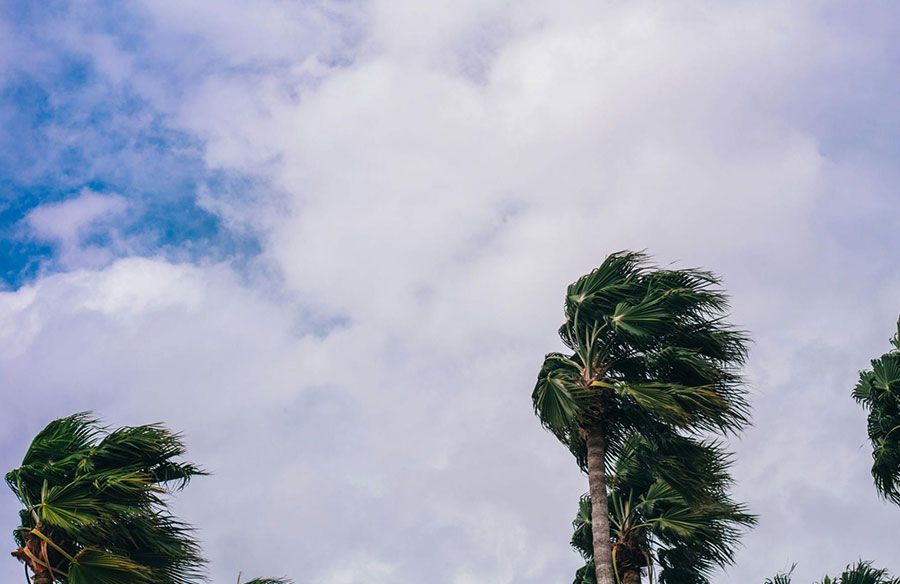
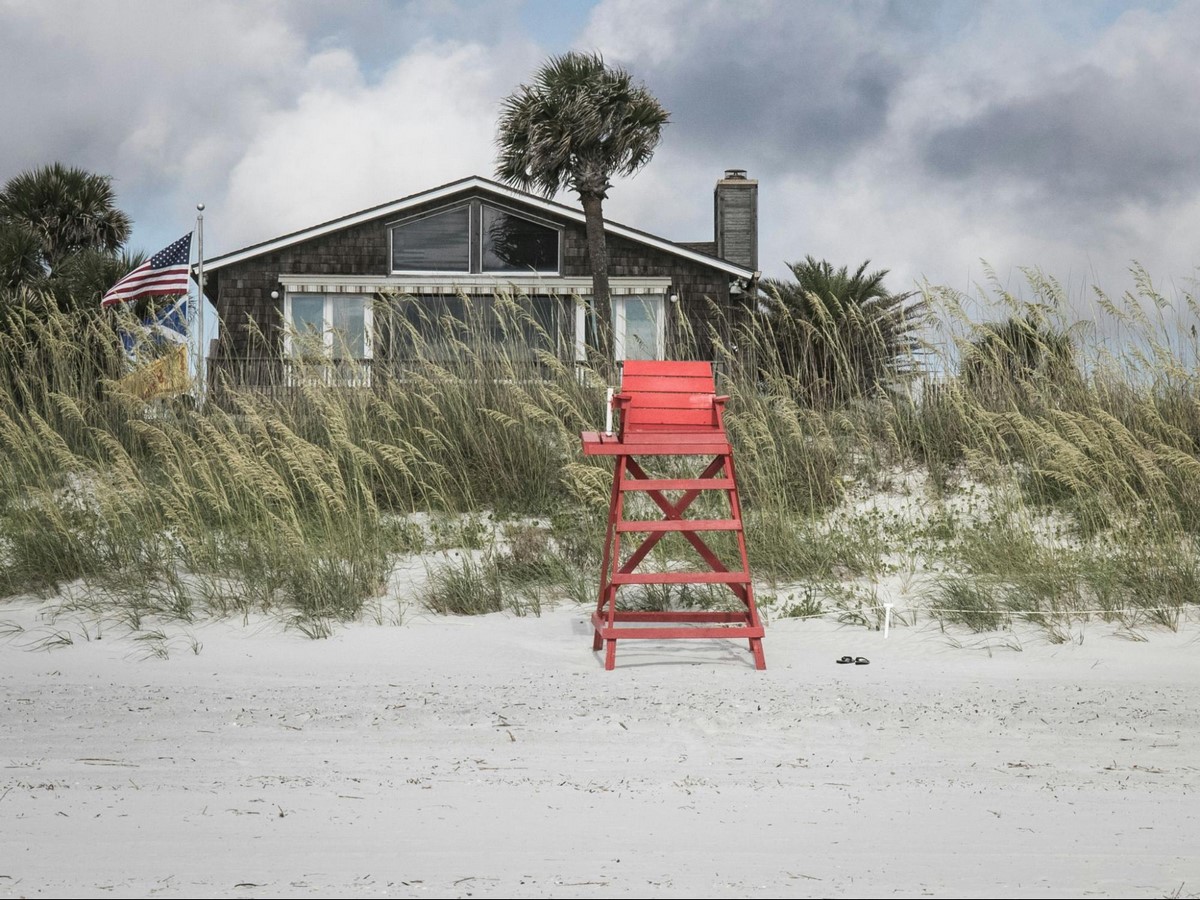
Hurricanes are a constant reality for Florida residents, with each season bringing the looming threat of powerful storms. These natural disasters have a profound impact on homes across the state, causing destruction that can leave families displaced and communities struggling to rebuild. But understanding the specific ways hurricanes affect homes and taking proactive steps to protect them can make a significant difference when the next storm rolls in.
Protecting Your Home: What You Can Do
Consult with a Local Contractor
It’s wise to consult with a local contractor who is familiar with the specific challenges of hurricane-proofing homes in your area. For example, a contractor might suggest upgrading to impact-resistant windows, similar to those offered by Florida Home Improvement Associates, which can provide added protection against storm damage.
They can assess your home’s current safety features, identify vulnerabilities, and recommend improvements tailored to withstand hurricanes. This expert guidance ensures that your efforts to protect your home are both effective and compliant with local building codes, giving you added peace of mind.
Strengthen Your Roof
Given that the roof is often the first thing to go in a hurricane, it makes sense to start here. One of the most effective ways to protect your home is to install hurricane straps or clips, which secure the roof to the walls of the house. These can significantly reduce the chances of your roof being torn off in high winds.
Protect Windows and Doors
Windows and doors are particularly vulnerable during a hurricane, but there are ways to fortify them. Installing impact-resistant windows and doors is a smart move. These are designed to resist shattering, even when hit by flying debris. If upgrading all your windows isn’t feasible, storm shutters offer a more affordable alternative and can be installed when a storm is approaching.
Consider Elevating Your Home
If your home is in a flood-prone area, elevating it might be the best long-term solution. Raising the foundation can keep your home above floodwaters, protecting not just the structure but everything inside. While this is a significant investment, the peace of mind and potential savings in flood damage make it worthwhile for many homeowners.
Secure Outdoor Items
It’s easy to overlook the small things, but in a hurricane, anything left outside can become a projectile. Patio furniture, potted plants, and even garden tools can cause significant damage if they’re picked up by high winds. Before a storm hits, make sure to bring these items inside or secure them to the ground.
Prepare an Emergency Kit
Preparation isn’t just about protecting your home; it’s also about ensuring you’re ready for the aftermath. An emergency kit should include essentials like water, non-perishable food, flashlights, batteries, and first-aid supplies. Don’t forget important documents—keeping copies of insurance papers, identification, and medical records in a waterproof container can save you a lot of trouble later.
Review Your Insurance Coverage
No one likes thinking about insurance until they need it, but in a hurricane-prone area, having the right coverage is crucial. Make sure your homeowners’ insurance covers wind and water damage, and consider adding flood insurance if you don’t already have it. It’s also a good idea to review your policy annually to ensure it keeps pace with rising repair costs and changes in your home’s value.
Understanding the Impact: What Hurricanes Do to Florida Homes
When a hurricane strikes, it’s not just the wind you have to worry about. Sure, wind speeds can easily top 100 miles per hour, and that alone can rip shingles off roofs, shatter windows, and send debris flying through walls. But there’s also the relentless rain, which pours down in sheets, turning streets into rivers and seeping into every crack and crevice of a house.
Consider a scenario where a family in Naples wakes up to the sound of their roof peeling away during a Category 3 hurricane. The wind, having found its way inside, begins to pressurize the home, turning it into a ticking time bomb. All it takes is one more gust, and the roof gives way, exposing the interior to the storm’s full fury.
Flooding is one of the most insidious effects of a hurricane. Even if your home survives the wind, water damage can be devastating. Hurricanes often bring storm surges—essentially walls of water pushed ashore by the storm—which can flood coastal areas in minutes. But it’s not just coastal homes that are at risk. Heavy rainfall can cause rivers to overflow, leading to widespread flooding even miles inland.
Conclusion
Hurricanes are an unavoidable part of life in Florida, but their impact doesn’t have to be catastrophic. Understanding the risks and taking proactive steps to protect your home can help reduce the damage and ensure your family’s safety. While we cannot control the weather, we can control how we prepare for it.
Rethinking The Future (RTF) is a Global Platform for Architecture and Design. RTF through more than 100 countries around the world provides an interactive platform of highest standard acknowledging the projects among creative and influential industry professionals.
We use cookies to ensure that we give you the best experience on our website. If you continue to use this site we will assume that you are happy with it.