

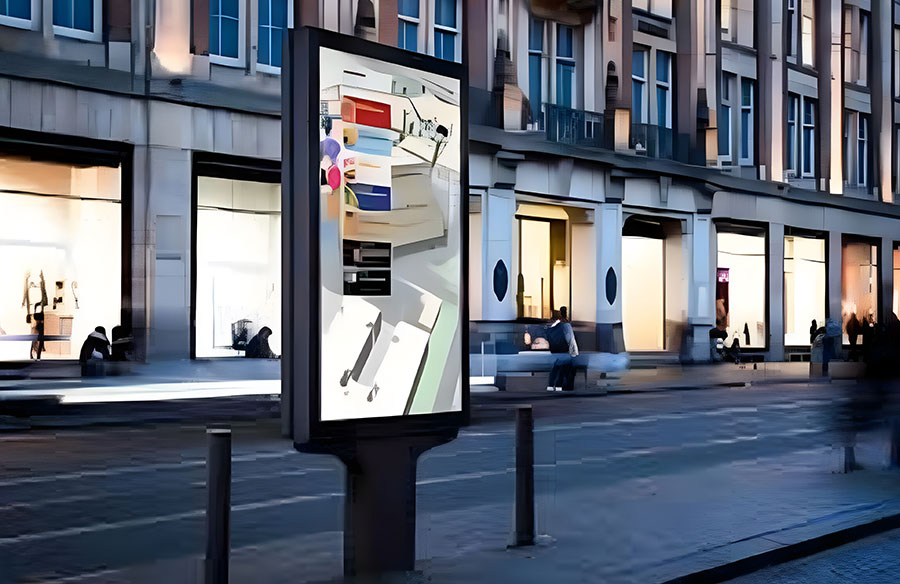
You’ve heard of smart appliances, smart devices and smart cars, but have you ever heard of a smart city? This is the technology of the future that we’ve all heard so much about. A smart city is one that uses digital signage software to make life easier for its residents. Whatever form it takes, the content that is delivered can be highly valuable communities, both in everyday life and during emergencies or disasters. Let’s find out more.
What is a Smart City?
Before you can effectively integrate digital signage into your smart city architecture, it makes sense to understand what makes a city a smart city. Networks, software and data create the infrastructure with the following options being part of the makeup to the city.
- Displays in high resolution that guide and manage the city environment.
- Sensors, using the latest technology, which are designed to detect specific pollutants, weather conditions and traffic.
- Video cameras that use digital technology to scan and monitor streets and intersections as well as common areas that tend to draw a crowd.
- Machine and AI applications that collect and analyze data, helping city stakeholders to detect patterns and trends, for use now and to forecast future events.
With the continued evolution of learning and the creation and use of algorithms, cities are increasingly becoming smarter. In fact, some estimates predict that the industry could reach or surpass $700 billion by 2031. Let’s look at some specific examples.
- New York City uses a series of sensors to make garbage collection faster and more efficient.
- Chicago uses LED lights to control and reduce energy usage for traffic lights.
- San Antonio is committed to using resident feedback for allocating funds for smart city purposes.
Benefits of Digital Signage in Smart Cities
There is a long list of potential benefits that a city can take advantage of when it transitions to smart technology. This increases the efficiency of city systems, informs citizens and can even positively impact the environment and a city’s carbon footprint. Keep reading for a closer look at the many benefits.
Improves Communication and Engagement
Making connections to a city’s residents in public spaces presents huge opportunities. That includes real time public safety alerts, wayfinding, and updates about traffic conditions and weather changes. Digital signage is used to send out alerts, make important announcements and otherwise inform citizens about accidents, severe weather and other vital details that affect the way they live. Interactive digital signs also collect data that can be used to enhance the city’s systems, for the benefit of everyone who lives there.
Enhances Safety and Security
One of the major perks of a smart city is the level of safety it offers to its residents. This encompasses a wide variety of things, such as wayfinding for help getting from place to place. It might also be real time alerts when there is a traffic accident or a weather alert that requires action be taken.
Boosts Public Transportation
In large cities where many people rely on buses, trains and other public transport, digital signage is useful for displaying routes, schedules and alerts so that citizens can get from place to place in a timely manner, while also being safe along the way.
Adds to Amenities and Features
A smart city that uses digital signage has a unique opportunity for offering residents and visitors access to helpful information. That might be a guided tour of the city for those on vacation, or it could be alerts about closed roads or large events, so people can take an alternate route. Full size maps are also a way that digital signs can add value to a smart city.
Supports Energy Efficiency
Digital signs contribute to a smart city’s efforts to reduce waste and build sustainability throughout its architecture. For example, real time traffic updates conserve fuel for drivers, but also lowers the carbon emissions the city has to deal with. The signs can also be used to provide air quality alerts as well as provide residents with steps they can take to add to the efforts of the city.
Uses for Digital Signs
There is a variety of ways that digital signs can be used within a smart city’s plans and architecture.
- Wayfinding and maps, including the city in general, but also during sports games and other events.
- Outdoor displays for advertising city events
- Real time updates for weather changes, traffic alerts and other important announcements that need to reach all citizens.
- Video displays to advertise EV charging stations, which also provide entertainment during wait times.
Summary
Smart cities will continue to grow and thrive and digital signage will be a part of that for many years to come. Integrating the software into the city plans can help both city employees and the people who live there, giving them the information they need to work and live in the metropolis. Smart cities also encourage tourists to visit and boost overall public safety. Most big cities are expected to get on the trend in the next few years so watch for new and innovative ways to live your life as you move forward.







