

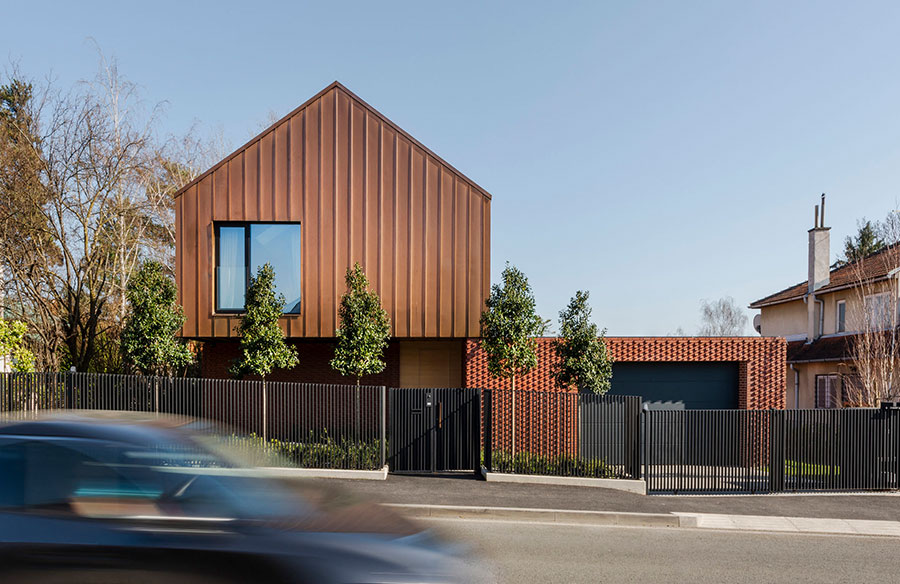
Rainscreen cladding has transformed significantly over the years, evolving from a practical construction method into a sophisticated architectural element. Initially designed to protect buildings from moisture intrusion and improve insulation, it now plays a crucial role in defining the exterior aesthetics of modern structures. This shift highlights how functionality and design can harmonize to create visually striking and structurally sound buildings.
Throughout its evolution, rainscreen cladding has introduced various materials, textures, and color options, which provide architects and designers with unparalleled flexibility in their projects. These advancements have not only enhanced the performance of buildings but have also allowed for greater creativity and innovation in architectural design.
Today’s rainscreen systems seamlessly integrate with other façade elements, ensuring a cohesive and polished appearance. The continuous improvements in materials and techniques reflect the industry’s commitment to both protecting structures and elevating their visual appeal.
Historical Overview of Rainscreen Cladding
Rainscreen cladding has evolved significantly over time, initially serving essential protective functions before incorporating more advanced materials.
Early Developments and Usage
The initial concept of rainscreen cladding dates back to ancient civilizations, where rudimentary methods were used to protect structures from moisture. Early examples include basic wooden structures with overlapping boards.
In medieval Europe, builders used stone and masonry to create facades, an early form of rainscreen principles. These designs provided a simple yet effective barrier against rain and harsh weather conditions. The primary focus was on durability and functionality.
By the 20th century, more structured rainscreen techniques began to emerge. Scandinavian architects, for instance, used double walls to manage moisture more effectively. These early developments created a foundation for future innovations in materials and design.
Technological Advancements in Materials
Advancements in material science revolutionized rainscreen cladding from the latter half of the 20th century. Materials like aluminum, fiber cement, and high-pressure laminates introduced greater durability and aesthetic flexibility. These materials allowed for lighter, stronger, and more weather-resistant cladding solutions.
In the 1980s and 1990s, the emergence of ventilated facades marked a significant technological leap. This innovation improved moisture management and thermal regulation, making buildings more energy-efficient.
Modern rainscreen systems often incorporate sustainable and eco-friendly materials, addressing environmental concerns. These advancements not only enhance the functional aspects but also broaden the design possibilities for architects and builders.
Principles of Rainscreen Cladding Design
Rainscreen cladding systems are designed to protect buildings from the elements while also enhancing their thermal performance and structural integrity.
Ventilation and Drainage
Effective ventilation and drainage are critical for rainscreen cladding systems. Ventilation gaps allow air to circulate behind the cladding, reducing the risk of moisture accumulation. Drainage channels facilitate the removal of water, preventing damage to the building’s structure.
- Proper airflow is essential.
- Moisture control is a priority.
- Drainage systems must be integrated seamlessly.
Ventilation and drainage systems help in prolonging the lifespan of the building materials.
Thermal Performance
Thermal performance in rainscreen cladding involves optimizing insulation to improve energy efficiency. Using high-performance insulation materials can significantly reduce heat loss. Proper installation techniques are crucial to avoid thermal bridging, where heat escapes through gaps or poorly insulated areas.
- Insulation materials should have high R-values.
- Minimize gaps and ensure continuous insulation.
- Evaluate thermal conductivity of materials.
Maintaining thermal efficiency reduces energy costs and enhances indoor comfort.
Structural Considerations
The structural integrity of rainscreen cladding depends on robust support systems. Support brackets, fixings, and the main framework must withstand wind loads and other stresses. Material selection is vital for long-term durability, ensuring they can handle environmental conditions.
- Support systems should be corrosion resistant.
- Fixings need to be strong and durable.
- Regular inspections can identify potential issues early.
Structural stability ensures the cladding system performs efficiently over time.
Material Evolution in Rainscreen Cladding
Rainscreen cladding has evolved significantly in both function and aesthetics. The materials used range from traditional options to modern composite and synthetic innovations, reflecting advancements in technology and design preferences.
Traditional Materials
Traditionally, rainscreen cladding relied on materials such as wood, brick, and natural stone. Each offered inherent advantages.
- Wood was favored for its natural appearance and ease of workability. It provided a warm and classic look but required regular maintenance to prevent decay and damage from weather.
- Brick provided durability and fire resistance, making it a long-lasting option. Its thermal mass helped in energy efficiency, but it was often heavier and more labor-intensive to install.
- Natural stone, such as granite and limestone, offered a robust and timeless aesthetic. It provided excellent protection against elements but at a higher cost and installation complexity due to its weight.
Traditional materials offered reliable performance but often lacked ease of installation and required significant maintenance.
Innovations in Composite and Synthetic Materials
The advent of composite and synthetic materials revolutionized rainscreen cladding. Fiber cement became popular for its durability, resistance to rot, and minimal maintenance. Combining cellulose fibers, sand, and cement, it mimicked the appearance of wood or stone while offering greater resilience.
- High-Pressure Laminates (HPL) provided vivid colors and design flexibility. These materials were lightweight, easy to install, and resisted weathering.
- Metal composites, such as aluminum and zinc, became prominent for their modern look and corrosion resistance. They were lightweight, easy to form, and recyclable, appealing to sustainable building practices.
- Plastic composites and synthetic panels offered further customization options. Materials like Polyvinyl Chloride (PVC) or GRP (Glass Reinforced Plastic) provided resistance to mold and harsh weather while enabling intricate designs and cost-effective solutions.
Innovations in these materials reduced maintenance requirements, increased durability, and allowed for greater aesthetic versatility.
Aesthetic Functionality in Modern Architecture
Modern rainscreen cladding serves not just for protection but also enhances architectural aesthetics. By integrating with building design and embracing customization, it provides both functionality and visual appeal.
Integration with Building Design
Rainscreen cladding today is often designed to complement the architectural style of buildings. Architects and designers work closely to ensure that cladding materials blend seamlessly with the overall structure, creating a cohesive look.
Materials such as metal, wood, and composite panels are chosen to match or contrast with existing elements. Effective integration can emphasize a building’s features, like highlighting a facade or an entryway. Careful selection of color, texture, and material allows for creative expression while maintaining structural integrity.
Customization and Trends
Customization options for rainscreen cladding are extensive, providing architects with vast creative freedom. Modern trends include the use of bold colors, intricate patterns, and textured finishes.
Advances in manufacturing enable bespoke designs, allowing unique visual effects. Sustainability is also a primary trend, with many opting for eco-friendly materials like reclaimed wood or recycled metals. Additionally, the use of parametric design allows for dynamic and personalized aesthetic solutions, aligning with the push towards innovative and sustainable architecture.
Sustainability and Ecological Impact
Sustainability plays a critical role in modern rainscreen cladding, with emphasis on using eco-friendly materials and meeting energy efficiency standards. These aspects reduce environmental footprint and promote responsible building practices.
Environmentally Friendly Materials
Modern rainscreen cladding often features materials like recycled aluminum, wood, and fiber cement. Recycled aluminum is popular for its durability and recyclability. Wood, sourced from sustainably managed forests, provides a natural aesthetic while being biodegradable.
Fiber cement combines recycled wood pulp with cement, offering a hardy and low-maintenance option. Manufacturers now prioritize low-VOC paints and finishes to minimize environmental toxins. These innovations enhance sustainability while maintaining performance and visual appeal.
Energy Efficiency and Green Building Standards
Rainscreen cladding contributes to energy efficiency by providing an insulating barrier that reduces heating and cooling demands. Improved thermal performance lessens energy consumption and operational costs.
Green building standards, such as LEED and BREEAM, emphasize these benefits. Rainscreen systems meeting these criteria often include features like ventilated facades, which improve air circulation and reduce mold risk. Some systems incorporate photovoltaic panels for renewable energy generation, further boosting sustainability credentials.







