

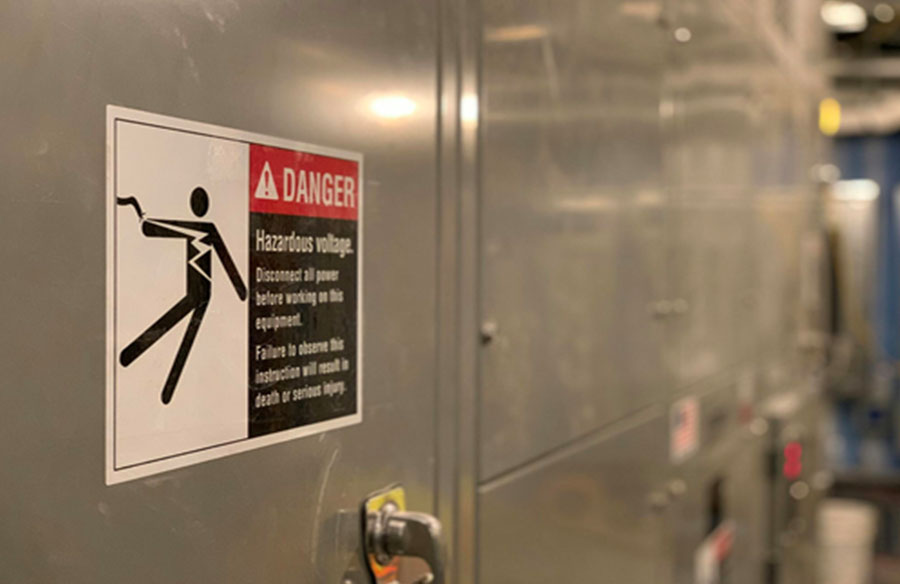
Caution signs are more than just bright colors and bold letters, they are vital tools for safety. In our fast-paced world, accidents can happen in a blink. That’s where these safety signs come in!
They grab attention and communicate important warnings quickly. By using them effectively, we can help prevent injuries and keep everyone safe.
But how can you leverage these warning signs to create a safer environment? Let’s find out!
Choose the Right Sign for the Situation
Selecting the appropriate caution sign is crucial for effective communication. First, consider the specific hazard present.
For example, if there is a risk of slipping due to wet floors, a “Wet Floor” sign is ideal. It indicates the danger and prompts caution.
Next, think about the location of the sign. Place it close to the hazard so that it is easily visible. Remember, high-traffic areas should have clear signs that can be seen from a distance.
Lastly, use simple language and universally recognizable symbols. These public safety measures ensure everyone understands the message quickly.
Ensure Visibility and Accessibility
It is crucial to make caution signs visible and accessible for them to be effective. They should be placed at eye level in well-lit areas. This allows individuals to notice the sign quickly.
It is also best to use contrasting colors to make the sign stand out against its background. For example, a bright yellow “Danger 440 Volts Sign” will capture attention and convey the seriousness of the risk.
Additionally, avoid placing them where they might be obstructed by objects, foliage, or other barriers. This will help ensure that the message is not missed.
Educate and Train Employees
Employees should understand the different types of hazard warning signs and their meanings. Regular training sessions can help reinforce this knowledge. Additionally, incorporate real-life scenarios to demonstrate how signs can prevent accidents.
It is also beneficial to conduct safety drills. These drills can showcase the proper response to hazards.
Lastly, create a culture where safety is a priority. Recognize employees who follow safety guidelines. This will foster awareness and responsibility among your team.
Use Multiple Signs for Complex Hazards
In some situations, a single caution sign may not be enough. For complicated risks, it is best to use multiple signs to provide complete information.
For example, hazardous materials storage areas should have a combination of “Flammable” and “No Smoking” signs. This conveys the danger of flammable substances as well as the necessary precautions to prevent accidents.
Plus, it reinforces the message and increases visibility.
Keep Signs Up to Date
As work environments and hazards change, so should your caution signs. Ensure that all of them are up to date and reflect current safety protocols. This includes:
- replacing old or faded signs
- updating language and symbols with industry standards
- removing signs for hazards that no longer exist
Moreover, regularly inspect and replace damaged or missing signs. This will help maintain the effectiveness of your safety communication.
Tips to Reduce Accidents with Caution Signs
Caution signs play a crucial role in ensuring safety. By choosing the right signs, ensuring visibility, and educating your team, you can significantly reduce accidents. Remember, safety is a collective responsibility.
Let’s commit to a safer environment together. Review your safety signs and keep everyone informed. Start today!
Did you find this article helpful? Check out the rest of our blog now!







