

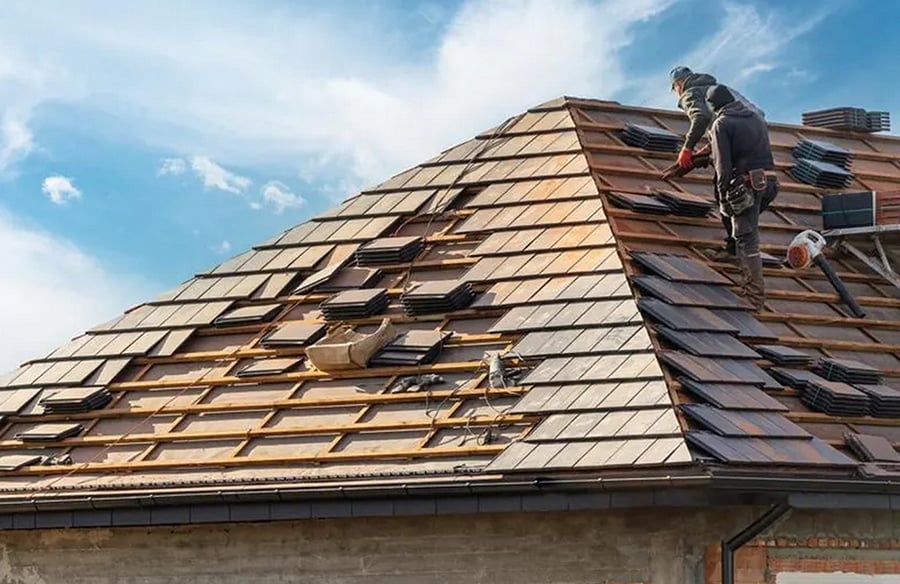
Replacing a roof is a significant decision for homeowners, and understanding the costs involved can help you plan effectively.
Typically, you can expect to pay between $6,700 and $25,000 for a roof replacement, with an average cost around $14,000 for a standard 2,000 square foot home. Factors like the type of the roofing materials you choose, the design of your roof, and local labor rates will affect the final price.
If your roof shows signs of age, damage, or leaks, it’s essential to address these issues promptly. Delaying a replacement can lead to more extensive damage and higher costs down the line. Knowing the price range for roof replacement allows you to budget appropriately and avoid surprises during the process.
By being informed about the factors that influence roof replacement costs, you can make better choices that suit your budget and needs. Whether you opt for asphalt shingles or metal roofing understanding your options is key to a successful home improvement project.
Understanding Roof Replacement
Replacing your roof is a big decision that involves understanding the key components of a roof system and the lifespan of different roofing materials. Knowing these details can help you make informed choices.
Key Components of a Roof System
A roof is made up of several components that work together to protect your home. These include:
- Roof Decking: This is the foundation of your roof, usually made of plywood or oriented strand board (OSB). It supports everything above it.
- Underlayment: This is a protective layer placed over the decking. It acts as a moisture barrier.
- Roofing Material: Common options include asphalt shingles, tiles, or metal. Each has its own cost, durability, and aesthetic appeal.
- Flashing: This is metal that directs water away from critical areas like chimneys and vents.
- Drains and Gutters: These help manage water flow and prevent leaks.
Understanding these elements helps you know what to expect during a full or partial roof replacement, and how each part affects the overall cost.
Life Expectancy of Roofing Materials
Different roofing materials have varying lifespans, impacting long-term costs. Here are some common types and their expected durations:
- Asphalt Shingles: Typically last 15-30 years. They are affordable and popular but may require more frequent roof repairs.
- Metal Roofing: Can last 40-70 years. It’s durable and energy-efficient but has a higher upfront cost.
- Tile Roofing: Known to last over 50 years. This material offers a unique look but can be heavy and more costly.
- Wood Shingles: Generally last 20-30 years. They provide aesthetic appeal but require regular maintenance.
Your choice of material will influence the cost of a new roof, so consider both initial expenses and long-term value.
Materials and Choices
When deciding on a roof replacement, you have various materials to choose from. Each material offers distinct advantages regarding durability, cost, and aesthetic appeal. Understanding these choices will help you make an informed decision for your home.
Comparing Material Durability and Cost
Different roofing materials vary in both durability and cost. Here’s a quick comparison:
| Material | Durability (years) | Cost per Sq. Ft. |
| Asphalt Shingles | 15-30 | $4.50 – $8.00 |
| Metal | 40-70 | $7.00 – $12.00 |
| Slate | 75+ | $10.00 – $20.00 |
| Wood (Cedar Shake) | 20-40 | $5.00 – $10.00 |
| Tile | 50+ | $6.00 – $12.00 |
Asphalt shingles are popular due to their balance between cost and longevity. Metal roofs are more expensive but last much longer, making them a worthy investment. Slate is the most durable, yet it comes at a premium. Cedar shakes provide a natural look but require more maintenance. Tile offers durability with a unique aesthetic but can also be costly.
Eco-Friendly and Energy-Efficient Options
For those concerned about the environment, there are eco-friendly roofing materials. Metal roofing, for instance, is fully recyclable and can reflect sunlight, which may help lower energy costs.
Another option is cool roofing materials, such as specialized shingles or tiles that reflect more sunlight. This can improve your home’s energy efficiency.
Cedar shakes can also be sustainable if sourced from managed forests.
When choosing roofing materials, consider also the underlayment. A quality underlayment can improve water resistance and energy efficiency.
Cost Factors in Roof Replacement
When considering roof replacement, several key factors influence the overall cost. Understanding how these elements affect pricing can help you budget effectively and make informed decisions.
How Size and Complexity Affect Pricing
The size of your roof plays a significant role in determining the total cost of replacement. Roofing contractors often charge based on the total area measured in square feet. On average, you can expect costs ranging from $4.50 to $8.00 per square foot for asphalt shingles.
Complex designs can increase labor costs. Features like multiple slopes, dormers, and intricate patterns require more time and expertise. For instance, a basic gable roof may be less expensive to replace than a roof with several levels and pitches.
Consider the size and architectural design when estimating your new roof cost. A straightforward roof can help keep expenses lower, while a more complex structure will likely raise costs.
Roof Slope and Accessibility Issues
The slope of your roof can significantly affect labor costs. Steeper roofs require additional safety measures and more careful handling, increasing labor time. Roofs with a high pitch may cost more to replace than a low slope.
Accessibility also plays a part. If your home is difficult to reach, or if there are obstacles like trees or power lines, cleanup costs and labor time may go up. For example, if a roof is hard to access, contractors may need special equipment, which could raise the total labor costs.
Understanding these aspects can guide you in selecting the right materials and approaches, ultimately helping you manage your roofing costs effectively.
Choosing the Right Contractor
Selecting a roofing contractor is crucial for ensuring a successful roof replacement. It’s important to assess their qualifications and understand the terms of your contract and warranty.
Evaluating Qualifications and Reviews
Before choosing a contractor, research their qualifications. Look for licenses and insurance coverage to ensure they comply with local regulations.
Check these points:
- License status
- Liability insurance
- Workers’ compensation insurance
Reading customer reviews is essential. Platforms like Google and Yelp can provide insights into their reputation. Focus on feedback regarding workmanship, timeliness, and customer service.
Consider contacting previous clients to ask about their experiences. Ask specific questions about quality and post-project support. This information helps you evaluate if they are reliable roofing pros.
Understanding Contract and Warranty Options
Carefully review the contract before signing. It should detail the scope of work, materials, timeline, and payment schedule. Ensure it includes clauses for unexpected costs or changes.
Ask about warranties. A good roofing contractor will offer a workmanship warranty to cover repairs or defects.
Key warranty types include:
- Roofing warranty: Covers materials and defects.
- Workmanship warranty: Covers the installation quality.
Understand the duration of these warranties and what they cover. Knowing these details protects your investment and ensures peace of mind throughout the project.
Additional Considerations
When planning for a roof replacement, you should pay attention to specific features of your roof and local regulations. Understanding these factors can help you prepare for potential costs and ensure compliance with local standards.
Dealing With Roof Features
Your roof may have unique features that affect the cost and complexity of the replacement. These features can include chimney flashing, skylights, or roof vents. Make sure to account for these in your budget, as they often require additional work.
For instance, adding or replacing a skylight may cost anywhere from $500 to $3,000, depending on the size and type. Additionally, if your roof has multiple levels or steep slopes, expect higher labor costs. This complexity not only increases safety risks but also affects the time it takes to complete the job.
Region-Specific Roofing Requirements
Local building codes and permit requirements play a significant role in roofing costs. Check with your local municipality to see if a permit is needed for replacement. Most regions do require permits, and the costs can vary greatly.
In many areas, building codes may dictate specific materials based on climate. For example, homes in regions with heavy snowfall may need roofs designed for higher snow loads. Similarly, homes in coastal areas may require materials that resist wind and moisture.
Be sure to review your local regulations to avoid fines and ensure safety. Always consider your geographic location when selecting roofing materials, as this can impact durability and maintenance costs over time.
Potential Extras and Upgrades
When replacing your roof, consider enhancements and features that can improve functionality and aesthetics. These extras can affect both the cost and value of your home.
Enhancements and Custom Features
Adding custom features during a roof replacement can enhance the look and functionality of your home. Skylights are a popular choice, allowing natural light into your space. They can range from $1,500 to $3,000 each, depending on size and installation complexity.
Chimneys may need repair or replacement if they show signs of damage. Repair costs can add an extra $500 to $2,000.
You might also want to consider upgraded materials for better durability. Options like metal roofing or slate tiles can last longer but cost more upfront.
Finally, custom soffits and fascia can improve ventilation and protect against moisture, with installation ranging from $1,000 to $3,000.
Addressing Insulation and Ventilation
Ventilation plays a key role in your roof’s performance. Proper air flow helps prevent heat buildup and moisture accumulation, reducing the risk of mold and extending the life of your roof.
During replacement, consider adding or upgrading roof vents. These can cost around $300 to $500 each. Proper insulation in the attic also supports energy efficiency. You can expect to pay between $1,500 and $3,500 for high-quality insulation.
If you have a flat roof, additional drainage options, such as scuppers or internal drains, are essential. These features help manage water runoff and prevent pooling, which can lead to leaks and damage over time. Investing in these extras and upgrades can provide long-term benefits.







